

11 Advantages and Disadvantages of Functional Organisational Structure
Grouping staff by function brings specialisation and clear career paths, but it has weak spots too. 11 advantages and disadvantages, and when to use it.
Demand, costs, pricing, market structures and economic systems for better business decisions.
Grouping staff by function brings specialisation and clear career paths, but it has weak spots too. 11 advantages and disadvantages, and when to use it.

Management turns goals into results, runs large organisations, designs sound structures and keeps people working together. Why every business needs it.

Clear communication keeps work moving, aligns goals, speeds decisions, boosts teamwork and keeps customers happy. Why it matters, point by point.
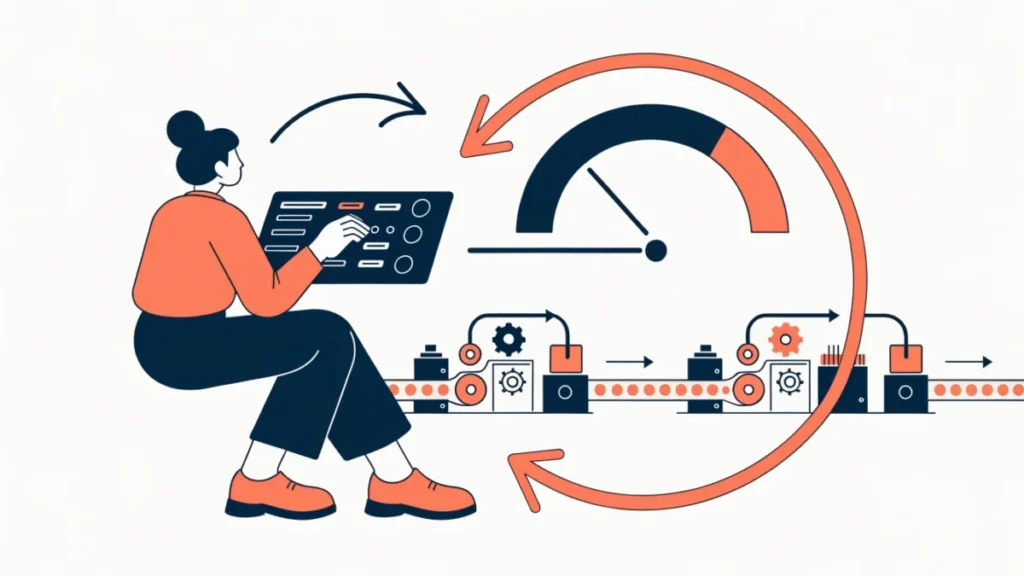
Set objectives, decide what matters, assign responsibility, build checks and standards: the elements that make management control work.

The manager’s ability, time for supervision, nature of the work, company plans, staff skills and control techniques: how many people one boss can lead.

Maslow, Herzberg, McGregor, Alderfer and McClelland, plus the process theories: how each explains what drives people at work, with examples.

Theory X assumes people avoid work and need control, Theory Y assumes they seek responsibility. What each means for managers and which to use when.

Hygiene factors stop dissatisfaction, motivators build real drive. How Herzberg’s theory works, how it compares with Maslow, and where it falls short.

Maslow’s levels of need from basic to self-actualisation, the key features of the theory and what it means for motivating people at work.