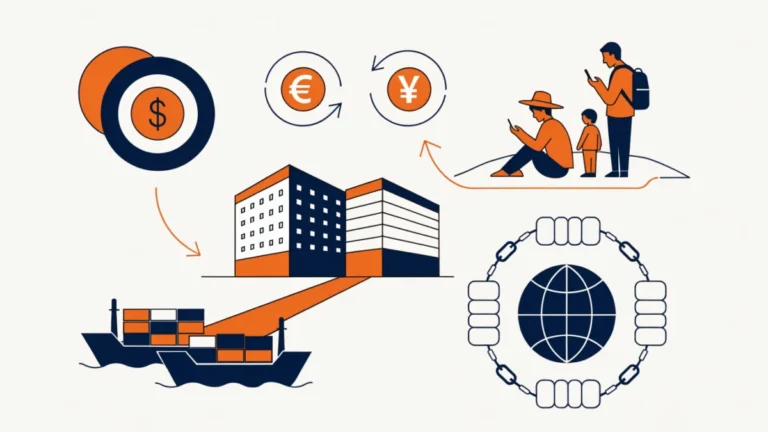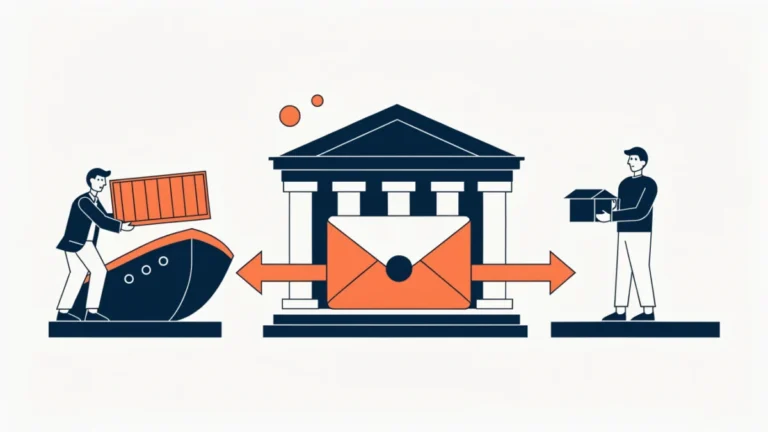
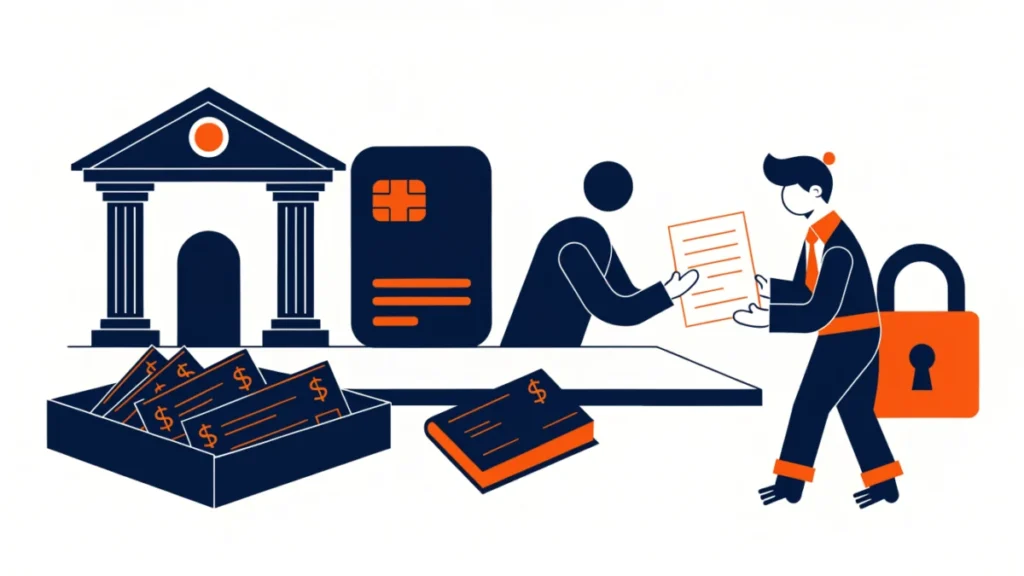
Advantages of commercial banks: safe, insured savings, interest income, business and household credit, payment services, mobilising savings, delivering government schemes, trade services, transmitting monetary policy and financial inclusion. Disadvantages: strict lending conditions, bad loans, risk of failure, fees, urban bias, fraud and cyber risk, low real returns and amplifying economic cycles.
Commercial banks take deposits from the public and lend that money to businesses and households. In India they range from the State Bank of India and HDFC Bank to small finance banks and foreign banks, all regulated by the Reserve Bank of India. Over the past decade they have opened more than 55 crore basic Jan Dhan accounts, brought bad loans down from a peak of over 11% in 2018 to about 2.3% in March 2025, and still faced high-profile failures like Yes Bank (2020).
Here are the main advantages and disadvantages of commercial banks, for customers, businesses and the economy.
Advantages of Commercial Banks
1. Safe Place for Savings
Deposits are regulated by the RBI and insured by DICGC up to ₹5 lakh per depositor per bank.
2. Interest on Deposits
Savings and fixed deposits earn a return, unlike cash at home.
3. Credit for Business
Working capital, term loans, cash credit and overdrafts fund trade and industry.
4. Loans for Households
Home, vehicle, education and personal loans let people buy now and pay over time.
5. Payment Services
UPI, NEFT, RTGS, cheques and cards make payments fast and traceable.
6. Mobilise Savings
Banks pool small savings from millions of depositors into productive investment.
7. Support Government Schemes
Banks deliver subsidies, pensions and direct benefit transfers into accounts.
8. Foreign Exchange and Trade Services
Letters of credit, export finance and forex services support international trade.
9. Help Monetary Policy Work
RBI rate changes reach the economy through bank lending rates.
10. Financial Inclusion
Branches, business correspondents and digital banking reach people who once relied on moneylenders.
Disadvantages of Commercial Banks
1. Strict Lending Conditions
Collateral, credit scores and paperwork shut out many small businesses and first-time borrowers.
2. Bad Loans
Poor lending decisions lead to non-performing assets that weaken banks and need public money to fix.
3. Risk of Bank Failure
PMC Bank (2019) and Yes Bank (2020) showed depositors can face withdrawal limits when a bank runs into trouble.
4. Fees and Charges
Minimum balance penalties, card fees and transaction charges add up.
5. Urban Bias
Credit still flows more easily to cities and large firms than to villages and micro enterprises.
6. Fraud and Cyber Risk
Digital banking brings phishing, UPI fraud and data breaches.
7. Low Real Returns
When inflation is higher than deposit rates, savings lose value.
8. Can Amplify Booms and Busts
Lending too freely in good times and too little in bad times can deepen economic cycles.
Main Types of Credit Offered
| Facility | Used for |
|---|---|
| Cash credit and overdraft | Day-to-day working capital |
| Term loan | Buying machinery, buildings |
| Bill discounting | Getting cash against sales bills |
| Letter of credit | Guaranteeing payment in trade |
| Retail loans | Homes, vehicles, education, personal needs |
Related: principles of sound lending and core banking solutions.