Environment

Unlike traditional carbon credits, the Green Credit Programme covers a wide range of activities, including sustainable agriculture, forestry, water conservation, air pollution reduction, waste management, as well as sustainable building and infrastructure, and eco-labelling initiatives.

Guide leading hikers along a mountain trail

17 Key Benefits of Starting a Hiking and Trekking Business

Quick answer: A hiking and trekking business lets you turn a love of the outdoors into income with fairly low start-up costs, a flexible schedule, a varied client base, a healthy and active working life and a strong role in supporting local communities and conservation. Adventure travel is a growing market, and repeat customers and

17 Key Benefits of Starting a Hiking and Trekking Business Read More »

Local guide welcoming travellers outside a homestay

17 Key Benefits of Starting a Small Tourism Business

Quick answer: A small tourism business, such as homestays, guided tours, adventure activities or local experiences, lets you turn a passion for travel and your region into income, often with low start-up costs. It offers creative freedom, flexible work, a varied international clientele, repeat and referral business, and the chance to support local jobs, culture

17 Key Benefits of Starting a Small Tourism Business Read More »

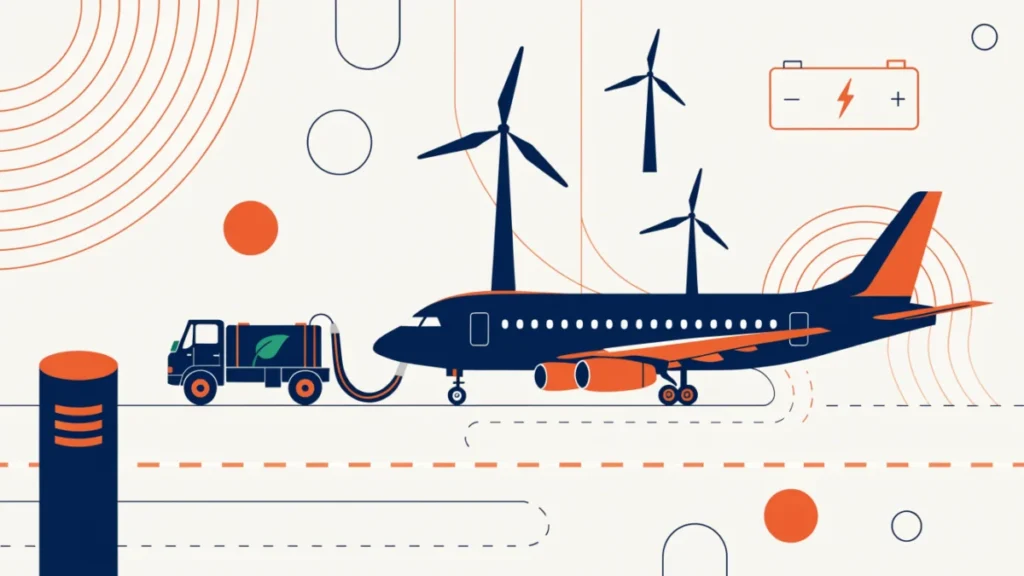
Passenger jet refuelling with sustainable fuel beside hydrogen, battery and wind power icons

21 Major Challenges of the Sustainable Aviation Industry (Explained)

Quick answer: Sustainable aviation is held back mainly by scale and cost. Aviation produces about 2.5% of global CO2, but sustainable aviation fuel (SAF) is still under 1% of jet fuel and costs several times more. Electric and hydrogen aircraft are limited by battery weight and new infrastructure, while noise, air traffic efficiency, policy, investment,

21 Major Challenges of the Sustainable Aviation Industry (Explained) Read More »

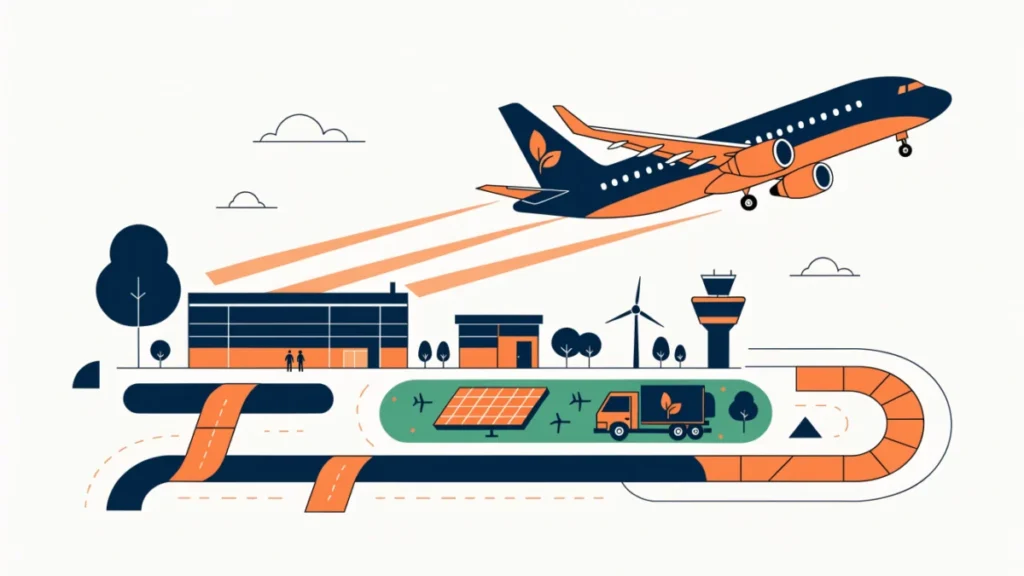
Efficient airliner leaving a green airport with solar panels and biofuel truck, illustrating eco-friendly aviation

23 Benefits of Eco-Friendly Aviation Practices: Explained

Quick answer: Eco-friendly aviation cuts carbon emissions, noise and air pollution through more efficient aircraft and engines, sustainable aviation fuels, better air traffic management and greener airports. Airlines benefit from lower fuel and maintenance costs, incentives and easier regulatory compliance, while passengers, communities and the travel industry gain from cleaner, quieter and more sustainable flying.

23 Benefits of Eco-Friendly Aviation Practices: Explained Read More »

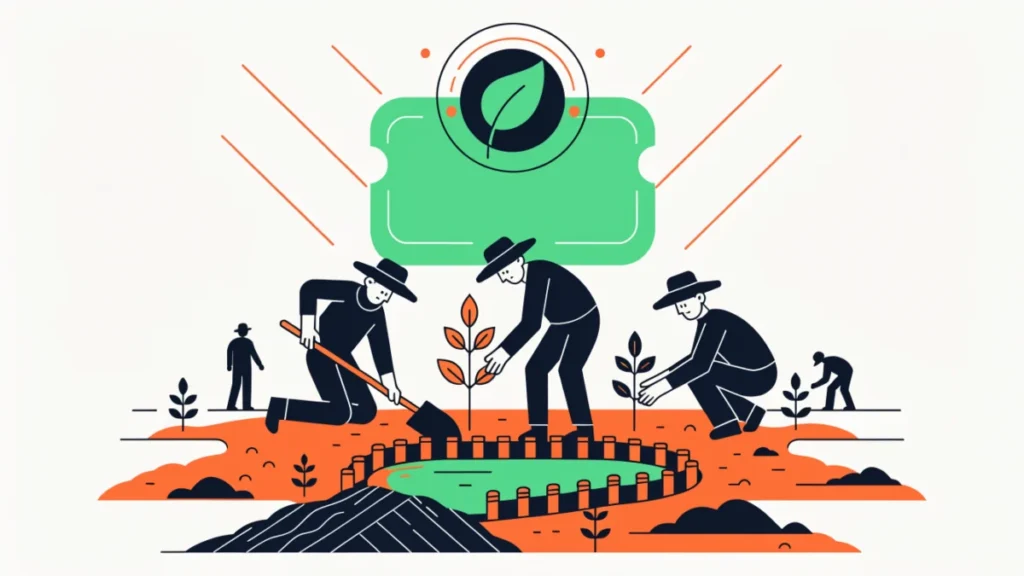
Villagers planting saplings and building a pond for green credits

15 Benefits of the Green Credit Initiative: Way to a Sustainable Future

Quick answer: India’s Green Credit Programme, notified in October 2023 under the Environment (Protection) Act and promoted globally as the Green Credit Initiative at COP28, rewards individuals, companies and communities with tradable green credits for verified environmental actions, starting with tree plantation on degraded land and water conservation. Its benefits include restoring ecosystems and biodiversity,

15 Benefits of the Green Credit Initiative: Way to a Sustainable Future Read More »

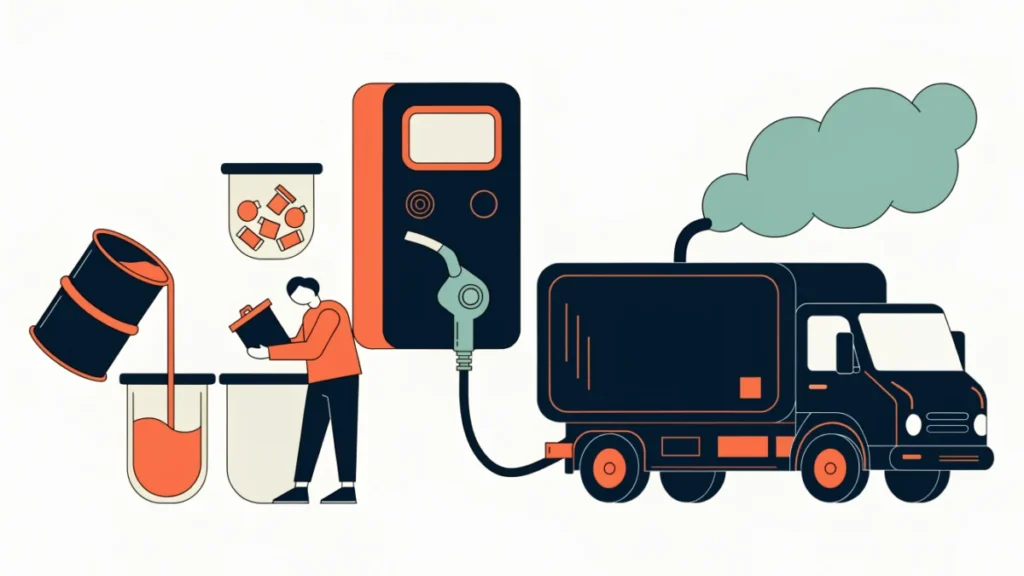
Truck refuelling with biodiesel made from recycled cooking oil

13 Remarkable Benefits of Biodiesel for the Environment

Quick answer: Biodiesel, made from vegetable oils, used cooking oil or animal fats, can cut lifecycle greenhouse gas emissions and tailpipe particulates, carbon monoxide and sulphur compared with fossil diesel. It is biodegradable and less toxic if spilled, reduces dependence on imported oil, turns waste oil into fuel and lubricates engines well. The benefits are

13 Remarkable Benefits of Biodiesel for the Environment Read More »

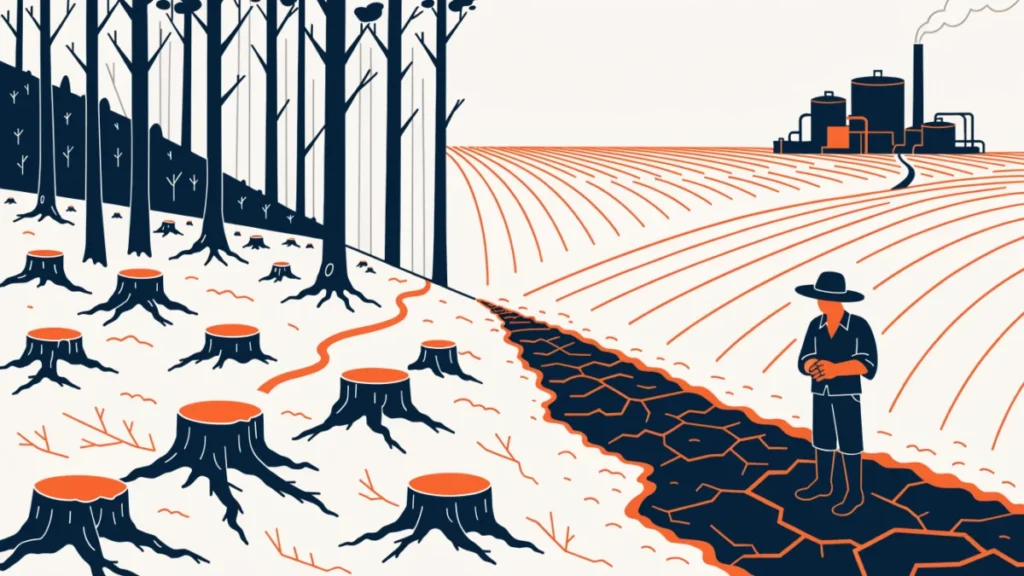
Cleared forest turning into monoculture crops feeding a biofuel plant

16 Negative Effects of Biofuels on the Environment

Quick answer: Biofuels can harm the environment when crops are grown on cleared forests or grassland: this causes deforestation, habitat loss and direct and indirect land-use change emissions that can cancel out climate benefits. Large monocultures also degrade and erode soil, pollute water with fertilisers, use scarce water, need energy-intensive processing, compete with food crops

16 Negative Effects of Biofuels on the Environment Read More »

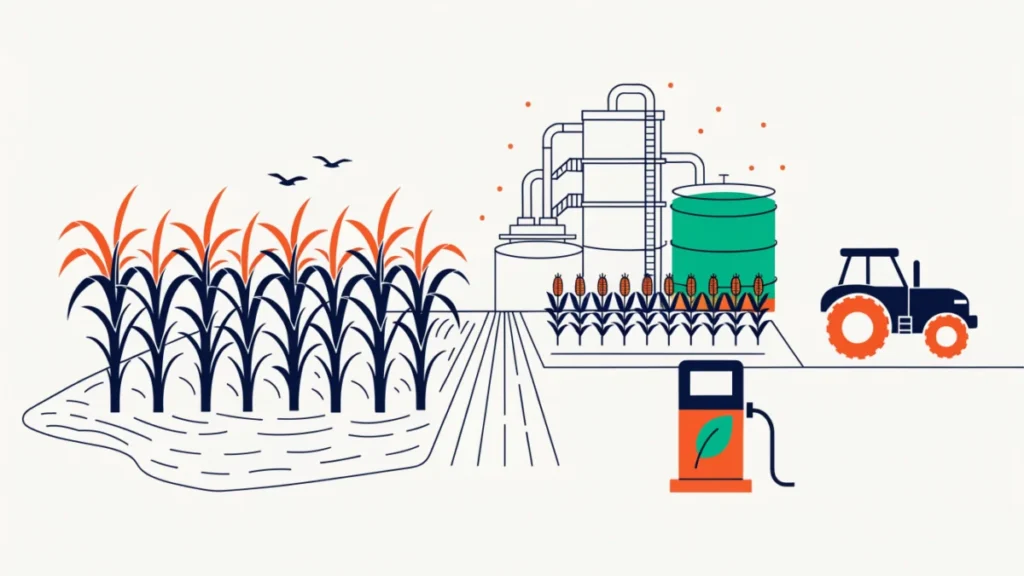
Crop fields feeding a biofuel refinery and a green fuel pump

21 Critical Factors Affecting Biofuels

Quick answer: Biofuel success depends on feedstock supply and yields, land and water use and competition with food crops, the energy balance and real carbon savings (including land-use change), technology and R&D, government policy such as blending mandates, infrastructure and vehicle compatibility, cost and investment, trade, public perception and competition from electric vehicles. India, for

21 Critical Factors Affecting Biofuels Read More »

Fuel containers in front of sugarcane, algae ponds and a biogas dome

17 Different Types of Biofuels and Their Uses (Explained)

Quick answer: The main biofuels are liquid fuels such as ethanol, biodiesel, methanol, butanol and renewable fuels from algae or waste cooking oil, and gaseous fuels such as biogas, bio-CNG, synthetic natural gas, syngas and biohydrogen. Solid biofuels include wood pellets, and common feedstocks are sugarcane, corn, soybean, palm, jatropha, camelina, switchgrass and municipal solid

17 Different Types of Biofuels and Their Uses (Explained) Read More »

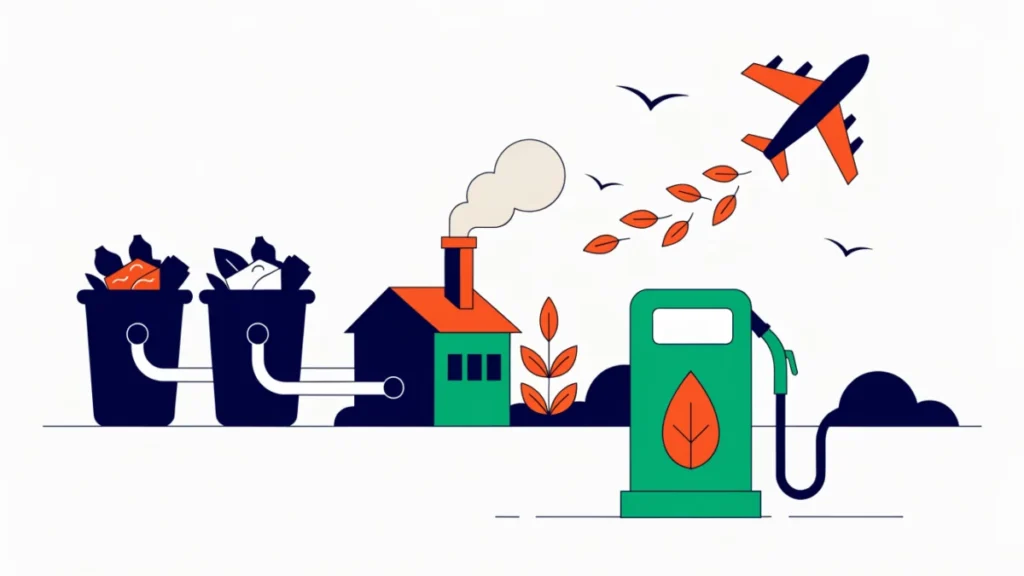
Green fuel pump, waste-fed biorefinery and a plane with a leaf trail

13 Major Environmental Benefits of Biofuels (Explained)

Quick answer: When made from the right feedstocks, biofuels can cut greenhouse gas emissions compared with petrol and diesel, reduce dependence on fossil fuels, improve air quality, turn agricultural and municipal waste into energy, restore degraded land, store carbon in soils, reduce acid rain and oil spill risks and cut water pollution, and they make

13 Major Environmental Benefits of Biofuels (Explained) Read More »