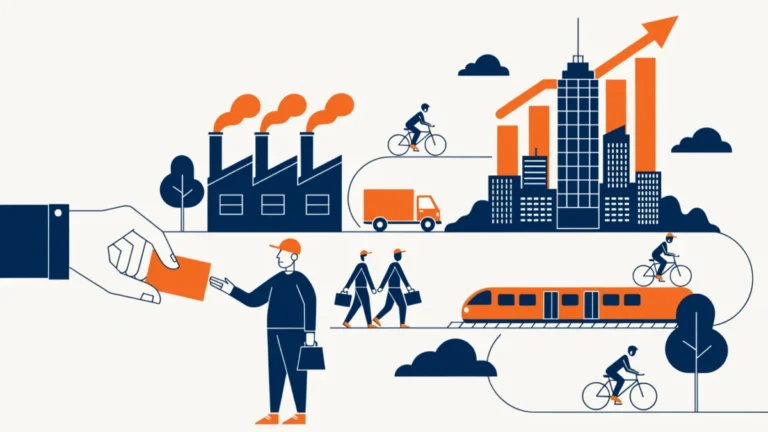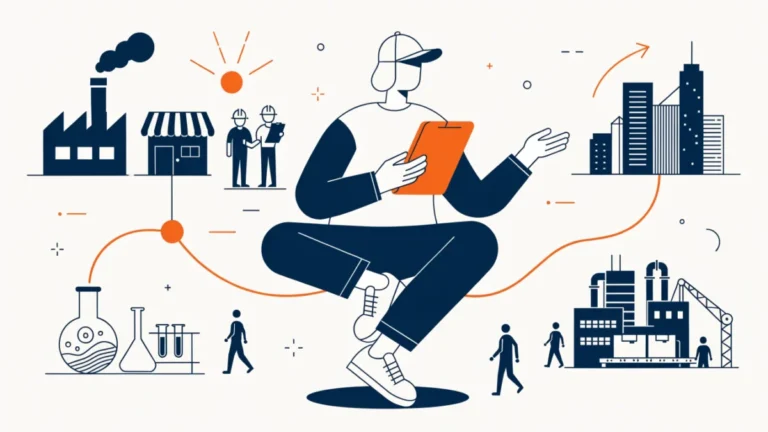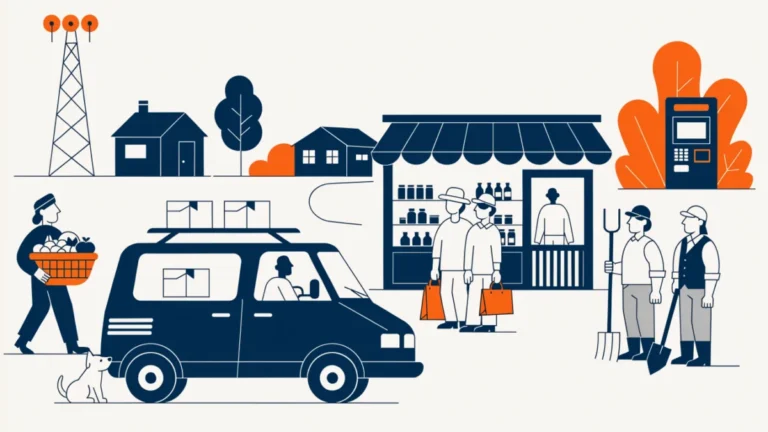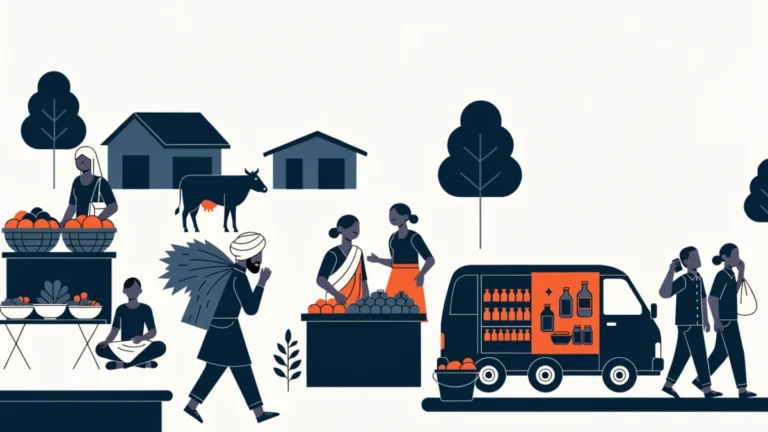
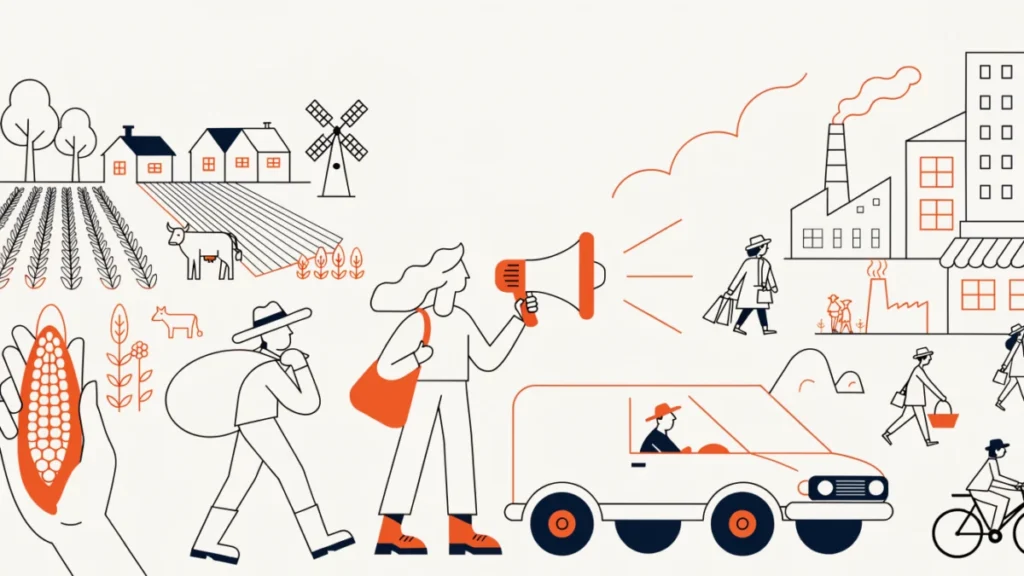
In a developing economy, marketing turns production into sales, creates jobs, raises living standards, opens rural markets, expands markets for farm products, encourages investment, supports small enterprises, speeds up adoption of new products, lowers distribution costs, informs consumers, helps exports and guides business planning. Peter Drucker called marketing the multiplier of development.
In 1958, Peter Drucker wrote that marketing is “the multiplier” of economic development. Factories can produce goods, but unless someone gets them to buyers who want them, at a price they can pay, production stalls. In a developing economy, where markets are scattered, incomes are low and roads and shops are thin on the ground, that job matters even more.
India shows how. In the 1980s, CavinKare sold Chik shampoo in sachets for a rupee or two, and a product once bought only by city households reached villages. That was a marketing decision, not a manufacturing one, and the sachet became the standard way to sell FMCG goods to low-income buyers. Here are 12 ways marketing drives development.
12 Roles of Marketing in a Developing Economy
1. Turns Production Into Sales
Without distribution, pricing and promotion, factories cannot sell what they make, and investment stops.
2. Creates Jobs
Sales, distribution, retail, advertising, logistics and market research employ millions, often more than manufacturing itself.
3. Raises Living Standards
Marketing brings a wider range of affordable products, from packaged food to phones, to more people.
4. Opens Rural Markets
Small packs, low price points and rural distribution networks reach villages. Hindustan Unilever’s Project Shakti, started in 2001, trained rural women as distributors and created incomes at the same time.
5. Expands the Market for Farm Products
Branding and organised marketing raise farmers’ earnings. Amul built a national dairy brand that returns a large share of the consumer price to farmer members.
6. Encourages Investment
A proven market gives companies the confidence to build plants and expand capacity.
7. Supports Small Enterprises
E-commerce marketplaces and government platforms like GeM let small firms sell far beyond their town.
8. Speeds Up Adoption of New Products
Promotion and demonstration help new goods, from improved seeds to digital payments, spread faster.
9. Lowers Distribution Costs
Efficient channels and logistics reduce the cost of getting goods to buyers, which lowers prices.
10. Informs Consumers
Advertising, labels and comparisons help buyers make better choices.
11. Helps Exports
Branding and market research help firms sell abroad and earn foreign exchange. See reasons for going international.
12. Guides Business Planning
Market research tells firms what to produce and how much, reducing wasted resources.
Marketing Then and Now in India
| Era | Market condition | Marketing focus |
|---|---|---|
| Before 1991 | Seller’s market, licences, shortages | Little need to market; waiting lists for scooters and phones |
| 1991 to 2010 | Opening up, new brands, competition | Brand building, TV advertising, rural reach |
| 2010 onwards | Digital, UPI, e-commerce | Data-driven, direct-to-consumer, quick commerce |
For the basics, see the functions of marketing and nature and scope of marketing. For rural strategy, read the importance of rural marketing.