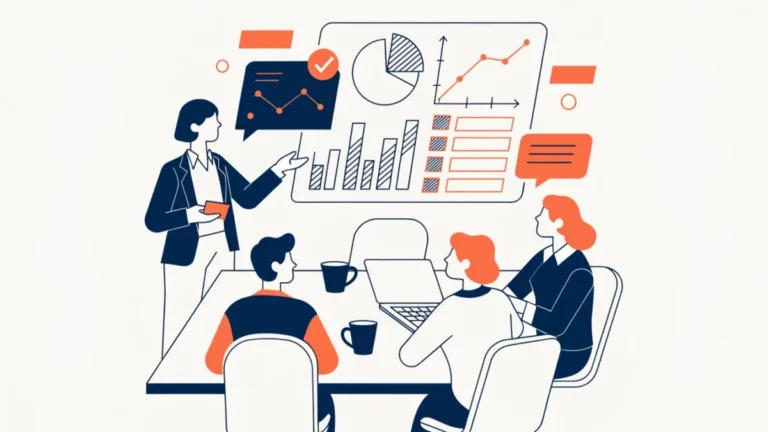

Accounting is needed to record every transaction systematically, work out profit or loss, show the financial position, meet legal requirements under company and tax law, file tax and GST returns correctly, get loans, make better decisions, control the business, inform investors and other stakeholders, analyse variances between budget and actual results, and control costs.
Imagine running a small shop for a year without writing anything down. You would not know whether you made a profit, how much your customers owe you, what you owe your suppliers or how much tax to pay. Accounting exists to answer exactly those questions.
Accounting is the process of recording, classifying and summarising financial transactions and then reporting what they mean. Below are the 11 main reasons every business, from a kirana store to a listed company, needs it, with a simple example for each.
11 Important Needs of Accounting
1. Systematic Recording of Transactions
Nobody can remember hundreds of sales, purchases and payments. Accounting records each one in order, with a date, amount and supporting document, so nothing is lost or counted twice. Example: a trader who sells on credit to 40 customers needs a ledger to know exactly who owes what.
2. Working Out Profit or Loss
The profit and loss account compares income with expenses for a period and tells you whether the business is actually making money. Many owners feel busy and assume they are profitable; the accounts often show otherwise.
3. Showing the Financial Position
The balance sheet shows what the business owns (assets) and owes (liabilities) on a given date, and what is left for the owners. Lenders and investors look at it first. See our guide to the balance sheet format.
4. Meeting Legal Requirements
The law requires proper books. Indian companies must keep books of account under the Companies Act, 2013, GST-registered businesses must keep records of supplies and tax paid, and income tax law requires books and, above set turnover limits, a tax audit. Missing records can mean penalties and lost tax credits.
5. Filing Tax Returns Correctly
Accurate accounts make it possible to calculate income tax and GST correctly, claim input tax credit and answer tax notices with evidence instead of estimates.
6. Getting Loans and Credit
Banks and NBFCs ask for financial statements before lending. A business with clean, audited accounts gets loans faster and often at better rates than one that shows a shoebox of receipts.
7. Better Decisions
Should you add a product line, hire staff or open a second branch? Accounting data on margins, costs and cash flow turns these choices from guesses into calculated decisions.
8. Control Over the Business
Comparing actual figures with budgets each month shows where money is leaking: rising expenses, slow-paying customers or excess stock. Regular reconciliation also catches errors and fraud early.
9. Information for Stakeholders
Owners, investors, employees, suppliers and the government all rely on financial statements. Listed companies must publish them so shareholders can judge how management is performing.
10. Variance Analysis
Variance analysis compares planned costs and revenues with actual results and explains the gap. If raw material costs are 12% over budget, the accounts show whether price, quantity or waste caused it.
11. Cost Control
Cost accounting breaks costs down by product, department or activity, so you can see which parts of the business eat money and which earn it, and fix the expensive ones.
Who Uses Accounting Information?
| User | What they want to know |
|---|---|
| Owners and investors | Profit, return on investment, growth |
| Managers | Costs, margins, budgets, cash flow |
| Banks and lenders | Ability to repay, security |
| Tax authorities | Correct income and GST liability |
| Suppliers | Whether the business pays on time |
| Employees | Job security and pay prospects |
Small businesses today rarely need to keep paper ledgers. Accounting software such as Tally, Zoho Books or QuickBooks records transactions, files GST returns and produces statements automatically, but the principles above stay the same. For the full picture, read about the objectives of financial statements.