The main negative effects of globalization are tougher competition for domestic firms, pressure on small and cottage industries, rising import dependence (India’s trade deficit with China was about US$99 billion in 2024-25), wider inequality, job losses in some sectors, worker exploitation, faster spread of economic crises, supply chain shocks, environmental damage, risks to farmers, brain drain, loss of cultural identity, concentration of market power, reduced policy freedom and rising consumerism.
Globalization has made India richer in many ways. It brought foreign investment, cheaper electronics, a giant IT services industry and millions of jobs. But it has a cost side too, and that side tends to land on people with the least power to absorb it: small manufacturers, farmers and low-wage workers.
This article covers 15 negative effects, each with a real example. If you want the full picture, read it alongside our list of the positive effects of globalization.
15 Negative Effects of Globalization
1. Tougher Competition for Domestic Firms
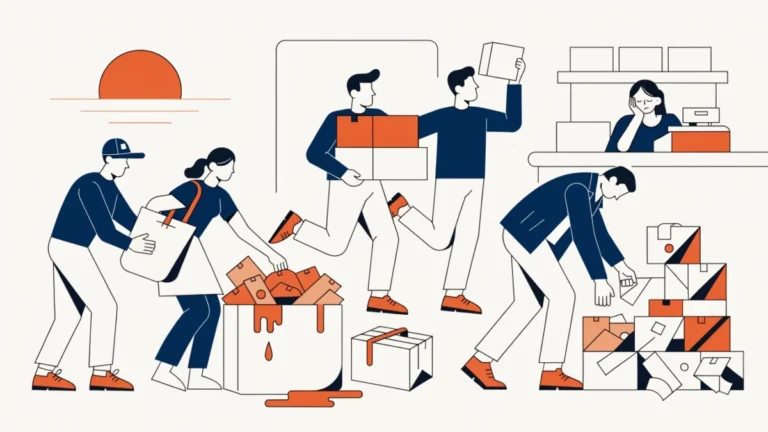
When trade barriers fall, local companies must compete with global giants that have bigger budgets and lower costs. Indian toy makers struggled for years against cheap imports, which pushed the government to raise customs duty on toys from 20% to 60% in 2020 and impose quality standards.
2. Pressure on Small and Cottage Industries
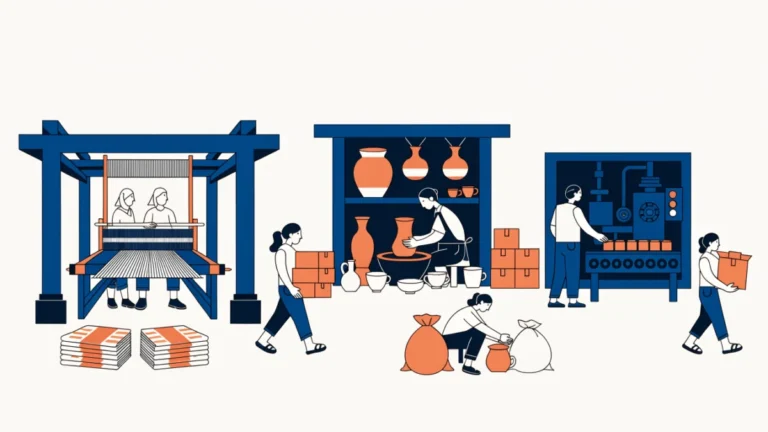
Handloom weavers, small potteries and local food producers often cannot match the price and marketing power of mass-produced imports or big brands. Many have closed or moved into low-paid contract work.
3. Rising Import Dependence
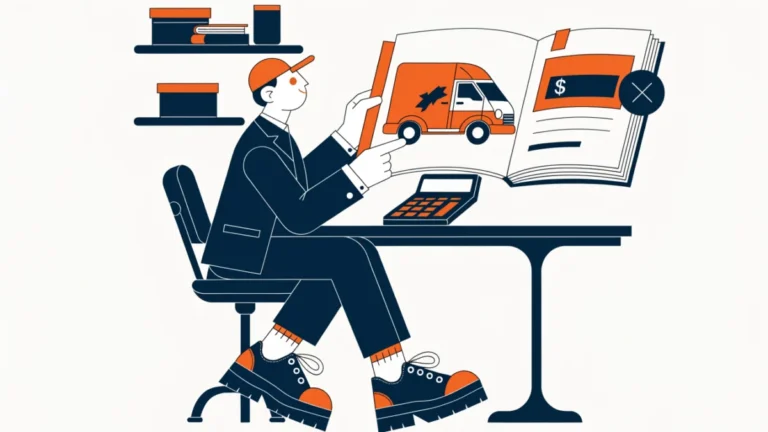
Globalization can leave a country dependent on one supplier for critical goods. India’s trade deficit with China reached about US$99 billion in 2024-25, with heavy dependence on Chinese electronics components, solar panels and pharmaceutical ingredients.
4. Wider Inequality
The gains of open markets go mainly to people with capital and skills. The World Inequality Lab estimated in 2024 that the top 1% in India held about 40% of the country’s wealth, among the highest shares in the world.
5. Job Losses in Some Sectors
Jobs move to wherever production is cheapest. Factories close in one place and open in another, and workers with specific skills or in older industries often cannot easily switch to new jobs.
6. Exploitation of Workers
To win global orders, some suppliers cut corners on wages and safety. The 2013 Rana Plaza factory collapse in Bangladesh, which killed more than 1,100 garment workers making clothes for international brands, became the defining example.
7. Spread of Economic Crises
When economies are closely linked, a crisis in one spreads to others. The 2008 global financial crisis began in the US housing market and hit exports and jobs in India within months.
8. Supply Chain Shocks
Long global supply chains break easily. During COVID-19 in 2020-21, shortages of semiconductors and shipping containers halted car production and pushed up prices worldwide.
9. Environmental Damage
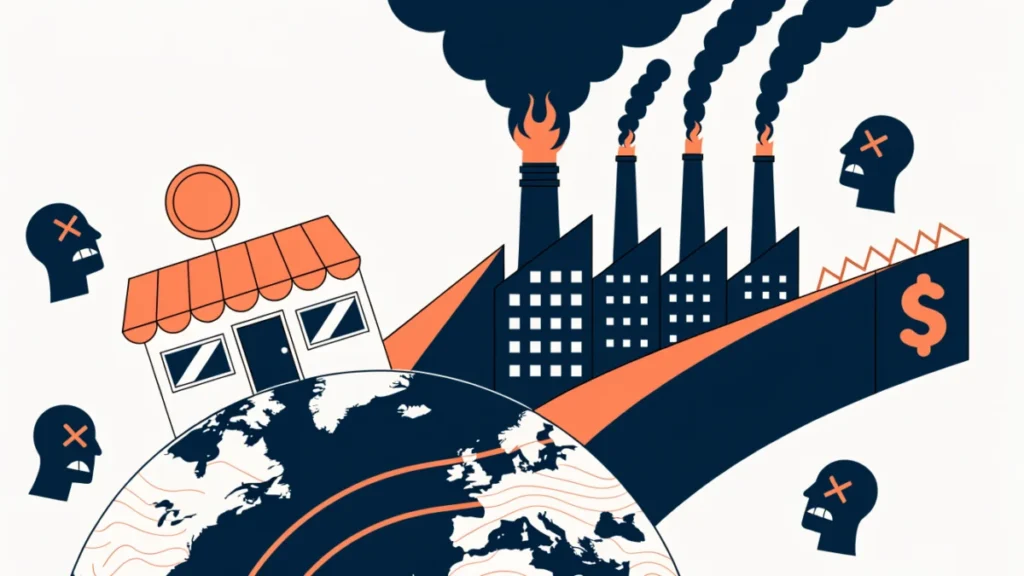
More trade means more shipping, flights and factory output. Polluting industries also tend to move to countries with weaker environmental rules, which some economists call the “pollution haven” effect.
10. Threat to Farmers
Farmers in developing countries compete with heavily subsidised farm produce from rich countries and face volatile global prices. Price crashes in global markets for crops like cotton or rubber hit Indian growers directly.
11. Brain Drain
Skilled doctors, engineers and researchers move abroad for better pay. India has the world’s largest diaspora, around 18 million people according to UN estimates, and the cost of educating those who leave is borne at home.
12. Loss of Cultural Identity
Global brands, films and food spread a more uniform culture. Local languages, crafts and traditions can lose ground, especially among young people.
13. Concentration of Market Power
Big multinational firms can dominate markets, buy up local competitors and influence prices. Several Indian brands have been acquired by global companies over the years.
14. Reduced Policy Freedom
Trade agreements and the need to keep foreign investors happy limit how freely a government can set tariffs, subsidies or taxes.
15. Rise of Consumerism and Debt
Global advertising and easy credit encourage spending on imported lifestyle goods, sometimes beyond what households can afford.
Who Loses Most From Globalization?
| Group | Main risk |
|---|---|
| Small manufacturers and artisans | Competition from cheap imports and big brands |
| Farmers | Global price swings and subsidised competition |
| Low-skilled workers | Job losses and poor working conditions |
| Import-dependent industries | Supply shocks and geopolitical risk |
| Local cultures | Loss of languages, crafts and traditions |
Can the Negative Effects Be Reduced?
Yes, at least partly. Governments use targeted import duties and quality standards, support for small industries, skill-training programmes, social safety nets, and policies to build domestic manufacturing, such as India’s production-linked incentive (PLI) schemes for electronics and solar equipment. The aim is not to shut out the world but to make sure the gains are shared more widely. For the business side of this debate, see why companies go international.