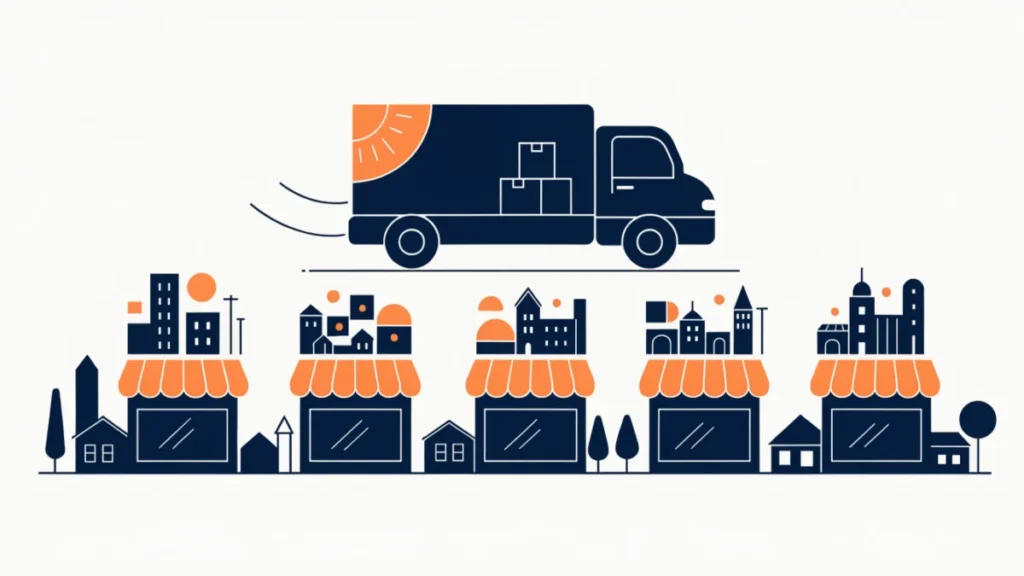
Advantages of chain stores: bulk buying, lower prices, shared advertising, spread of risk, fast stock turnover, no bad debts, standard quality and fixed prices, convenient locations and professional management. Disadvantages: large capital needs, no credit, little personal service, inflexibility, limited range and losses when demand shifts.
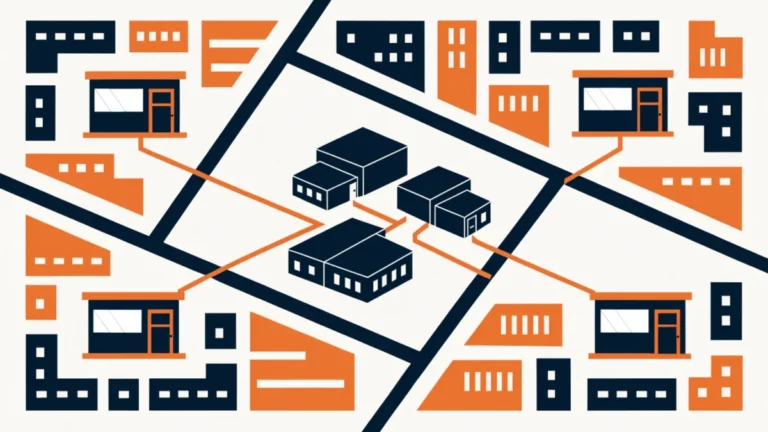
Bata has sold shoes in India through its own stores since the 1930s, with the same look, the same prices and the same stock in every outlet. That is a chain store, or multiple shop: one owner running many similar outlets in different places, buying centrally and selling at fixed prices. Today, chains range from DMart and Reliance Trends to pharmacy chains like Apollo.
Here are the main advantages and disadvantages. For what defines a chain store, see the characteristics of chain stores.
Advantages of Chain Stores
1. Bulk Buying
Central purchase in large quantities gets lower prices from manufacturers.
2. Lower Prices for Customers
Savings from bulk buying and efficient operations are often passed on.
3. Shared Advertising
One campaign promotes every store, cutting the advertising cost per outlet.
4. Spread of Risk
Losses at one store are balanced by profits at others.
5. Fast Stock Turnover
Stock moves between stores to where it sells best.
6. No Bad Debts
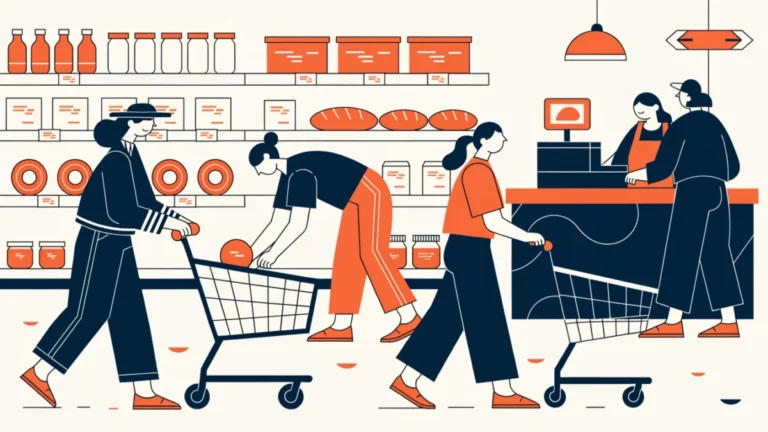
Sales are usually for cash, card or UPI.
7. Standard Quality and Fixed Prices
Customers know what to expect in any outlet.
8. Convenient Locations
Stores are placed close to customers in many neighbourhoods.
9. Professional Management
Central teams handle buying, pricing, merchandising and data.
Disadvantages of Chain Stores
10. Large Capital Needed
Opening and stocking many outlets requires heavy investment.
11. No Credit
Regular customers cannot buy on credit as they might at a local shop.
12. Little Personal Service
Staff follow central rules and may not know customers personally.
13. Inflexible
Branch managers have little freedom to adapt prices or stock to local tastes.
14. Limited Range
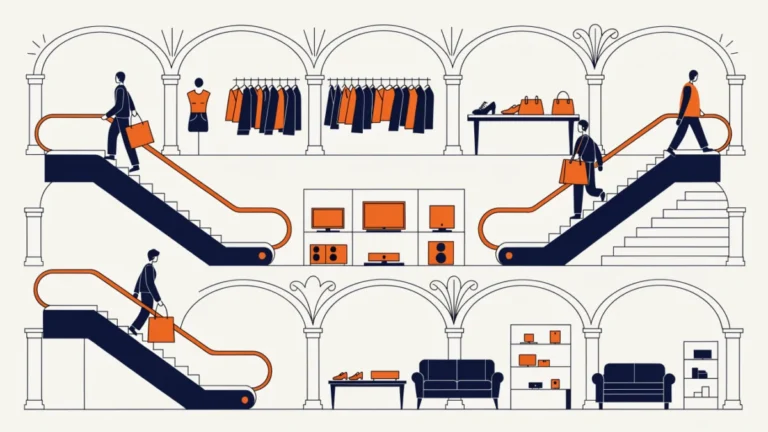
Chains often stock a narrow line of goods compared with department stores.
15. Losses When Demand Shifts
A change in fashion or demand can leave unsold stock across every store.
Chain Store vs Department Store
| Point | Chain store | Department store |
|---|---|---|
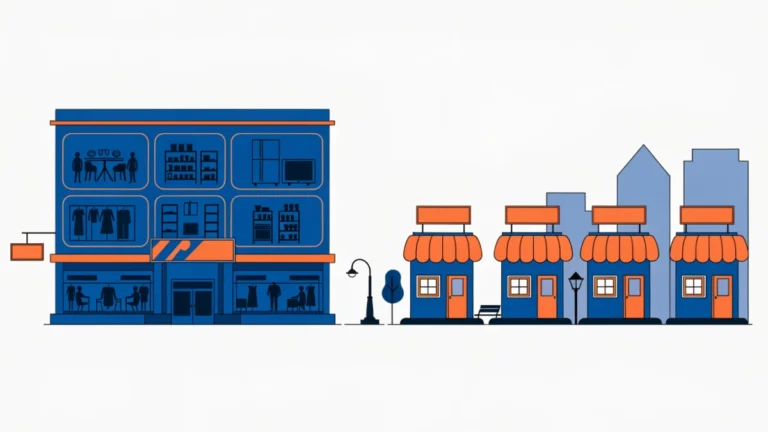
| Outlets | Many, in different locations | One large store, or a few |
| Range | Narrow, specialised | Very wide, many departments |
| Location | Near customers | Central shopping areas |
| Example | Bata, Apollo Pharmacy | Shoppers Stop, Lifestyle |
More: department store vs chain store.