
Start your business, wherever you are, the right way.
Choosing the wrong structure or missing a registration costs time and money later. We explain the options and steps in plain language, so you can set up with confidence.

Is this right for you?
- Founders deciding between a sole proprietorship, partnership, LLP or LLC, or a private company
- New businesses working out which tax registrations (VAT, GST or sales tax) and licences they need
- Founders deciding where to incorporate: at home, or in Delaware, the UK, Singapore or the UAE
How it works
What we cover together
Choosing a structure
Sole proprietorship, partnership, LLP or LLC, and private company (Ltd, C-corp or Pvt Ltd), compared on liability, tax, cost and funding.
Registration checklist
Company registration, tax IDs, VAT, GST or sales tax, local business licences and sector permits for your country.
Where to incorporate
When registering at home is enough, and when a US, UK, Singapore or UAE entity helps with investors or customers.
Accounts and compliance basics
Bank account, invoicing, bookkeeping and a compliance calendar for filings.
Schemes and funding routes
Government grants, startup schemes, tax incentives and accelerators in your country. See our startup resources.
Free guides on this topic

How to Find Product-Market Fit in Entrepreneurship
Why product-market fit matters, how to pin down your target market, build the right product, iterate on feedback, and tools…

How to Get Free Money to Start Your Business
Government grants, business competitions, crowdfunding, angel pitches, incubators and corporate sponsorships: ways to fund a startup without a loan.
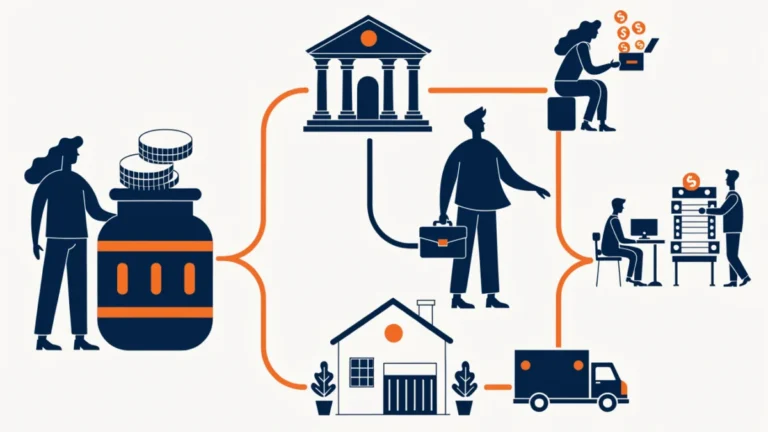
Sources of Capital for an Entrepreneurial Venture (Explained)
Where founders raise fixed capital for assets and working capital for day-to-day needs, from owners' funds and loans to investors…

15 Tips for Starting a Small Business With No Money
Pick the right moment, back yourself, build customer relationships, separate business accounts and keep costs low: how to start on…

15 Ways for Entrepreneurs to Find Investors and Raise Funds
Angel investors, VC firms, crowdfunding, peer-to-peer lending and more: where founders can raise money and how to match the source…

How to Comply With Indian Business Regulations (2026 Guide)
Choose a business structure, know the regulators, register, get permits and licences, and keep up with tax and labour rules:…
Do you register my company?
No. We guide you through the choices and steps. The filing itself should be done by you or a qualified accountant, company secretary or lawyer in your country.
Which structure is best for a startup?
It depends on your plans. Startups that plan to raise investment usually form a private company (a C-corp in the US, a Ltd in the UK, a Pvt Ltd in India). Small owner-run businesses often start as a sole proprietorship, LLP or LLC.
Should I incorporate in Delaware?
Only if you plan to raise from US investors or mainly sell in the US. Many founders outside the US do fine with a company in their home country. A US entity adds tax filings in two countries, so get advice from an accountant first.
When do I need to register for VAT, GST or sales tax?
Usually once your sales cross the threshold set by your country or state, or earlier if you sell across borders or online. Thresholds differ a lot: check your tax authority's website.
 Next step
Ready to talk about business setup guidance?
Tell us where you are and the Googlesir Team will reply with practical next steps.