
Find out if people will pay before you build.
Most startups that fail never had enough customers who wanted the product. We help you test demand quickly and cheaply, so you spend your savings on an idea the market has already said yes to.

Is this right for you?
- First-time founders with an idea and no product yet
- Students and professionals planning to quit a job to start up
- Small business owners testing a new product or market
How it works
What we cover together
Problem and customer definition
Pin down exactly who has the problem, how often, and what they use today.
Customer interview plan
A script and list for 20 to 30 interviews that give honest answers, not polite ones.
Market sizing
A realistic estimate of how many customers you can reach and what they would pay.
A cheap demand test
A landing page, pre-order, pilot or concierge test to prove people will commit.
Go, change or stop decision
A clear recommendation backed by what customers actually did.
Free guides on this topic

Identification of Business Opportunities: Objectives, Sources, Factors and Challenges
Where business ideas come from and what to check before you commit, from demand and competition to inputs, capital, skills…
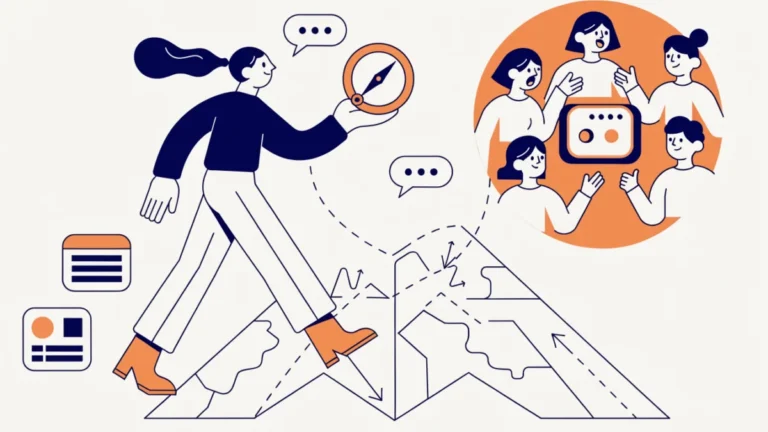
How to Find Product-Market Fit in Entrepreneurship
Why product-market fit matters, how to pin down your target market, build the right product, iterate on feedback, and tools…
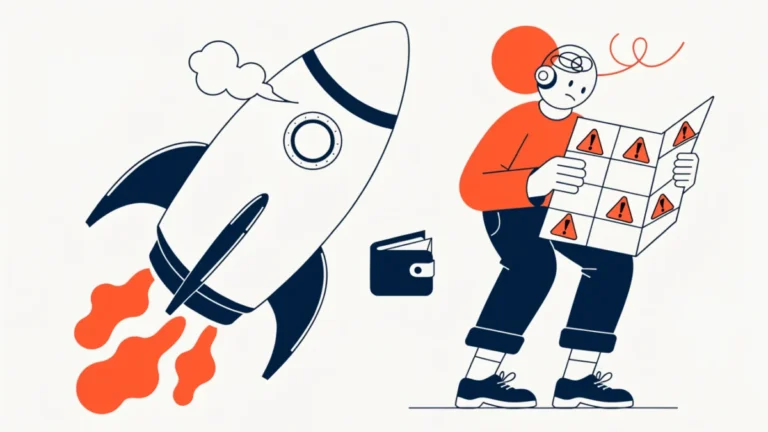
11 Biggest Reasons Why Startups Fail (How to Prevent It)
Weak planning, fear of failure, doing everything alone, chasing money over value, thin research and no marketing: why startups fail…

21 Importance of Market Research to an Entrepreneur
Research helps founders spot openings, understand customers, beat rivals, segment the market, set prices and build the right product.
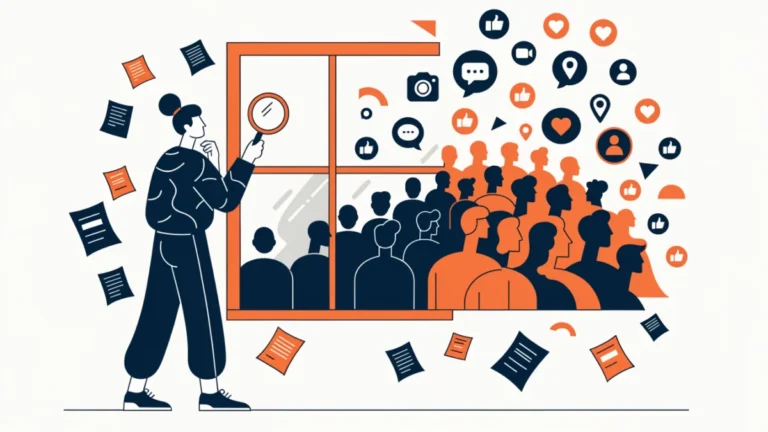
18 Challenges in Understanding Your Target Audience (With Solutions)
Thin data, shifting demographics, cultural diversity, tricky segmentation and multiple personas: why knowing your audience is hard, with solutions.
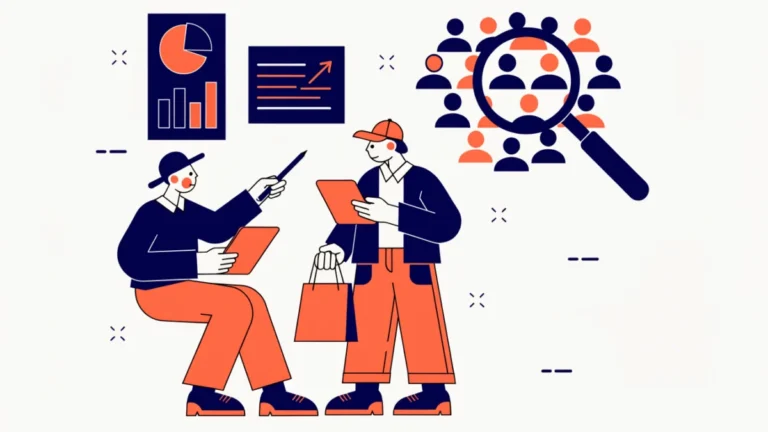
25 Advantages and Disadvantages of Market Research
Research cuts risk, shows what customers want and sharpens your edge, but it costs time and money and can mislead.…
How long does idea validation take?
A focused validation usually takes two to six weeks, depending on how easy your target customers are to reach.
Do I need a prototype first?
No. Most ideas can be tested with conversations, a simple landing page or a manual pilot before any product exists.
What if the test says no?
That is a good result. You save months and money, and the interviews usually point to a better version of the idea.
Is my idea kept confidential?
Yes. We use what you share only to help you, as described in our privacy policy.
 Next step
Ready to talk about startup idea validation?
Tell us where you are and the Googlesir Team will reply with practical next steps.