
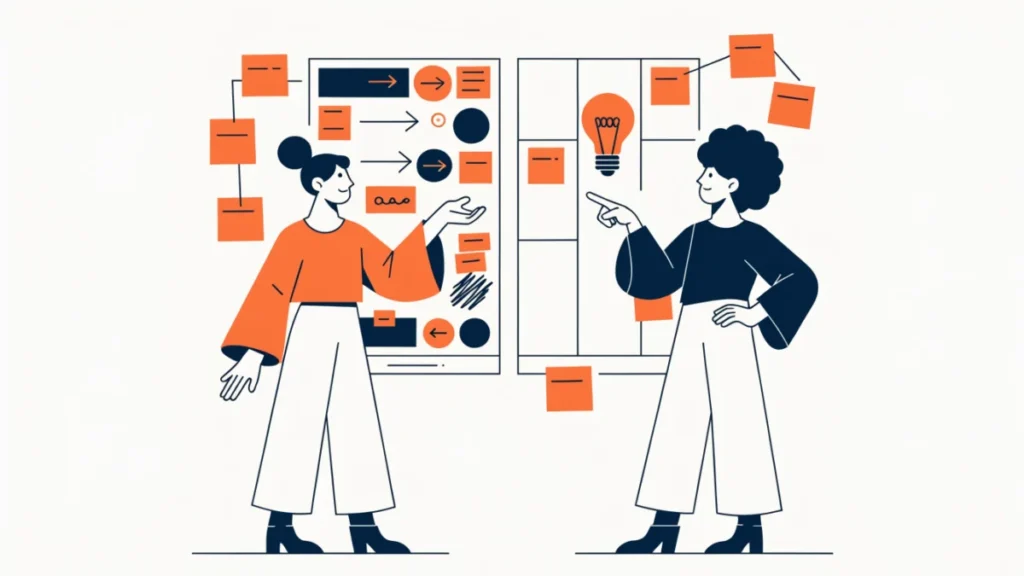
17 Key Differences Between Lean Canvas and Business Model Canvas
Where the two canvases come from, how they treat problems and customers, how many blocks each has and which one suits an early-stage startup.
Starting and running a business: ideas, theories, funding, challenges and the Indian startup ecosystem.
Where the two canvases come from, how they treat problems and customers, how many blocks each has and which one suits an early-stage startup.
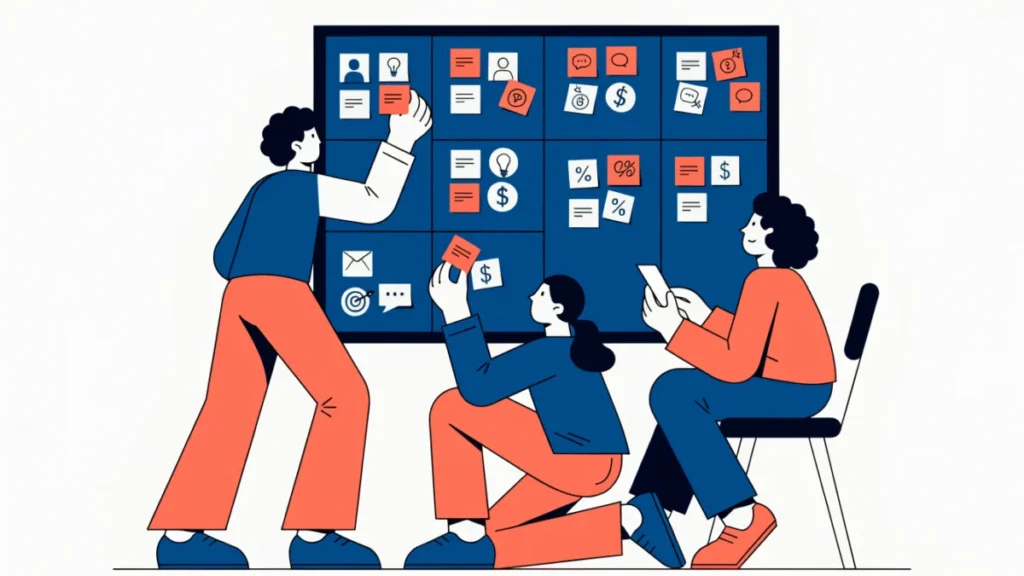
The canvas gives visual clarity, a sharp value proposition and a full map of your business, but it has gaps too. Pros and cons for founders.
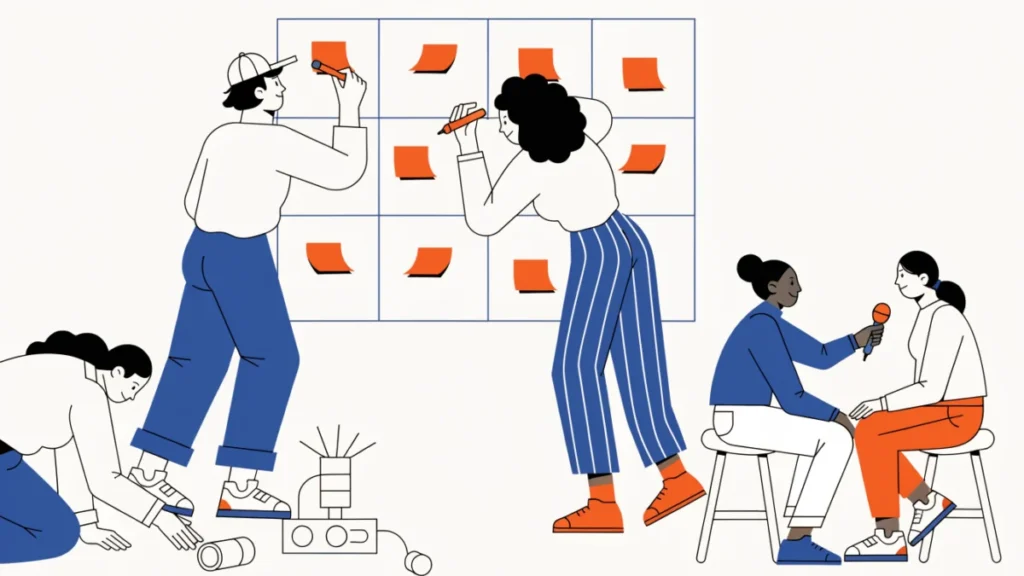
The lean canvas is simple, fast and focused on problems and customers, but it leaves gaps a full plan would fill. Its pros and cons for startups.
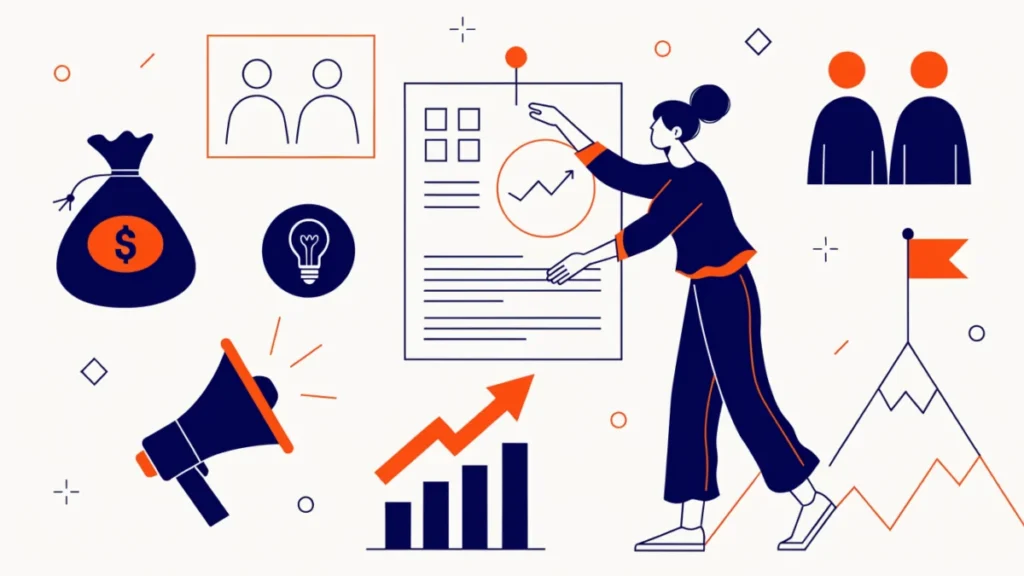
A business plan clarifies your vision, tests feasibility, helps raise funding, guides decisions and cuts risk. 20 benefits, with examples.
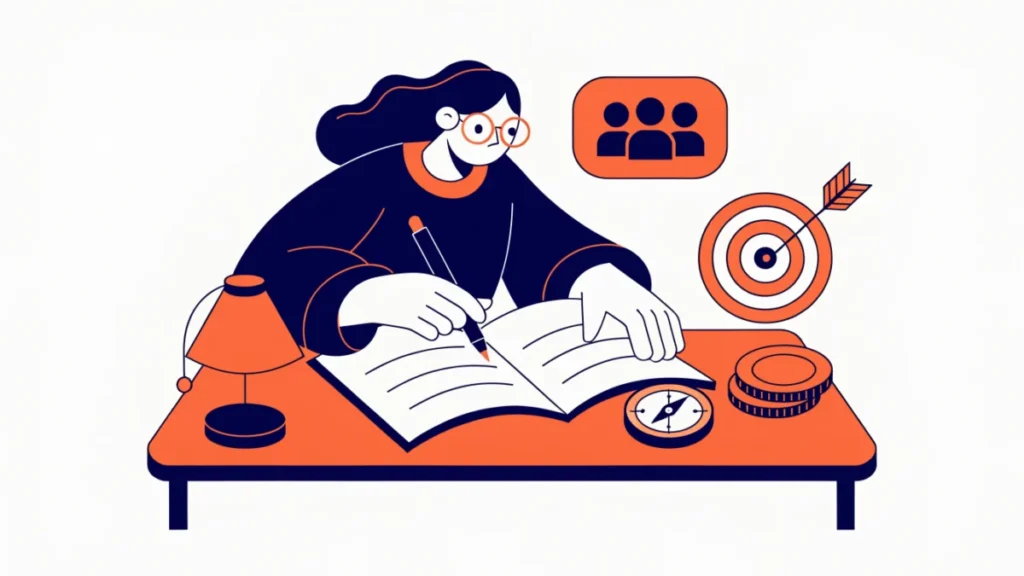
A business plan sets your strategy, helps raise funds, guides daily work, plans growth, aligns the team and prepares you for risk.
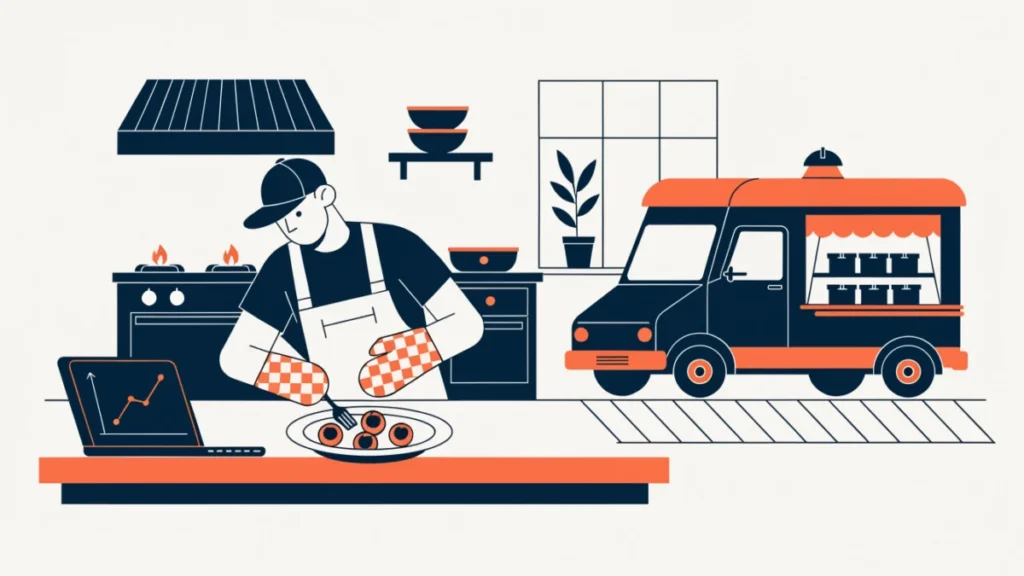
What it takes to turn cooking into a business: the principles behind culinary ventures, the rewards of creative freedom and the hurdles to expect.

Freelance writing, virtual assistance, tutoring, crafts, social media work, an online store, home baking and 55 more ideas you can start from home.
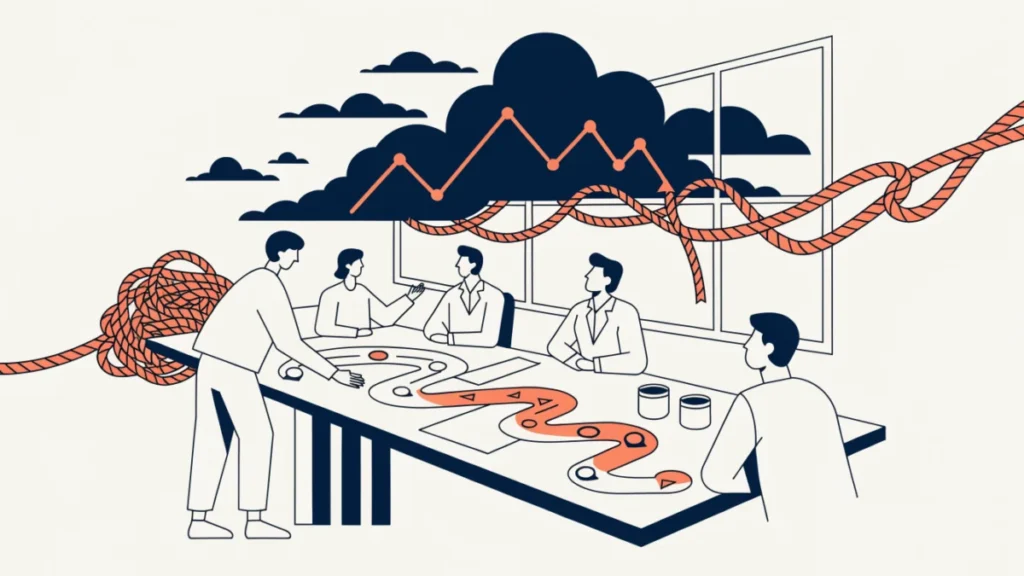
Uncertainty, competition, team alignment, data gaps, resource allocation and innovation: the planning problems businesses face, each with a fix.
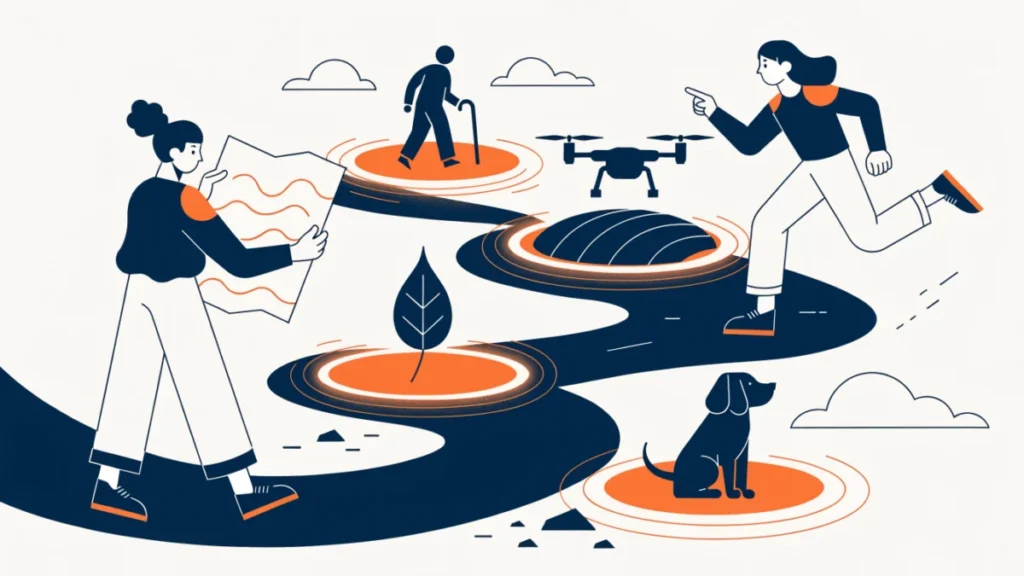
Wellness, eco-friendly goods, rural and underserved areas, personalised products, ethnic markets, remote-work tools and more: gaps founders can fill.
New markets, spread risk, more revenue, economies of scale and lessons from other cultures: why businesses expand across borders, reason by reason.