

15 Essential Features of Social Entrepreneurship (Explained)
A mission-driven approach, creativity, a sustainable model, partnerships, empowerment and measured impact: what sets social entrepreneurship apart.
Free, plain-English guides on entrepreneurship, marketing, accounting, economics, finance and management, with Indian examples and current data.
A mission-driven approach, creativity, a sustainable model, partnerships, empowerment and measured impact: what sets social entrepreneurship apart.

Internal, competitive, functional, generic, collaborative and more. What each type compares, when to use it, and the Xerox example that made it famous.

Cash incentives, recognition, employee-of-the-month awards, career growth, training, team rewards and wellness perks: how each one motivates staff.

Rewards motivate staff, recognise performance, raise engagement, keep top talent, improve job satisfaction and align people with company goals.

Points, tiers, paid memberships, cashback, punch cards and more. How each loyalty program works, a real brand example, and which fits your business.

Rational, intuitive, incremental, heuristic, group, consensus and more: the main ways decisions get made and how to pick the right one.
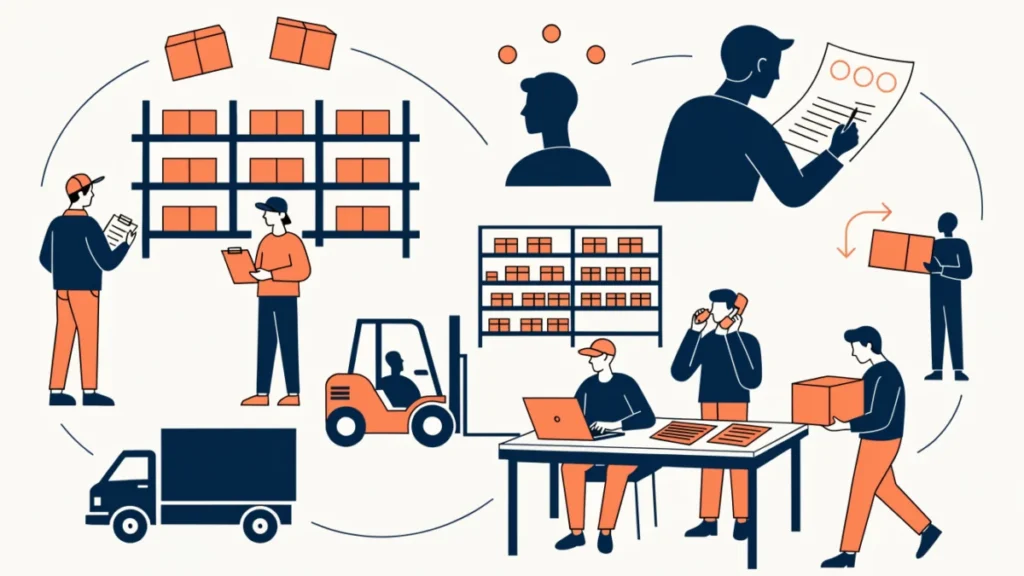
Planning, inventory, warehousing, order fulfilment, transport, freight forwarding and customs: what a logistics department handles end to end.

Less fresh produce, impulse buys, shelves full of processed food, limited local variety, packaging waste and sometimes higher prices: the downsides.

Convenience, a wide range, regular discounts, quality checks, fresh produce all year and ready-to-eat options: why shoppers stick with grocery stores.

From finding and selecting trainees to motivation training, management skills, field exposure, setting up the unit and follow-up: how an EDP runs.