

7 Supply Chain Drivers (With Examples and Trade-Offs)
Facilities, production, inventory, transport, information, sourcing and pricing: how each driver shifts the balance between cost and responsiveness.
Free, plain-English guides on entrepreneurship, marketing, accounting, economics, finance and management, with Indian examples and current data.
Facilities, production, inventory, transport, information, sourcing and pricing: how each driver shifts the balance between cost and responsiveness.

Choose the right documents, stamp, fill and execute them, complete legal formalities and keep them valid: how banks document a loan properly.

Creditworthiness checks, adequate security, fair interest, liquidity, profitability and diversification: the rules banks follow before lending.
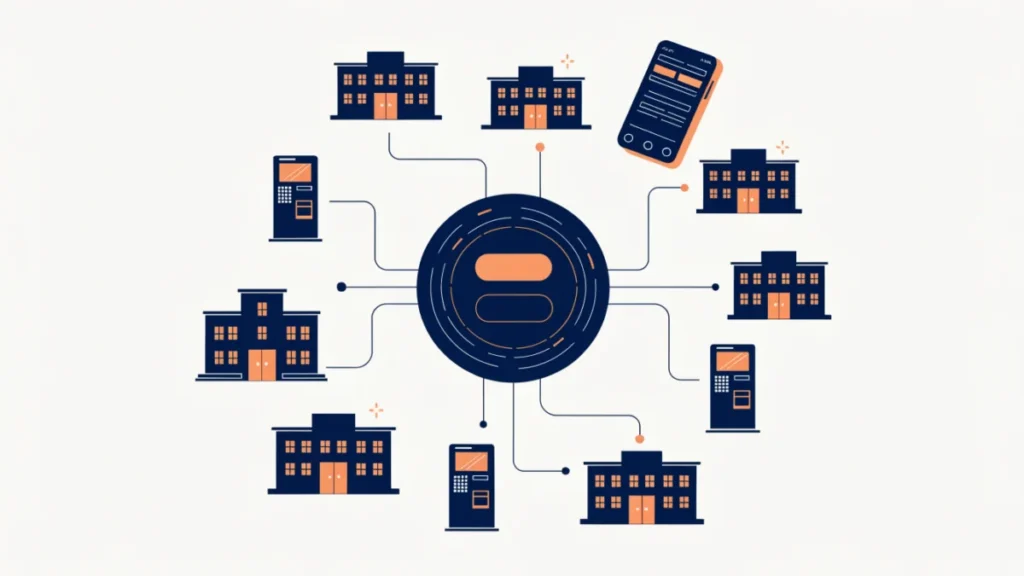
What CBS means in banking, how the core banking framework links branches, the services it supports and why it made anywhere-banking possible.

How a depository system helps investors, companies and brokers: no lost certificates, faster transfers, lower costs and simpler corporate actions.

Open a demat account, dematerialise shares, rematerialise when needed, receive dividends and close the account: how the depository process works.

Ratings give investors quick, low-cost, professional risk checks, but they have blind spots too. The pros and cons of credit rating explained.

From the rating request and analyst assignment to information gathering, site visits, the rating committee and publishing: how agencies rate a company.

Industry, market position, operating efficiency, project risk, protective factors and management quality: what rating agencies look at.

Ratings rest on information, weigh many factors, may come from several agencies, are monitored and published, and can be appealed.