
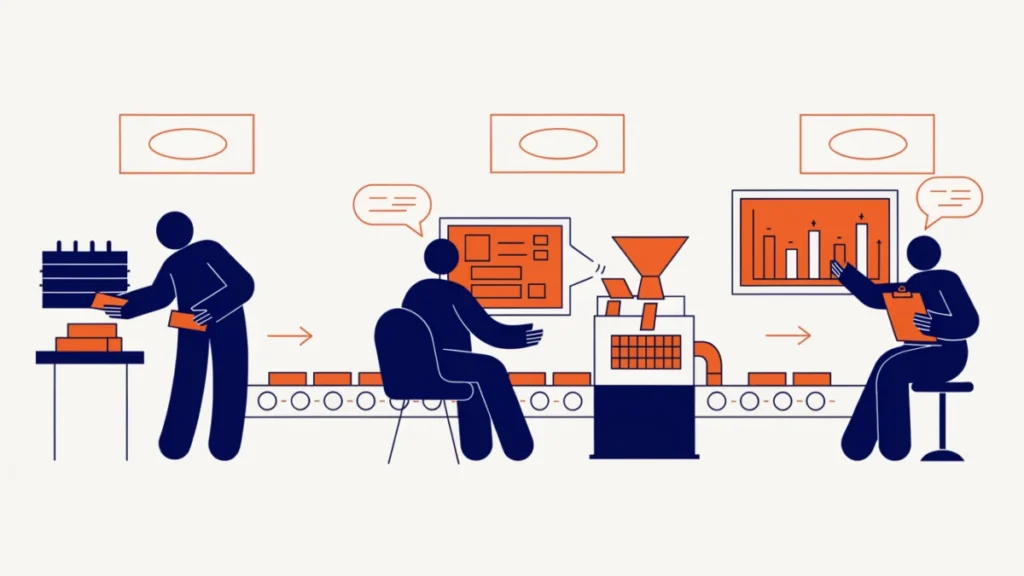
3 Major Types of Managerial Control (Explained)
Feedforward control prevents problems, concurrent control catches them as work happens, feedback control learns from results. How each type works.
Demand, costs, pricing, market structures and economic systems for better business decisions.
Feedforward control prevents problems, concurrent control catches them as work happens, feedback control learns from results. How each type works.

Set standards, measure results, compare, analyse the gap, correct it and feed it back into planning. The control process with a worked example.

Changes in managers and staff and weak systems inside, political forces and market conditions outside: the 7 forces that push organisations to change.

What organisational change is, its key characteristics and how it shows up in structure, people and technology, explained in plain words.
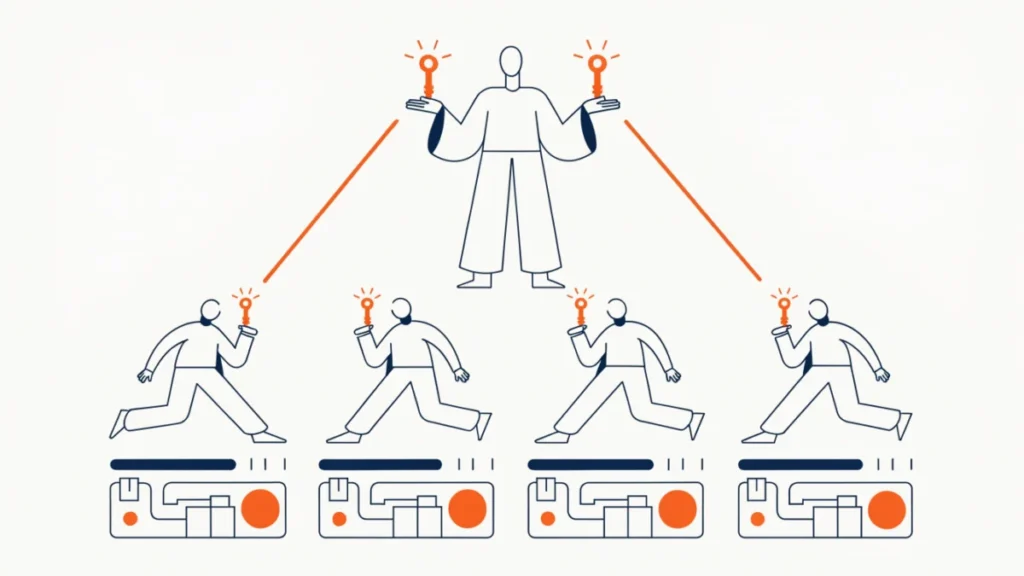
Decentralization motivates managers, speeds decisions and develops leaders, but it costs more and can weaken control. Merits and demerits explained.
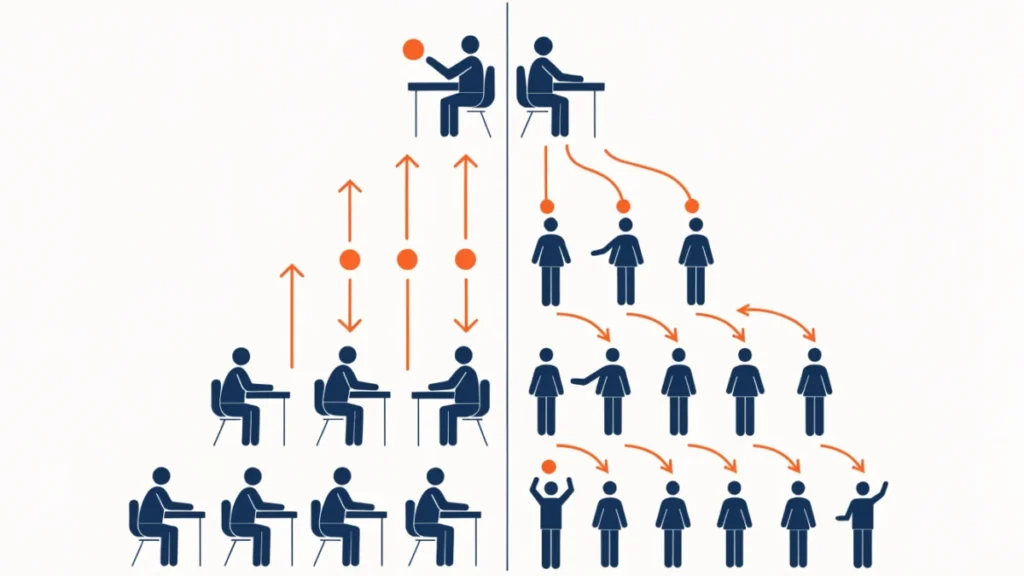
What centralization and decentralization mean, how they differ, when each works best, and how both relate to delegation of authority.

Demand forecasting, market research, cost analysis, pricing, profit planning and capital budgeting: 14 ways a managerial economist supports decisions.

Demand analysis, forecasting, pricing, cost control, production, profit planning and capital budgeting: how managerial economics guides each call.

Why managerial economics is both a science and an art, what it covers in day-to-day business decisions, and how it differs from traditional economics.

Mostly microeconomic, partly macro, normative and practical: the main features of managerial economics and its significance for business decisions.