

7 Phases of an Entrepreneurship Development Programme (EDP)
From finding and selecting trainees to motivation training, management skills, field exposure, setting up the unit and follow-up: how an EDP runs.
Starting and running a business: ideas, theories, funding, challenges and the Indian startup ecosystem.
From finding and selecting trainees to motivation training, management skills, field exposure, setting up the unit and follow-up: how an EDP runs.

EDPs build skills, teach business planning, open doors to funding, provide mentors, support market research and widen networks for new founders.
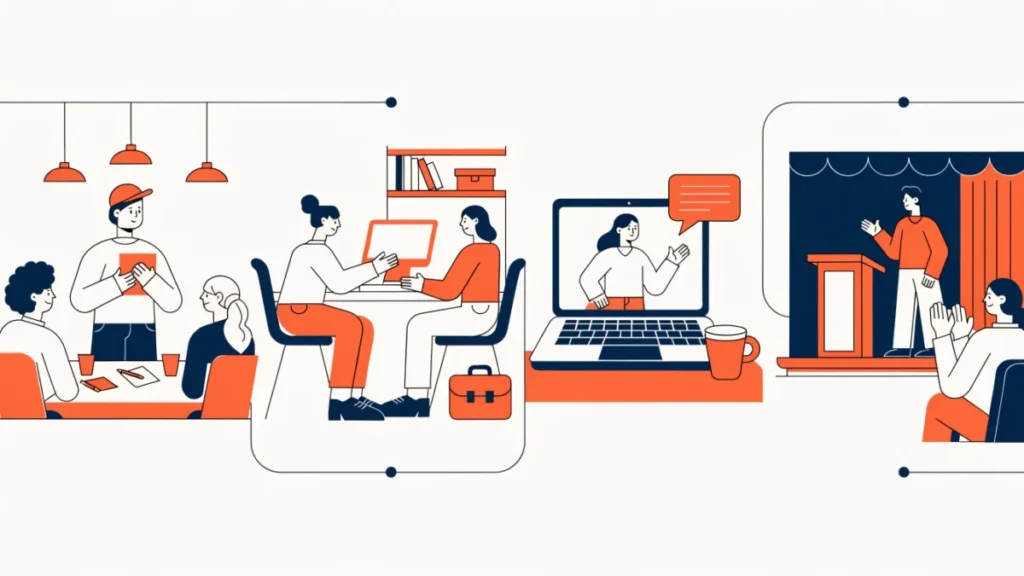
Incubators and accelerators, training programmes, government-run EDPs, industry-specific courses, entrepreneurship education and online programmes.

Low cost, flexible hours, easy access to buyers and close community ties, set against the real risks of street selling. The full picture.
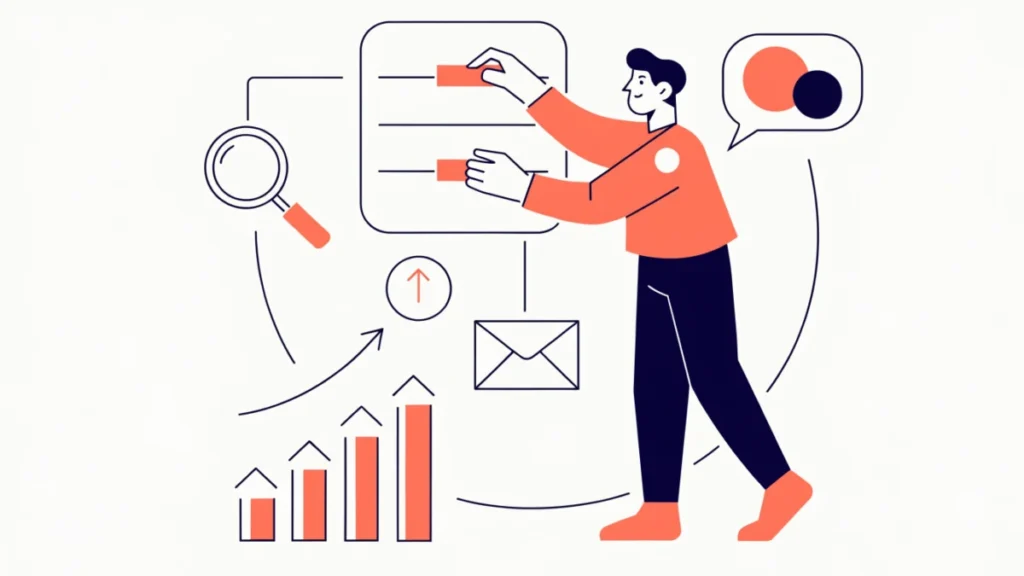
Define your audience, sharpen the value proposition, build a strong brand, pick the right channels, create useful content and use influencers wisely.
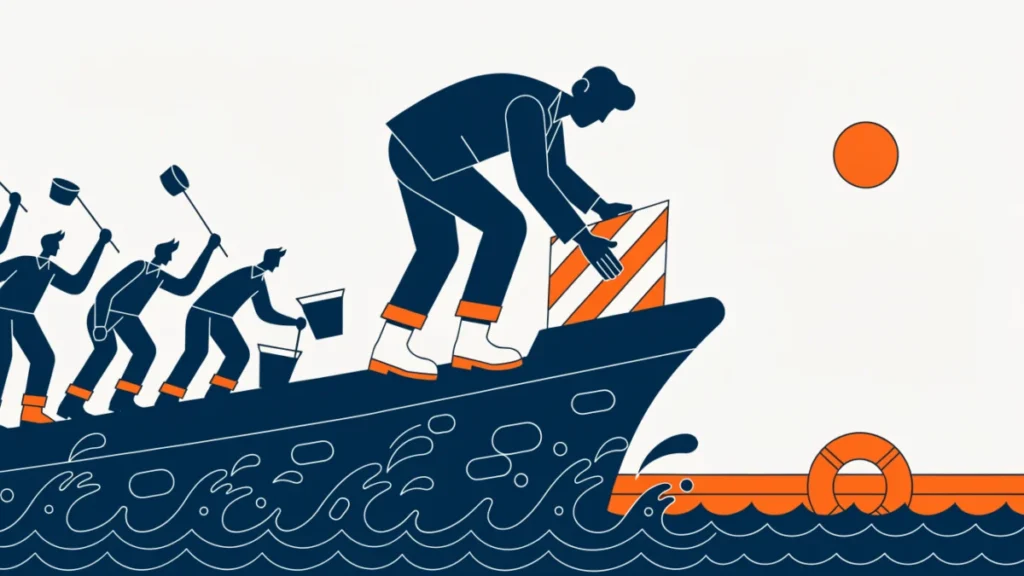
Assess the damage, focus on what you do best, plan, restructure debt, cut costs, talk to stakeholders and raise fresh capital: a rescue playbook.
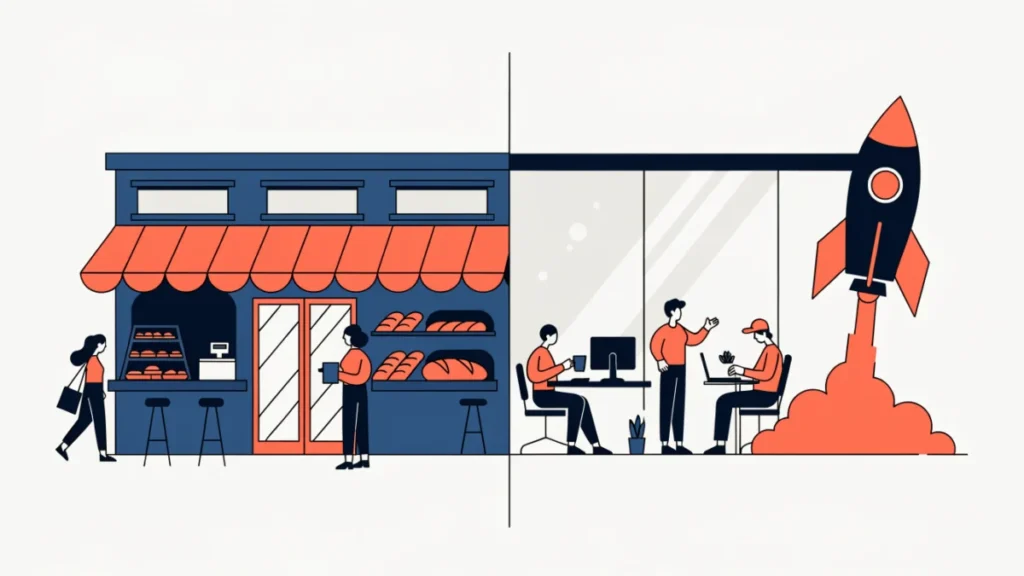
Goals, growth plans, funding, risk, team and exit: how a startup differs from a small business, so you can tell which one you are building.

Refine the plan, set goals, test the market, choose a legal structure, get permits and track KPIs: the steps that turn a plan into a running business.
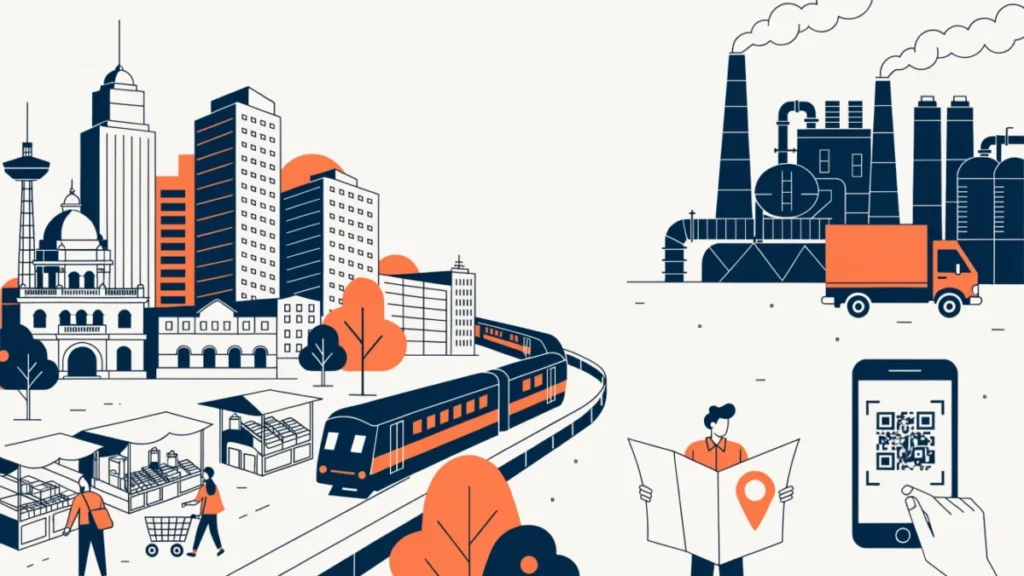
A huge consumer market, government support, wide use of English and fast tech adoption, set against the hurdles firms still face. Both sides.
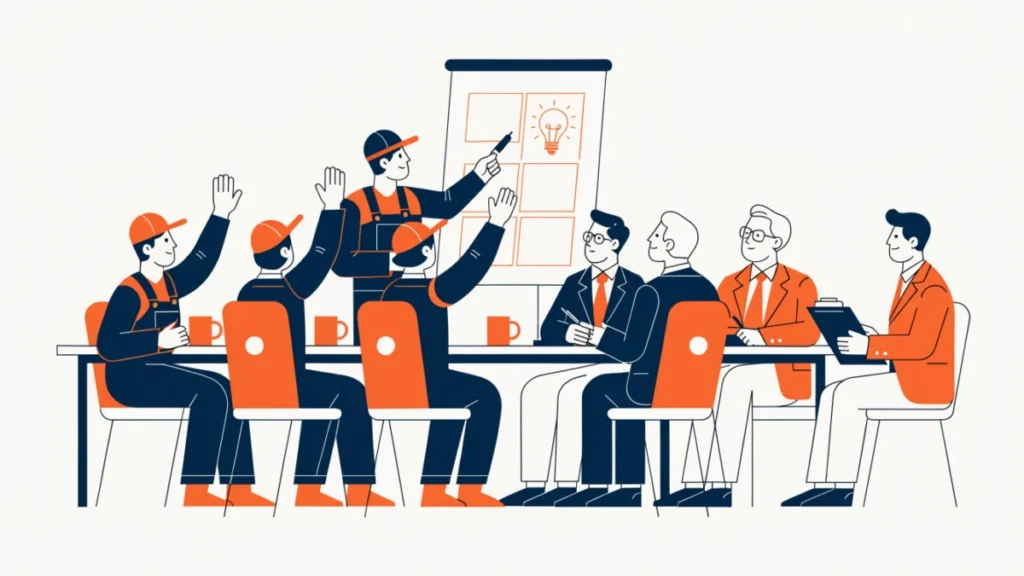
Works committees, joint management councils, collective bargaining, co-partnership, worker directors, suggestion schemes and more: how WPM works.