

Quick answer: Business networking has real downsides: it takes a lot of time and money for uncertain returns, can produce
Starting and running a business: ideas, theories, funding, challenges and the Indian startup ecosystem.
Quick answer: Business networking has real downsides: it takes a lot of time and money for uncertain returns, can produce
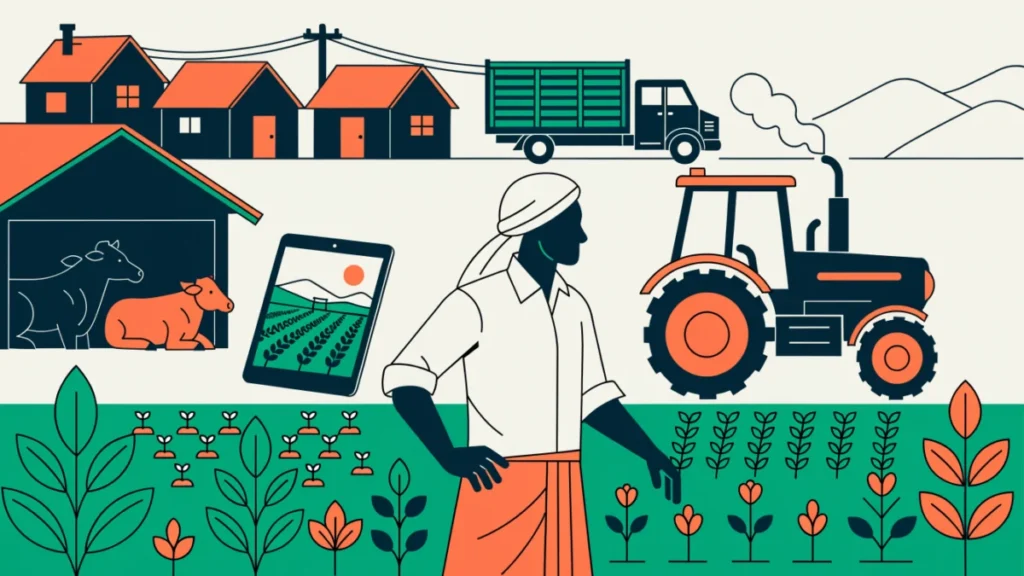
Quick answer: To start a farming business in India: research local agro-climatic conditions and markets, choose crops or livestock with
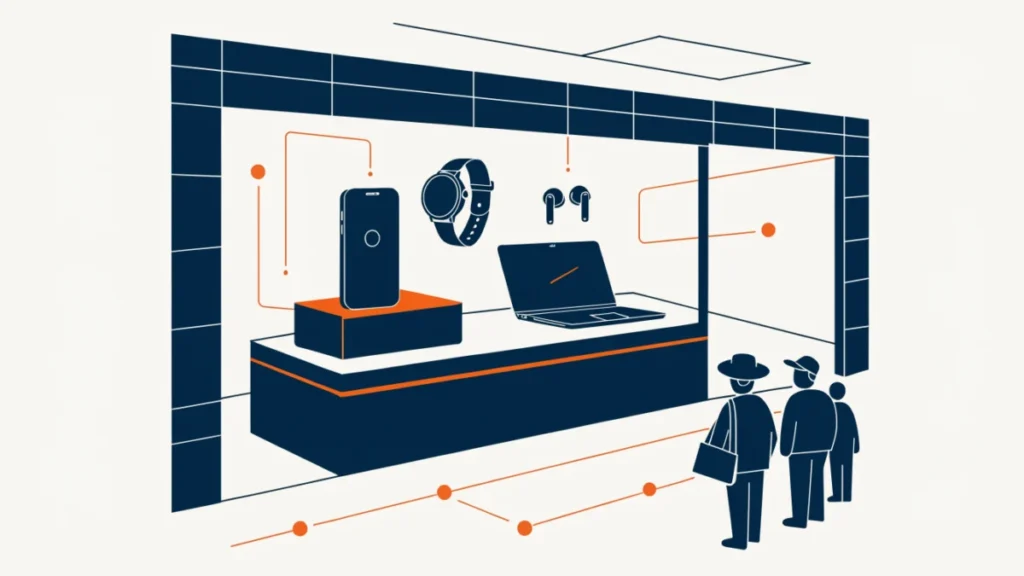
Quick answer: Apple succeeds because it controls the whole experience: it designs its own hardware, software, chips and services so

Quick answer: To start a space company in India, research the market and pick a focus (launch, satellites, ground systems
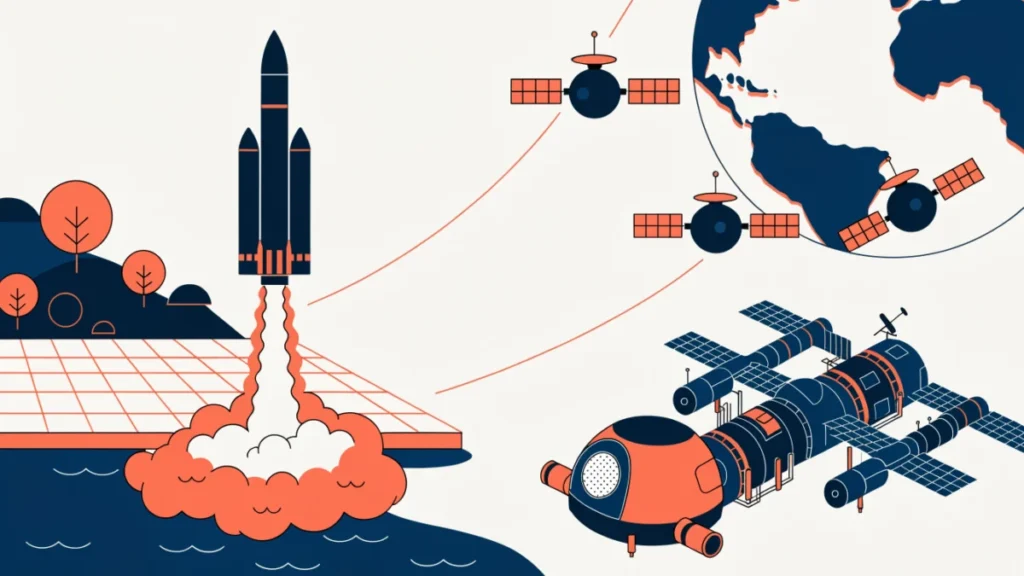
Quick answer: Most private space revenue today comes from launch services, satellite communications and broadband, government contracts such as NASA
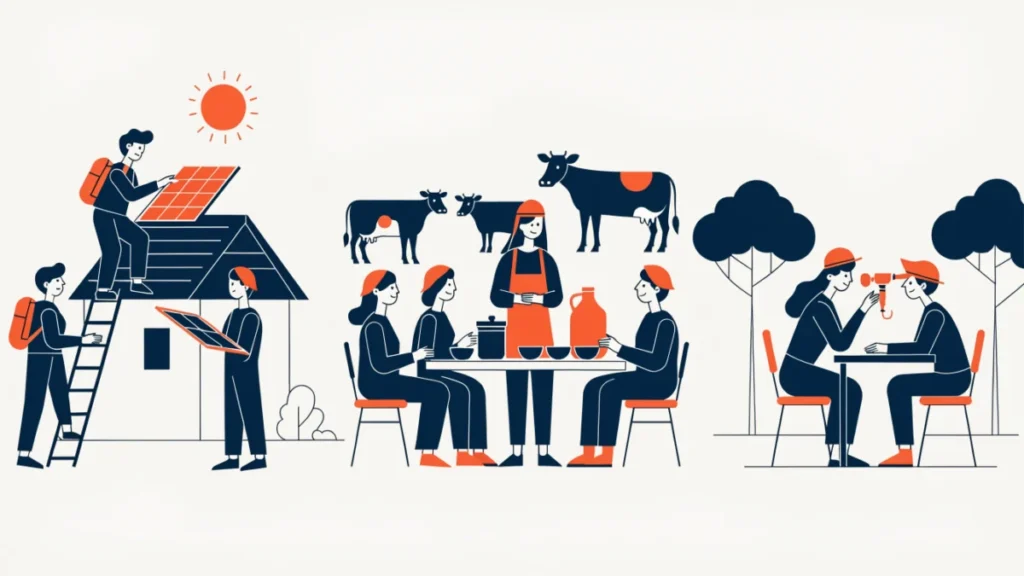
Quick answer: Social entrepreneurship comes in several forms: non-profit, for-profit and cooperative models; ventures focused on the environment, technology, empowerment,

Quick answer: Social entrepreneurship uses business methods to solve social problems. Its key features are a clear social mission, innovation,

Quick answer: Employee reward systems combine financial and non-financial rewards. Financial: bonuses, incentives, profit sharing and long-term incentives such as

Quick answer: A reward system is needed because it motivates employees, recognises good performance, keeps top talent, raises job satisfaction

Quick answer: The main types of customer loyalty programmes are points-based, tiered, paid membership, cashback, punch card, value-based, coalition, partner,