

14 Key Advantages of Word-of-Mouth Marketing
Recommendations carry trust, cost little, spread your name, convert better and build lasting loyalty. Why word of mouth works so well for small firms.
Free, plain-English guides on entrepreneurship, marketing, accounting, economics, finance and management, with Indian examples and current data.
Recommendations carry trust, cost little, spread your name, convert better and build lasting loyalty. Why word of mouth works so well for small firms.
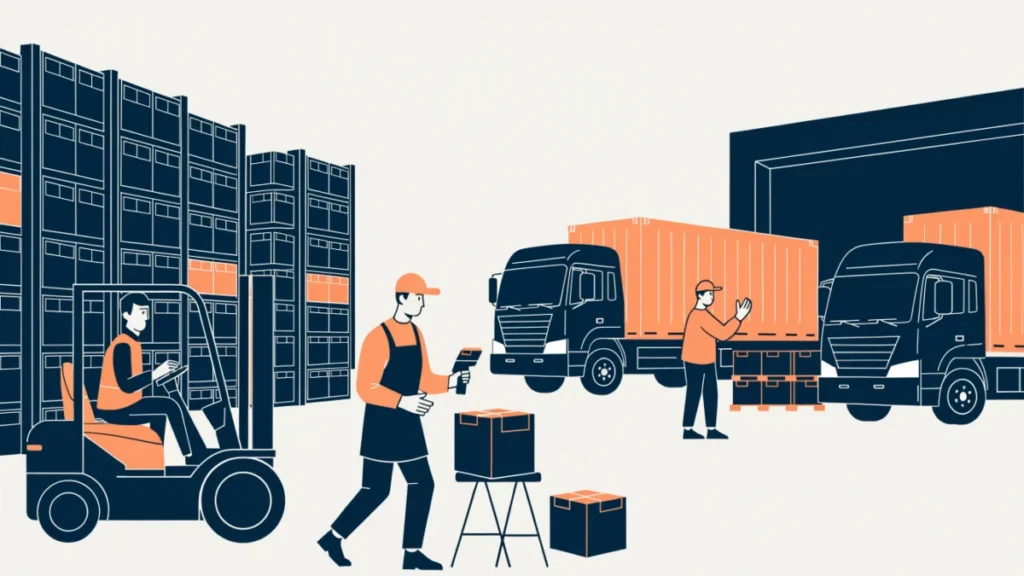
Warehouses manage stock, prevent stockouts, hold seasonal goods, cut storage costs, consolidate products and act as distribution hubs.
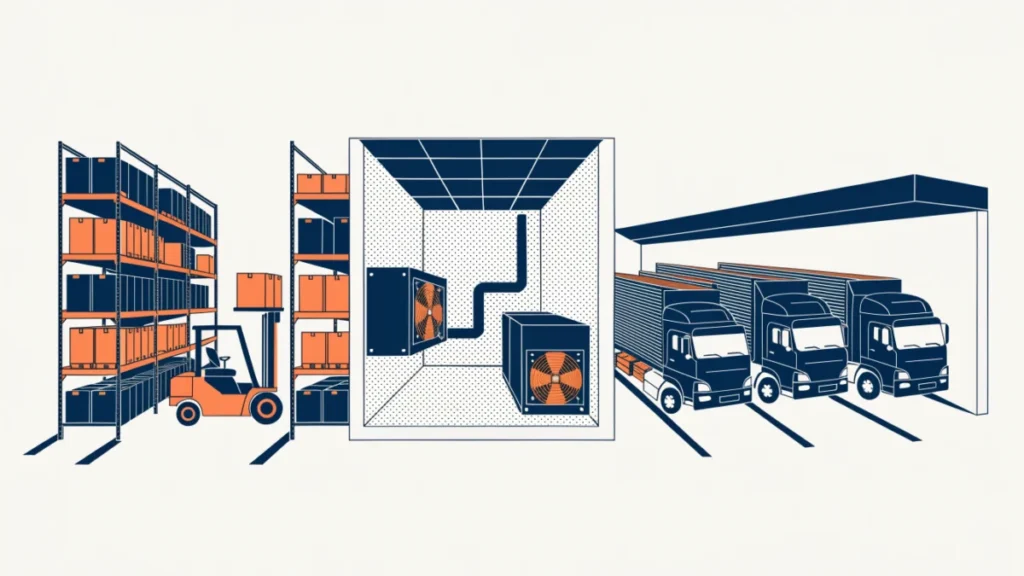
Public, private, distribution centres, cross-docking, temperature-controlled, bonded and more: the types of warehouses and which business each suits.
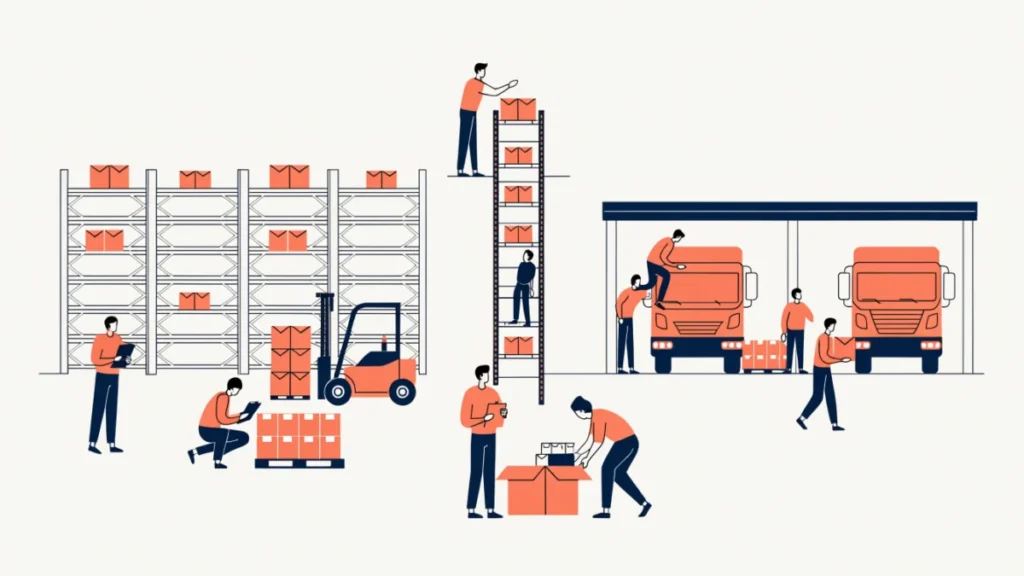
Storage, inventory control, order fulfilment, consolidation, cross-docking, quality checks and more: the jobs a warehouse does in the marketing chain.
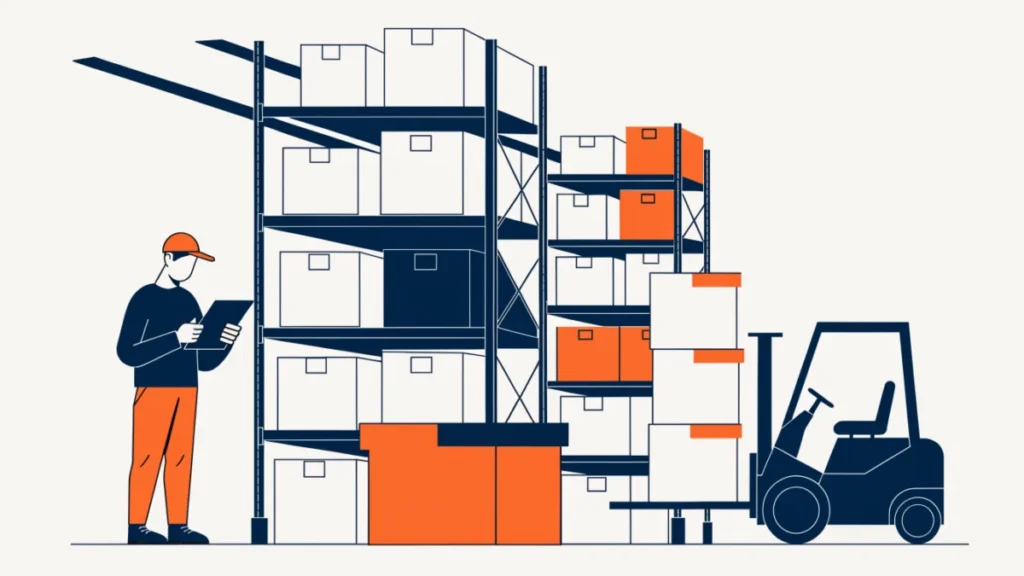
Warehouses balance supply and demand, protect goods and speed up delivery, but they tie up money and add risk. 18 pros and cons with simple examples.
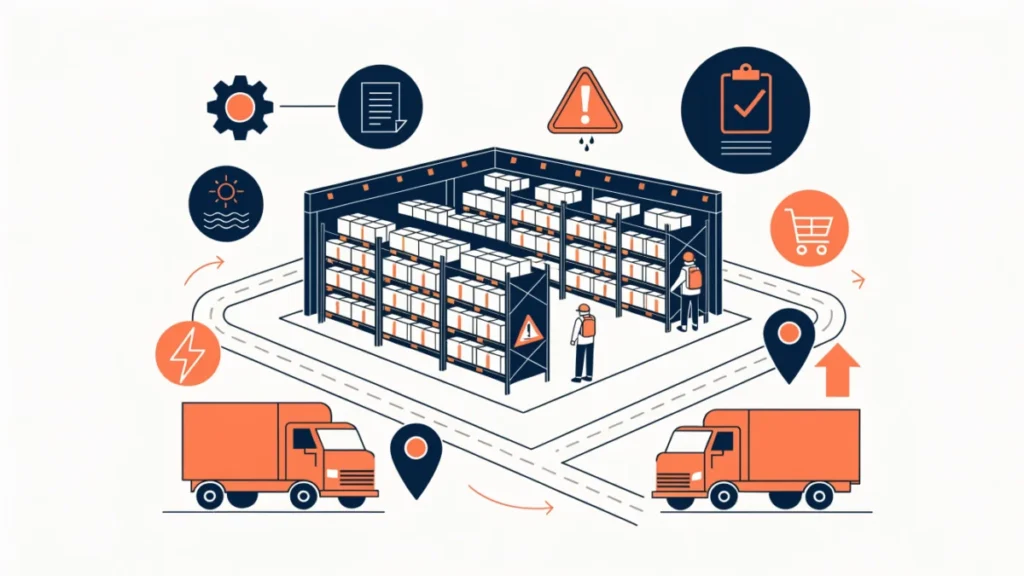
Location, design and layout, technology and automation, inventory control, staffing and more: what drives warehouse costs and performance.

Vision and mission, market research, segmentation, competitor analysis, positioning and value proposition: what a strong product strategy is built on.
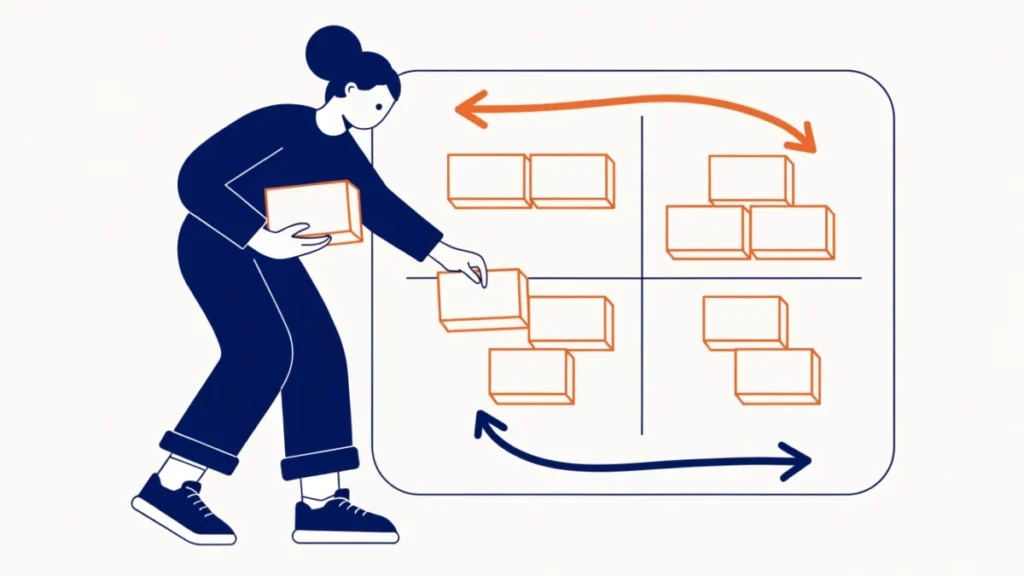
Market penetration, market development, product development, diversification, skimming and penetration pricing and more: product strategies explained.

Sharper demand forecasts, faster decisions, real-time tracking, better supplier management, route optimisation and predictive maintenance.

Global reach, better demand forecasts, real-time tracking, faster fulfilment, shorter lead times and personal service: how e-commerce reshapes supply chains.