

19 Principles of Logistics Management with Example
Customer focus, integration, planning and forecasting, resource allocation, technology and inventory control: the principles behind good logistics.
Free, plain-English guides on entrepreneurship, marketing, accounting, economics, finance and management, with Indian examples and current data.
Customer focus, integration, planning and forecasting, resource allocation, technology and inventory control: the principles behind good logistics.

Temperature control, freshness, supply chain visibility, food safety rules, sustainability and last-mile delivery: the toughest problems in food logistics.

Knowing customs rules, classifying goods, preparing documents, valuing shipments, applying tariffs and cutting duties: what a customs broker does.

Supply chain disruptions, complex inventory, high costs, transport problems, information gaps and environmental impact: the downsides of logistics.
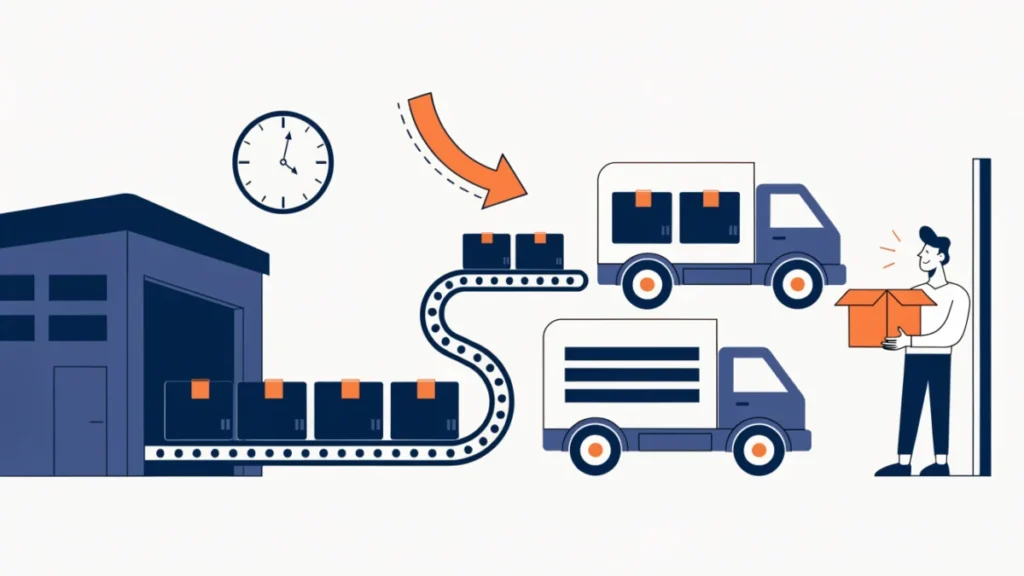
Lower costs, happier customers, faster launches, more flexibility, leaner inventory and better risk control: what efficient logistics gives a business.
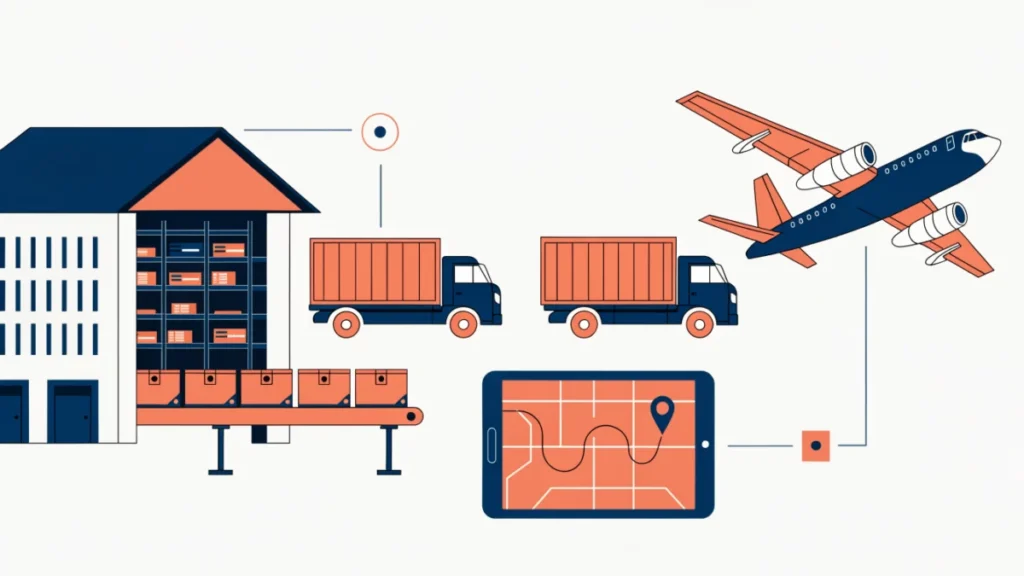
Supply chain planning, transport, inventory, warehousing, order fulfilment, distribution network design and more: the parts that make logistics work.
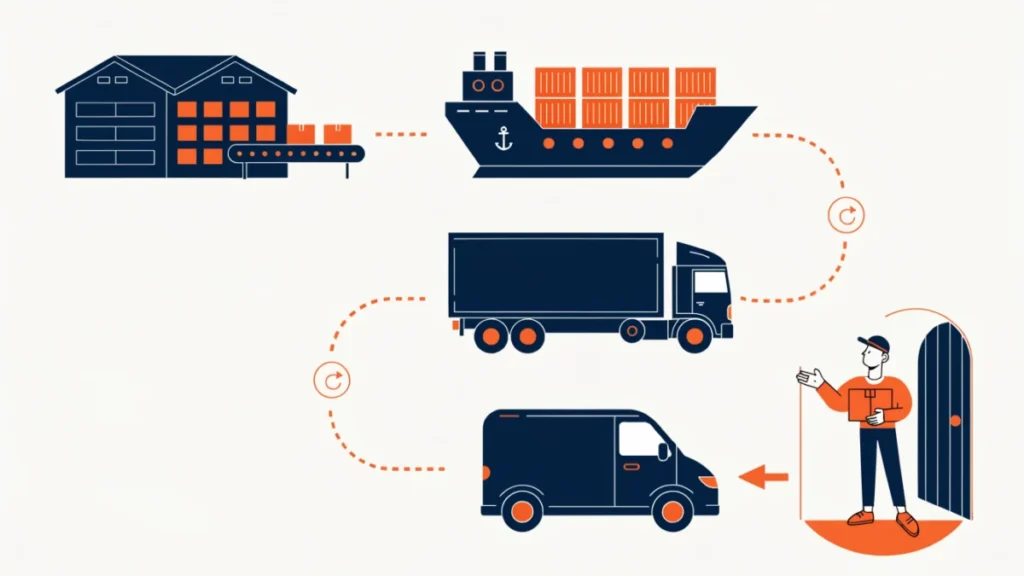
Supply chain visibility, inventory control, smooth warehousing, optimised transport, supplier collaboration and accurate forecasts: why logistics matters.

Angel investors, VC firms, crowdfunding, peer-to-peer lending and more: where founders can raise money and how to match the source to their needs.

Scope, level of decision, time horizon, resource allocation, risk and value creation: how business-level and corporate-level strategy differ.

Scope, decision level, time horizon, goals, influence and adaptability: how company-wide business strategy differs from marketing strategy.