
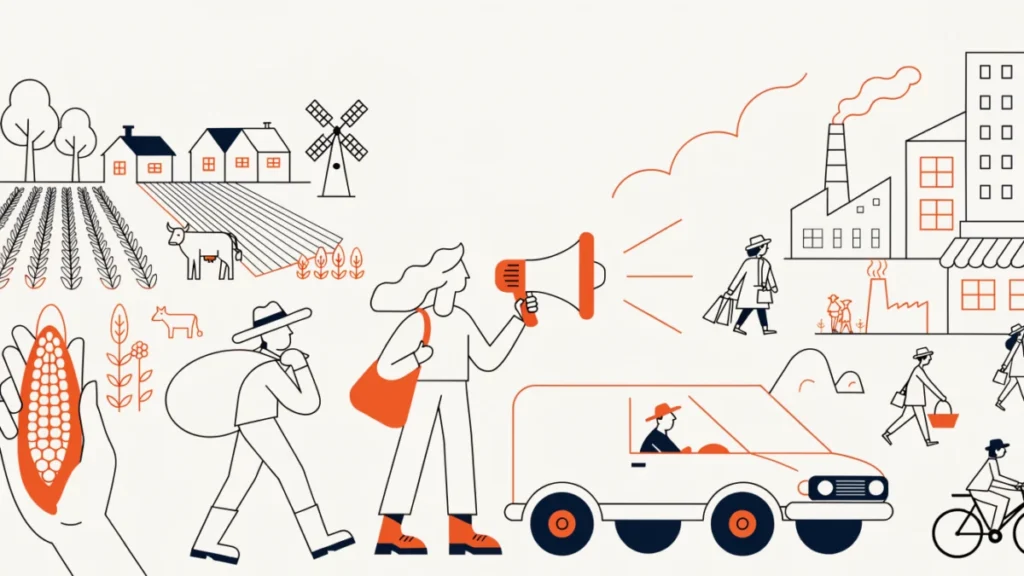
12 Roles and Importance of Marketing in a Developing Economy
Marketing turns production into sales, creates jobs, raises living standards, opens rural markets and draws investment. How it drives economic growth.
Guides on marketing, advertising, sales management, distribution and retail, with Indian examples.
Marketing turns production into sales, creates jobs, raises living standards, opens rural markets and draws investment. How it drives economic growth.
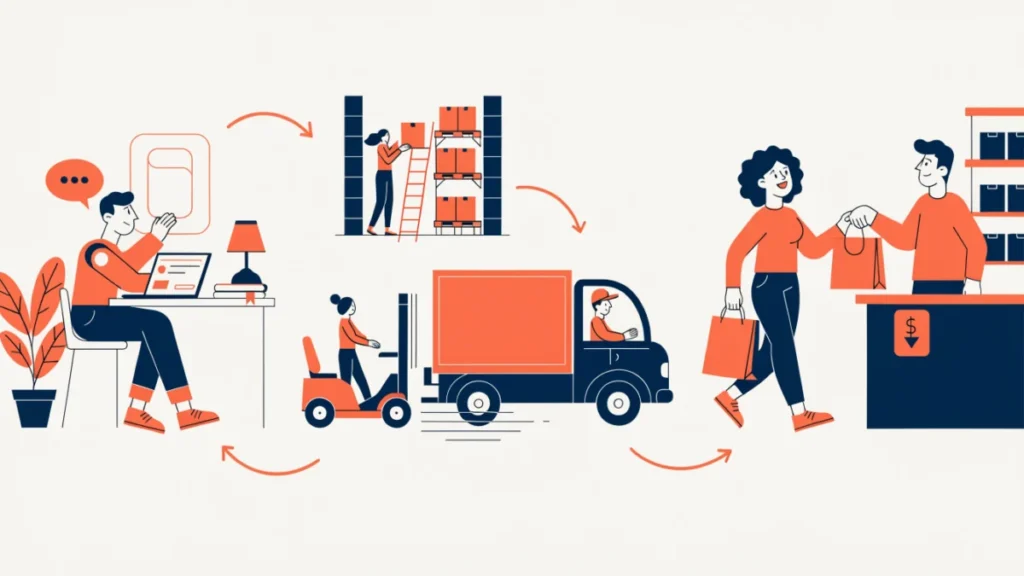
Product planning, creating demand, standardising and grading, buying, assembling, selling and more: what the marketing function does from idea to sale.
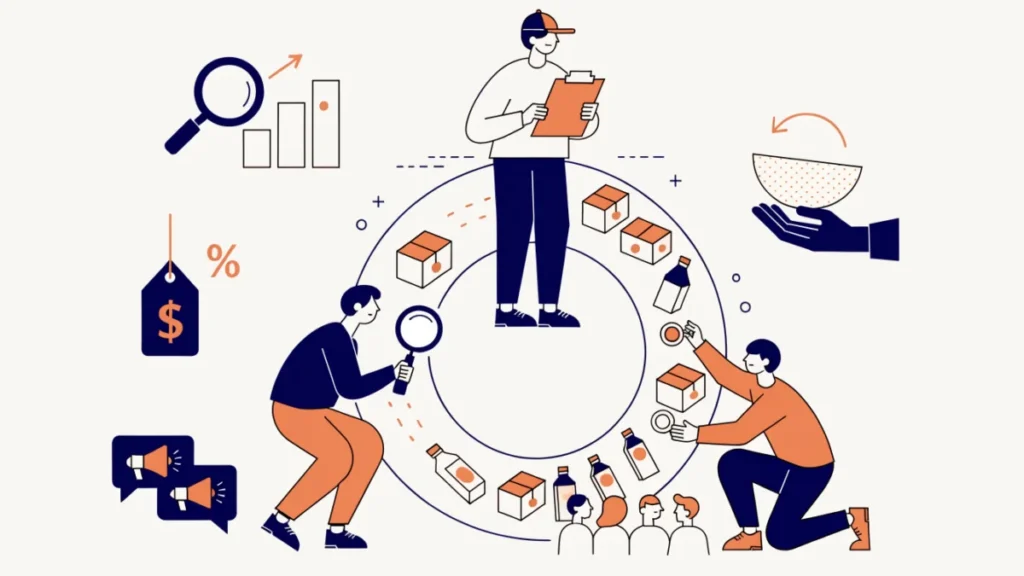
What marketing covers, from distributing goods to the commodity, functional, managerial and societal approaches, and where the field is heading.

Marketing is a business activity, a dynamic process and a complete system. The 21 features that define it, explained in plain words.
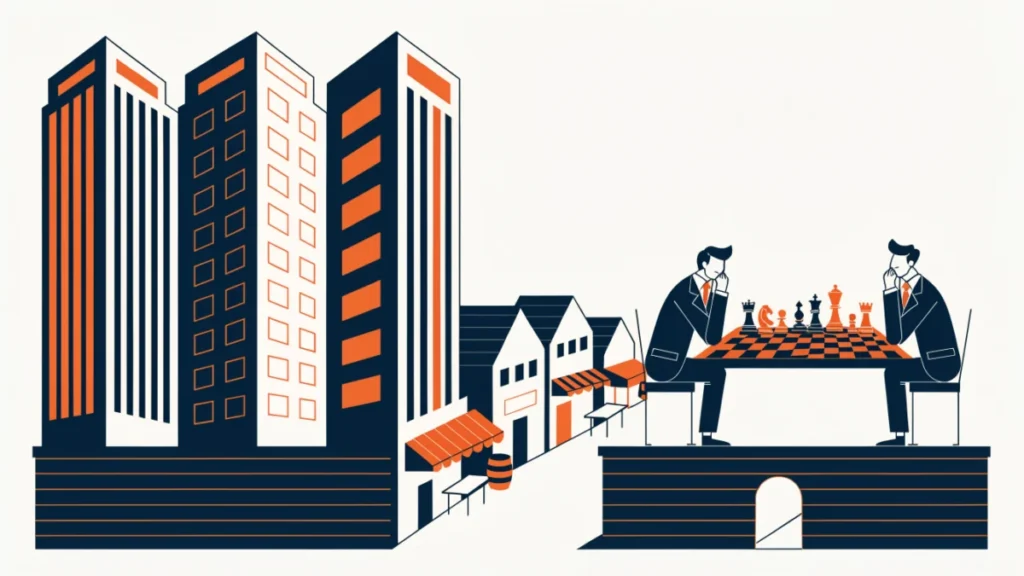
Few large sellers, interdependence, high entry barriers, sticky prices, heavy advertising and price leadership, shown with examples from Indian industry.
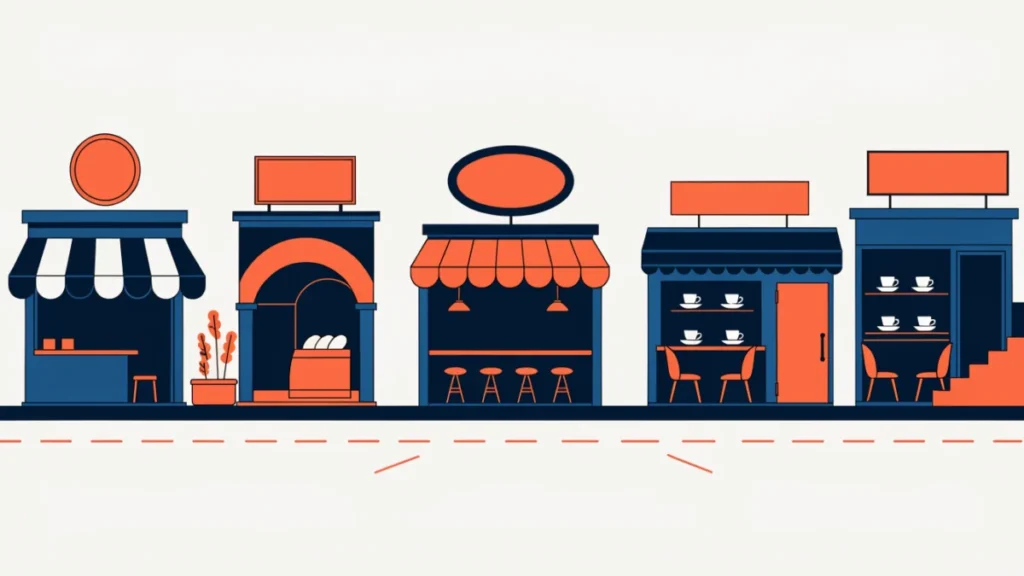
Differentiated products, many small firms, limited price power, non-price competition and fairly elastic demand: the traits of monopolistic competition.
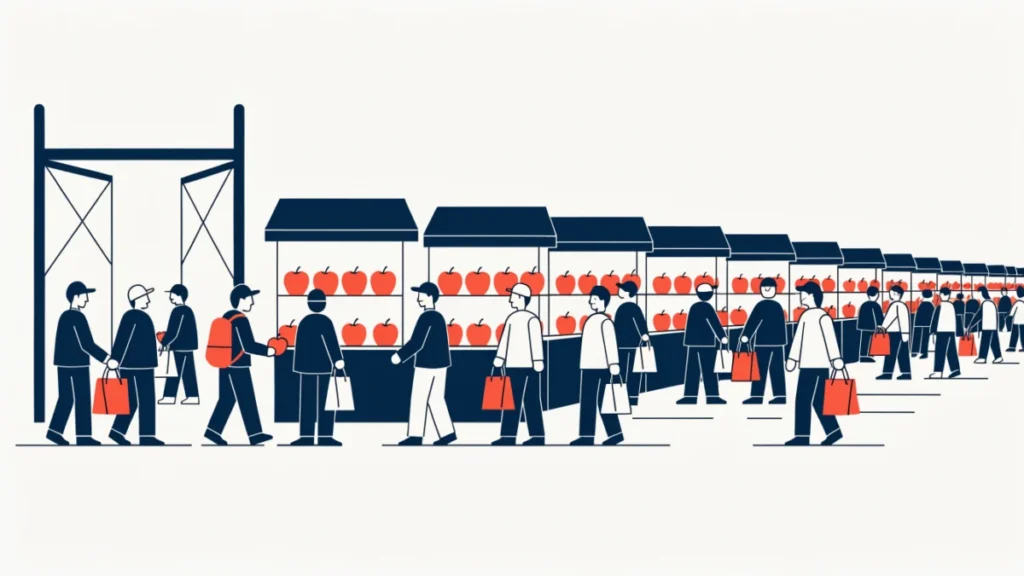
Many buyers and sellers, identical goods, price-taking firms, free entry: the 10 characteristics, short run vs long run, and markets that come close.
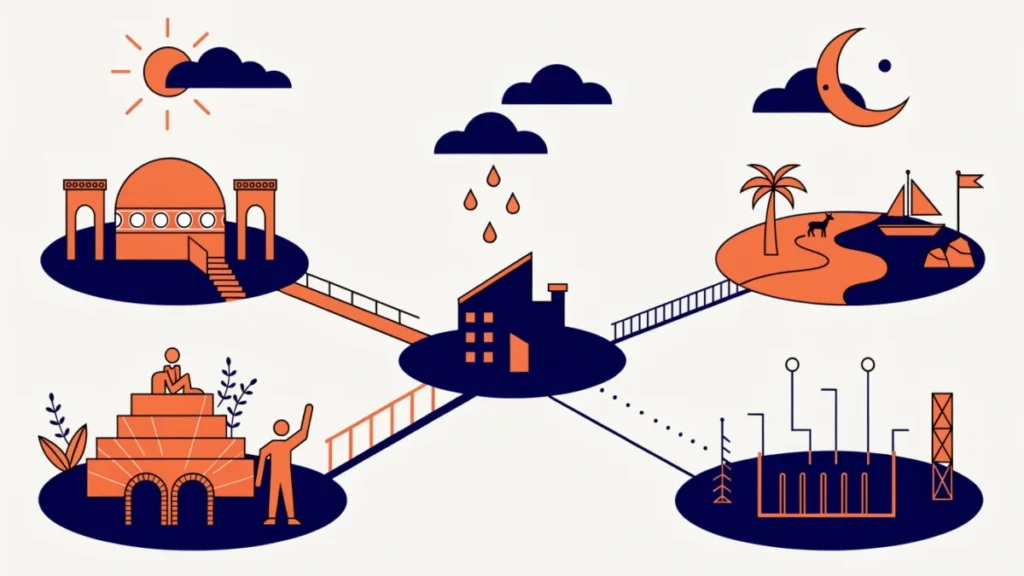
Internal and external forces, interdependence, constant change, resources, wide markets and communication: the traits of the business environment.
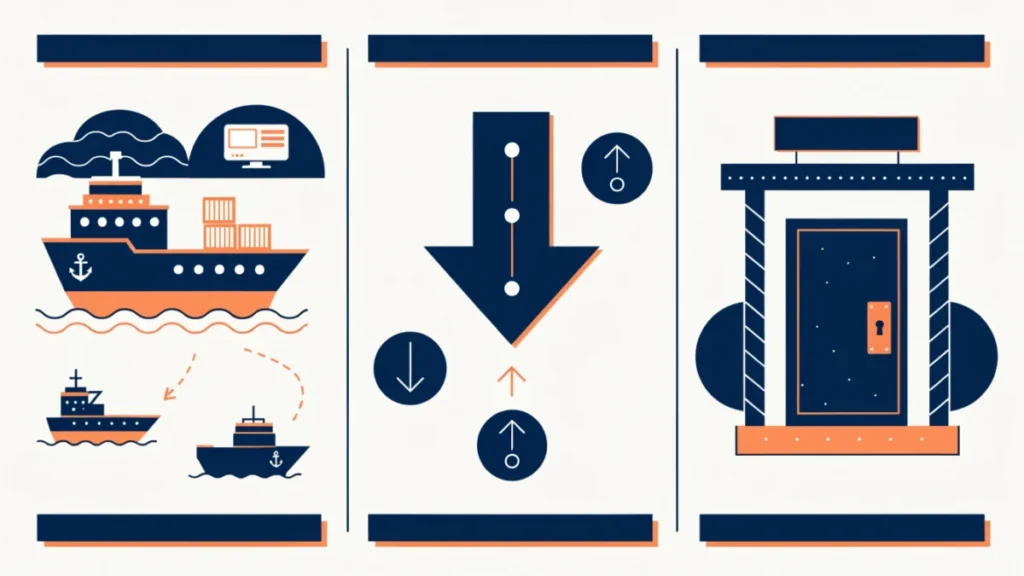
The BoP format laid out: current account, capital account and settlement account, what goes in each, and why the balance of payments matters.
A mixed economy blends public and private sectors. Learn its main features, advantages and drawbacks, and how India’s mix has shifted over time.