

Bookkeeping vs Accounting: 7 Similarities and Key Differences
Where bookkeeping and accounting overlap, how they differ in scope and skill, and how both fit into the accounting cycle, explained step by step.
Financial statements, cost accounting, bookkeeping and accounting concepts explained with worked examples.
Where bookkeeping and accounting overlap, how they differ in scope and skill, and how both fit into the accounting cycle, explained step by step.

Owners, managers, investors, government, employees, unions, creditors and more: who relies on accounting information and what each group looks for.

Accounting records transactions, shows profit or loss, proves your financial position and keeps you right at tax time. 11 needs, plus who uses it.

Financial, cost, management, branch, departmental, social responsibility accounting and more: what each branch of accounting covers and who uses it.
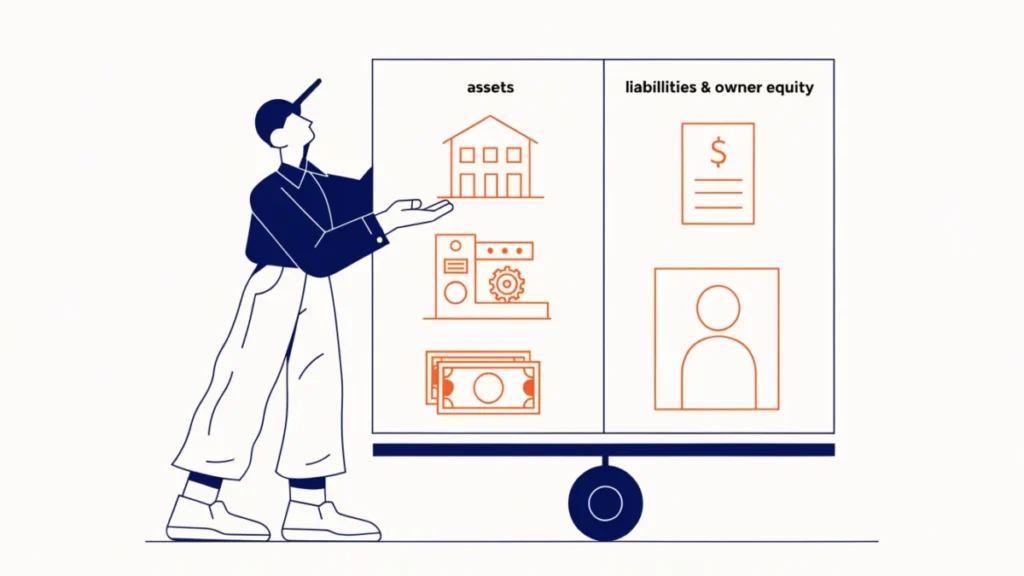
See the Schedule III balance sheet layout line by line: assets, equity and liabilities, the formula, and a filled-in example you can follow.
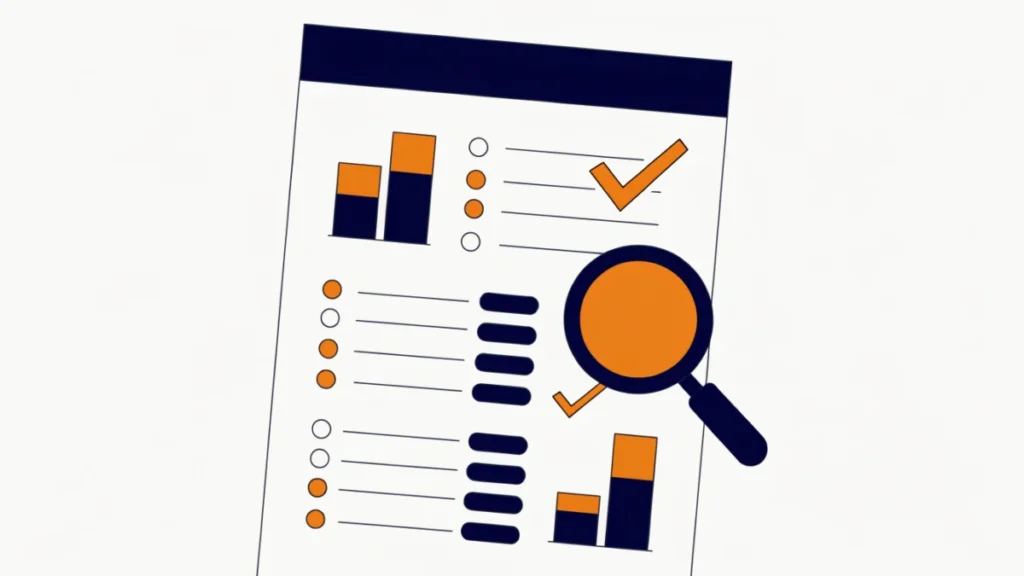
Simple, relevant, comparable, easy to read, complete and accurate: the qualities a good financial statement should have, with examples.
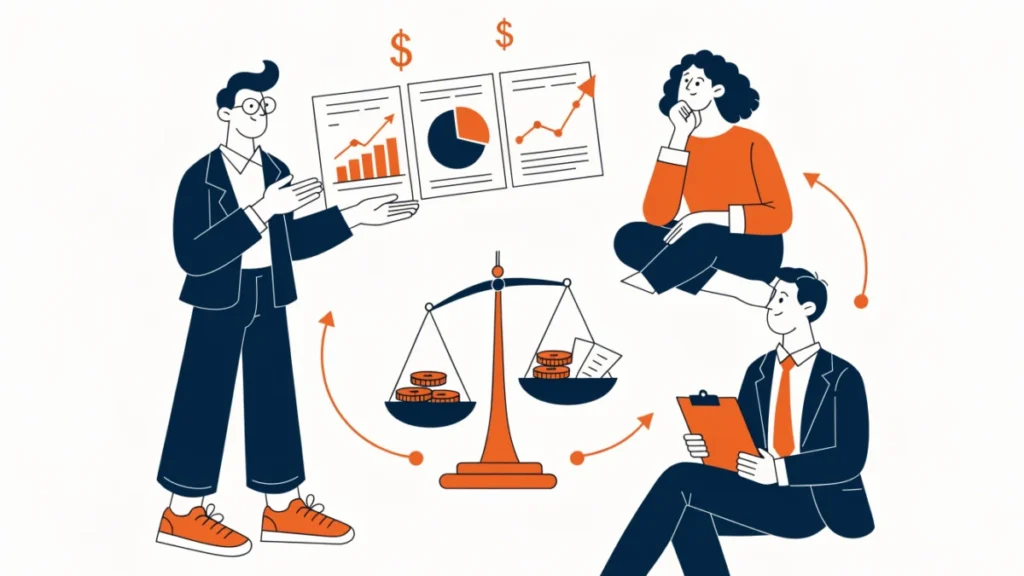
Why businesses prepare financial statements, what shapes them, from recorded facts to conventions and judgement, and who relies on them.

Financial planning and analysis, historical and standard costing, budgetary control, marginal costing and more: the tools managers use to decide.

Management accounting looks ahead, follows no fixed rules, studies cost behaviour and picks what managers need. Its 8 key features explained simply.

Purpose, theory, nature of facts, reports, period and whether the law requires it: how financial accounting and management accounting differ.