
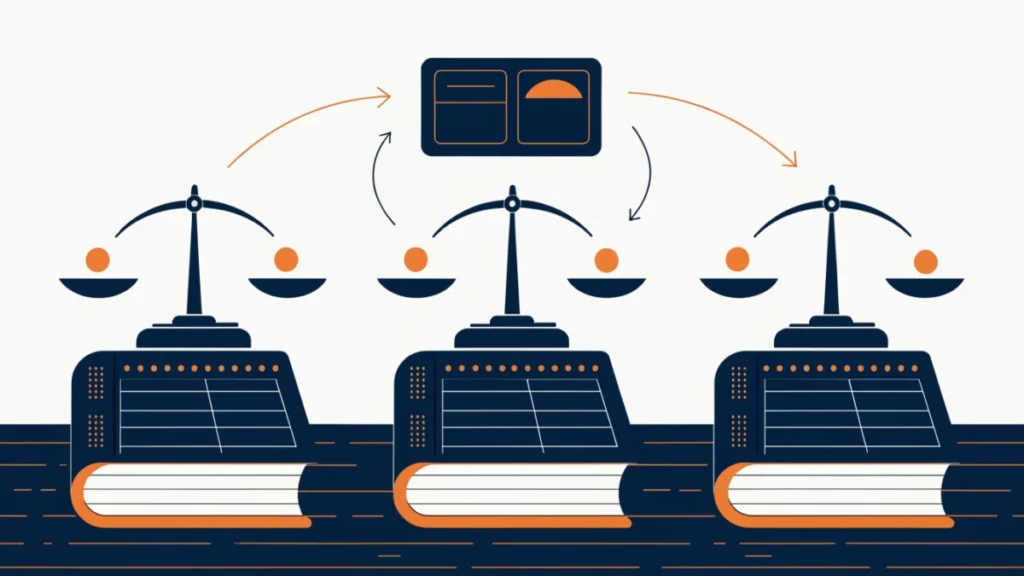
What is Self Balancing Ledger System (With Illustrations)
How the self-balancing ledger works, why each ledger gets its own control account, and worked illustrations showing the entries step by step.
Financial statements, cost accounting, bookkeeping and accounting concepts explained with worked examples.
How the self-balancing ledger works, why each ledger gets its own control account, and worked illustrations showing the entries step by step.

When to move a balance from one ledger to another, a worked set-off example, the matching general ledger entry and quick rules to remember.
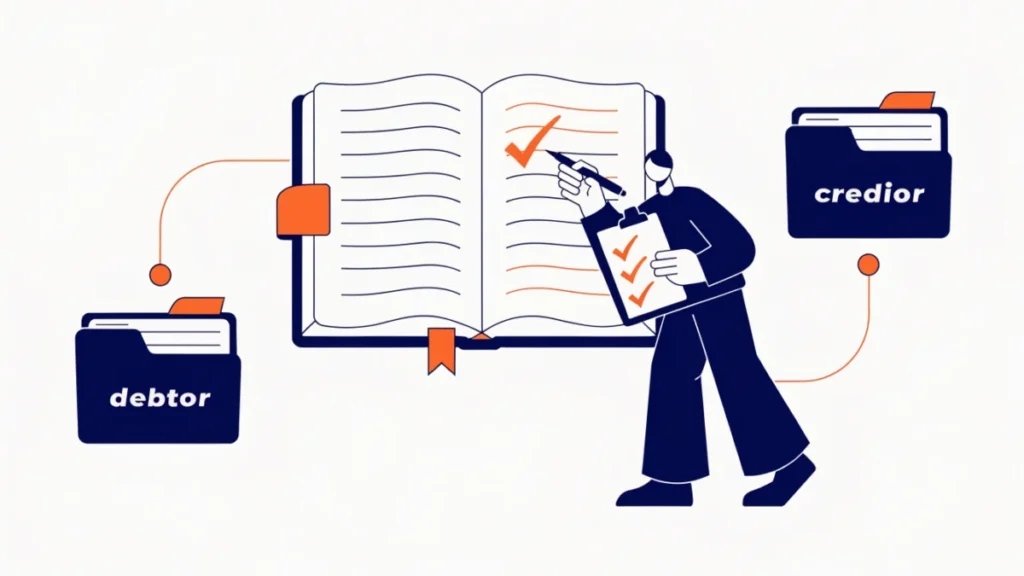
How the sectional balancing system works, how total debtors and total creditors accounts are kept, and how it helps check the accuracy of ledgers.
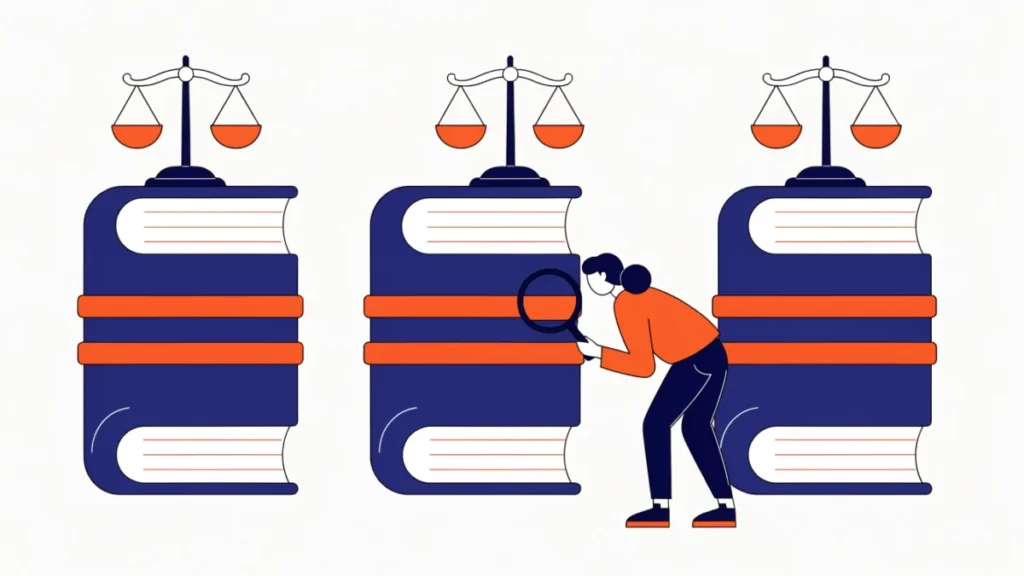
How sales, purchase and general ledgers balance themselves under each system, and how sectional balancing differs from self-balancing.
What capital and revenue payments are, 13 real examples sorted into each type, and a simple test to tell them apart in your accounts.

What deferred revenue expenditure is, how it shows in the accounts, how it differs from capital spending, and practice questions with answers.

What counts as capital income and what counts as revenue income, 11 clear differences between them, and a worked example to test yourself.

What capital losses and revenue losses are, how they differ, a simple worked example and why the split matters for your profit and loss account.
What capital profits and revenue profits are, a worked example using the sale of a machine, and the key differences that decide how each is treated.
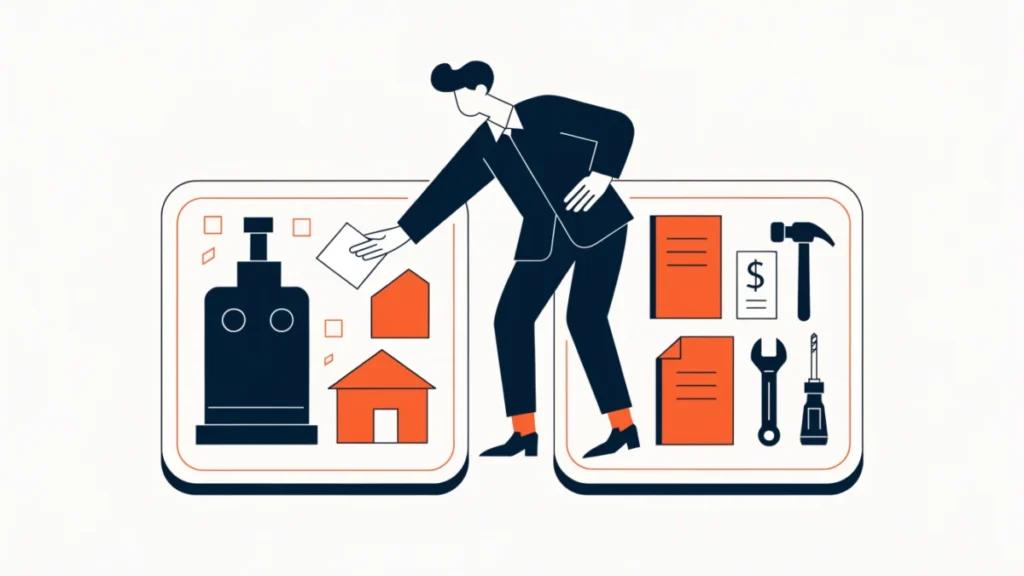
What counts as capital and revenue expenditure, when a routine cost becomes capital, a side-by-side comparison and practice questions to test yourself.