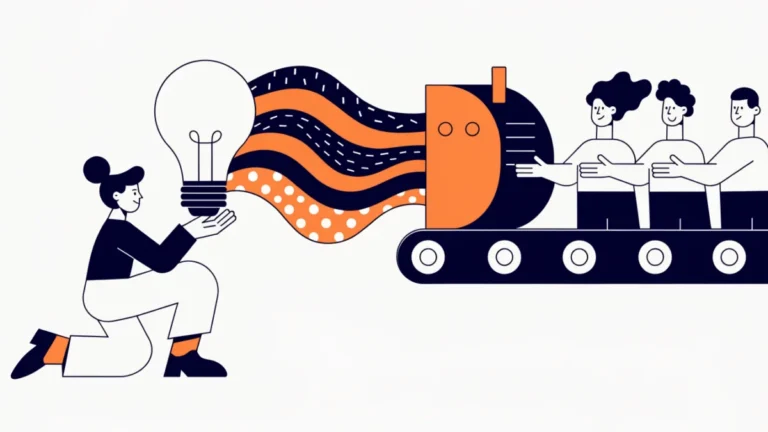
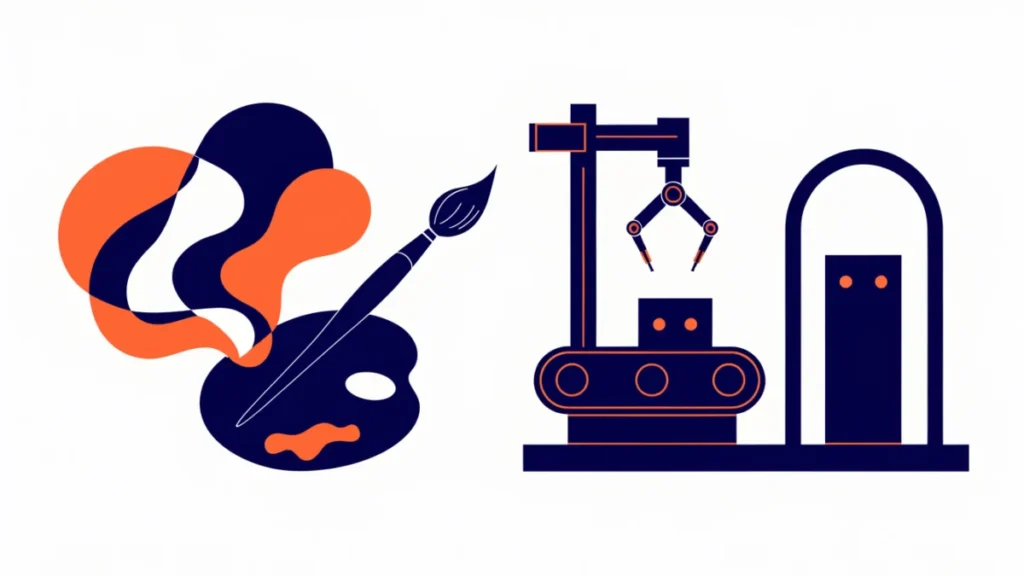
Creativity is generating new and useful ideas; innovation is turning those ideas into products, services or processes people use. Both involve novelty, depend on each other, need the right environment and drive growth. They differ in nature (mental vs practical), measurability, risk, resources needed, who does them and output. Theodore Levitt: creativity is thinking up new things, innovation is doing new things.
In the 1970s, researchers at Xerox PARC built a computer with a mouse, windows and icons. That was creativity. In 1984, Apple put those ideas into the Macintosh and sold it to the public. That was innovation. Xerox had the idea first; Apple made it matter.
Harvard’s Theodore Levitt put the distinction neatly in a 1963 article: creativity is thinking up new things, innovation is doing new things. Here is how the two are alike and how they differ. For the process behind ideas, see stages of the creative process.
Similarities Between Creativity and Innovation
1. Both Involve Something New
Each brings a fresh idea, product or method into play.
2. They Depend on Each Other
Innovation needs creative ideas to start with; creativity without innovation stays on paper.
3. Both Need the Right Environment
Psychological safety, time and resources encourage both, as shown in creative organisations.
4. Both Drive Growth
Together they produce new products, better processes and new markets.
Differences Between Creativity and Innovation
| Basis | Creativity | Innovation |
|---|---|---|
| Meaning | Generating new and useful ideas | Turning ideas into products, services or processes people use |
| Nature | Mental, imaginative | Practical, applied |
| Measurability | Hard to measure | Measurable through sales, cost savings, adoption |
| Risk | Low: an idea costs little | High: development, launch and market risk |
| Resources | Mainly time and thought | Money, people, systems |
| Who does it | An individual or small team | Usually an organisation |
| Output | Ideas, concepts, designs | Commercial results |
| Example | Xerox PARC’s graphical interface | Apple Macintosh (1984) |
Why the Difference Matters for Entrepreneurs
Plenty of founders have good ideas. Fewer turn them into something customers pay for. Execution, including testing, funding, building, pricing and selling, is the hard part. If you are strong on ideas, partner with someone strong on delivery, or build a team that covers both. Related: roles of creativity and innovation in entrepreneurship.