
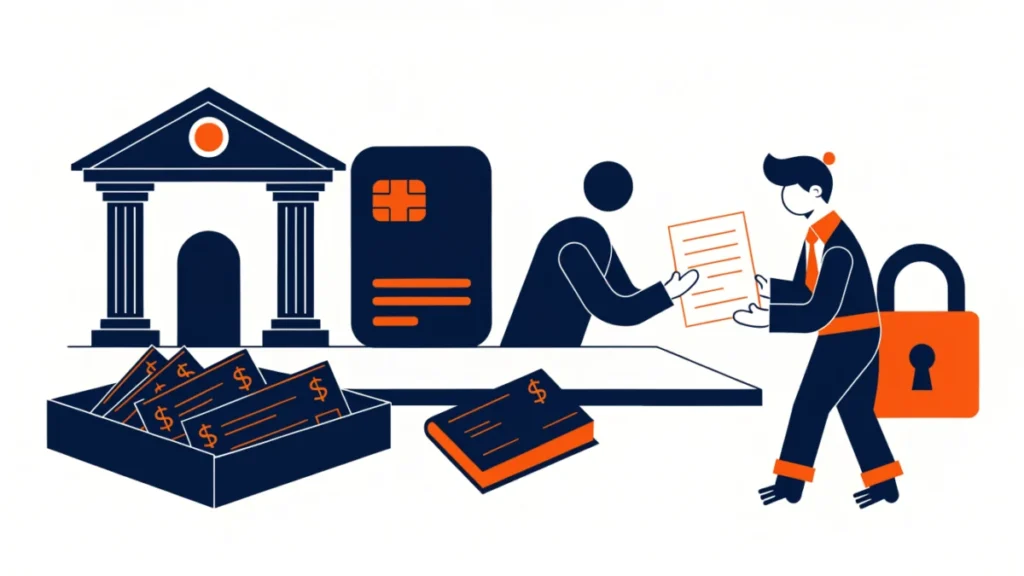
18 Advantages and Disadvantages of Commercial Banks (India)
Safe savings, interest, business credit, home loans and payment services, weighed against the drawbacks. What commercial banks do well and badly.
Starting and running a business: ideas, theories, funding, challenges and the Indian startup ecosystem.
Safe savings, interest, business credit, home loans and payment services, weighed against the drawbacks. What commercial banks do well and badly.
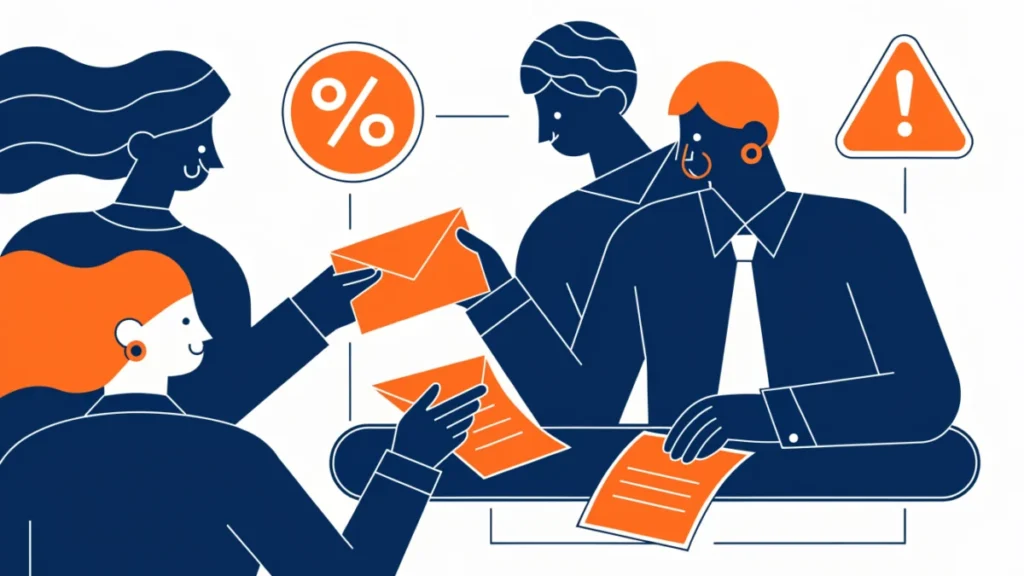
Companies raise public deposits for working capital without giving up control. The importance, benefits and risks of public deposits, plus the rules.
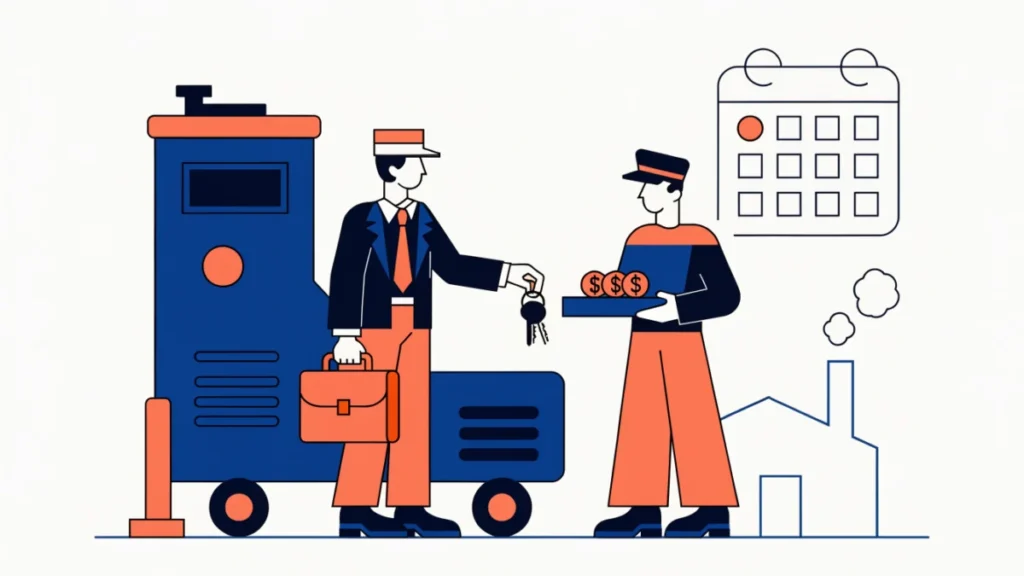
Leasing lets you use assets without buying them and saves cash up front, but it can cost more over time and you never own the asset. Pros and cons.
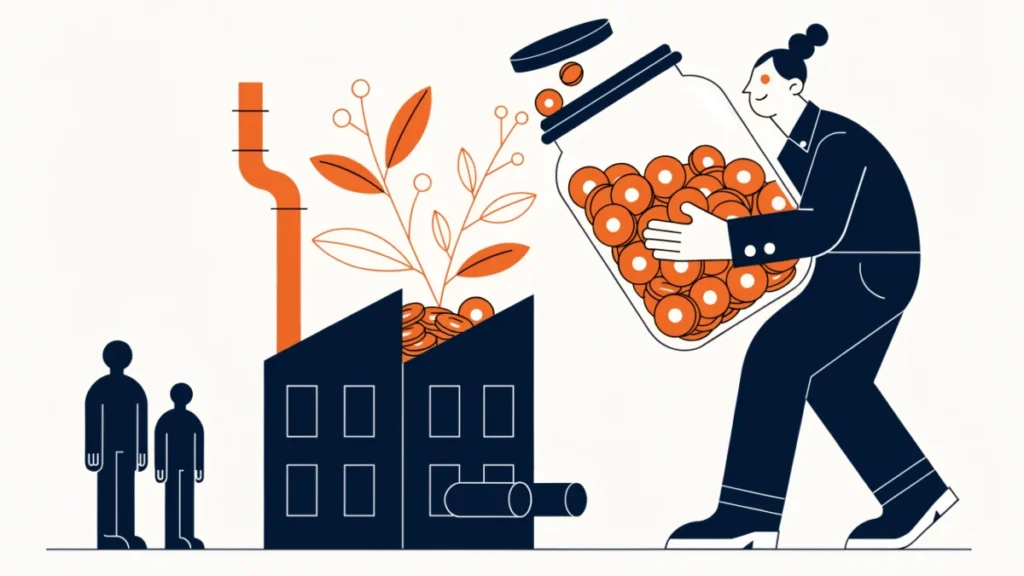
Ploughing back means reinvesting profits instead of paying them out. How it funds growth cheaply, and the downsides for shareholders and the business.
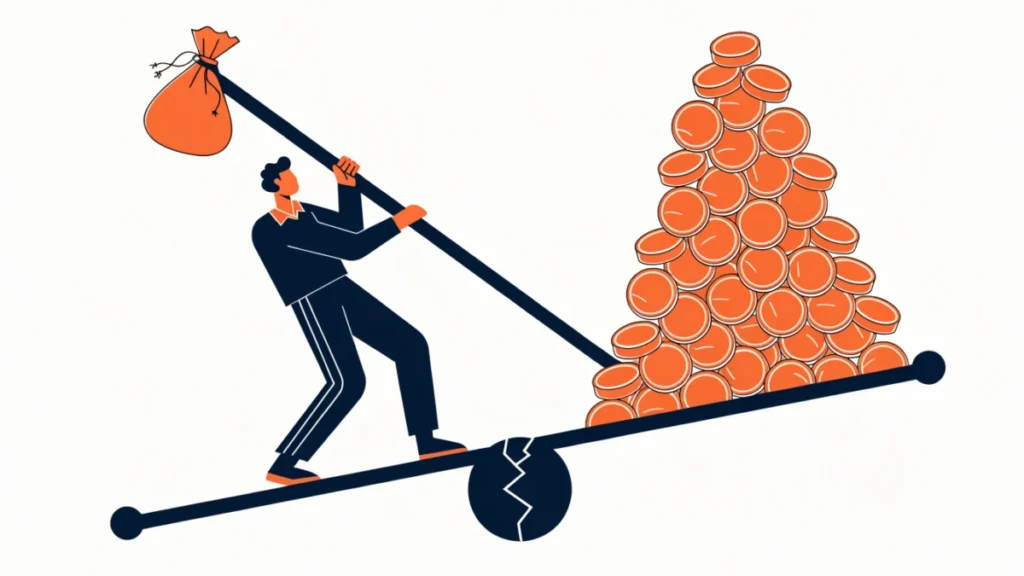
Trading on equity means using borrowed money to lift returns for shareholders. Its thin and thick types, advantages, and when debt starts to hurt.
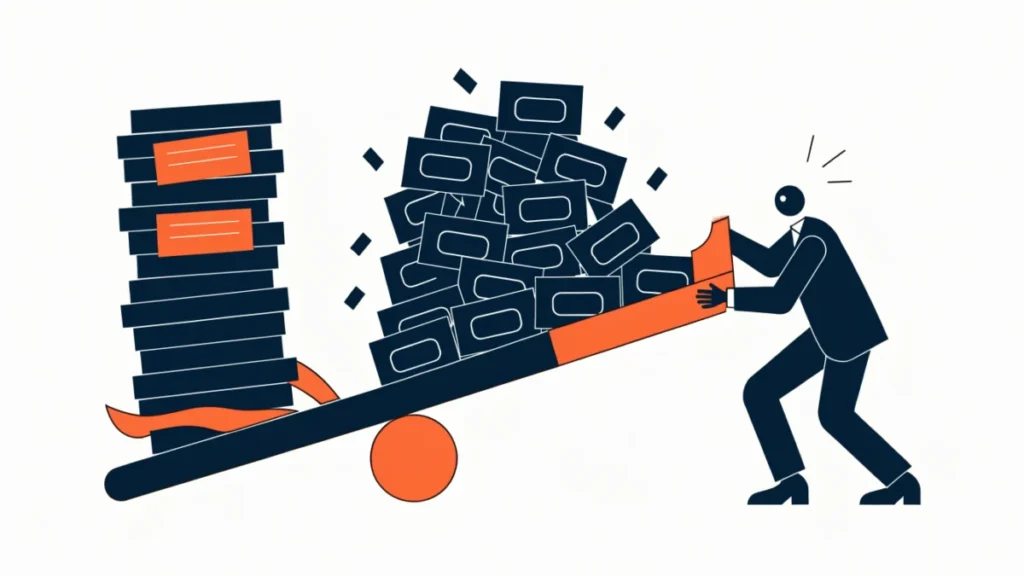
High and low gearing explained, the kinds of capital a business uses, and how the gearing ratio shapes risk, returns and control.
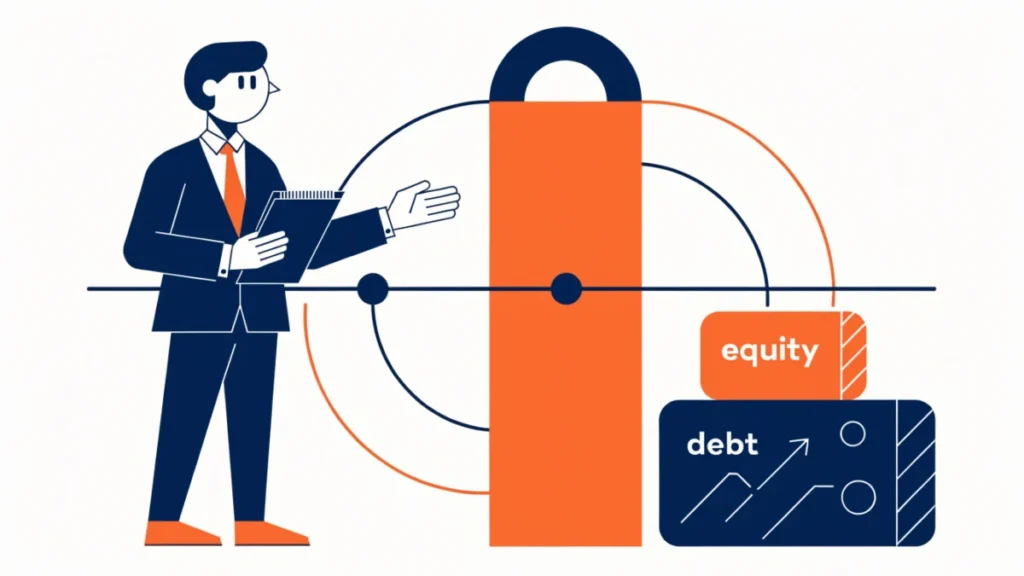
What cost of capital means, its key features, and why it matters for investment decisions, financing choices and balancing income, risk and control.

Competition and cooperation, social awareness, respect for labour, a high drive to achieve and more: the mental and social forces behind entrepreneurship.
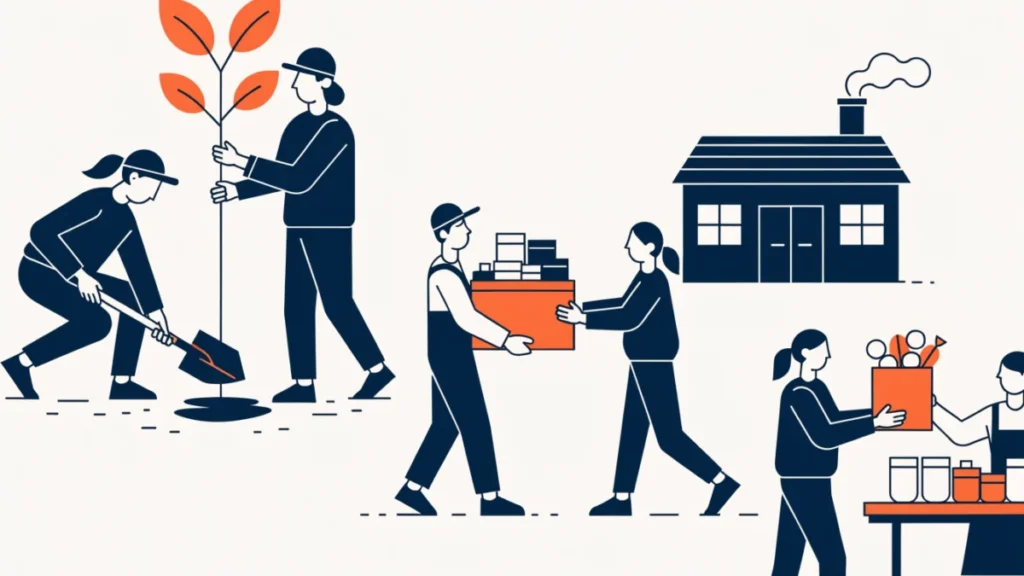
Social responsibility helps firms compete, meets legal and policy demands, builds new social values and supports democratic management.
How entrepreneurs spread industry beyond big cities by reading local markets, using government incentives and local resources, and narrowing gaps.