
Top 5 Types of Distribution Channels in Marketing (Explained)
Direct, indirect, mixed and cooperative channels plus vertical marketing systems: how each gets products to buyers and which suits your business.
Free, plain-English guides on entrepreneurship, marketing, accounting, economics, finance and management, with Indian examples and current data.
Direct, indirect, mixed and cooperative channels plus vertical marketing systems: how each gets products to buyers and which suits your business.
Skimming, penetration, discounts and allowances, geographic pricing, one-price vs variable pricing and psychological pricing: the main pricing policies.
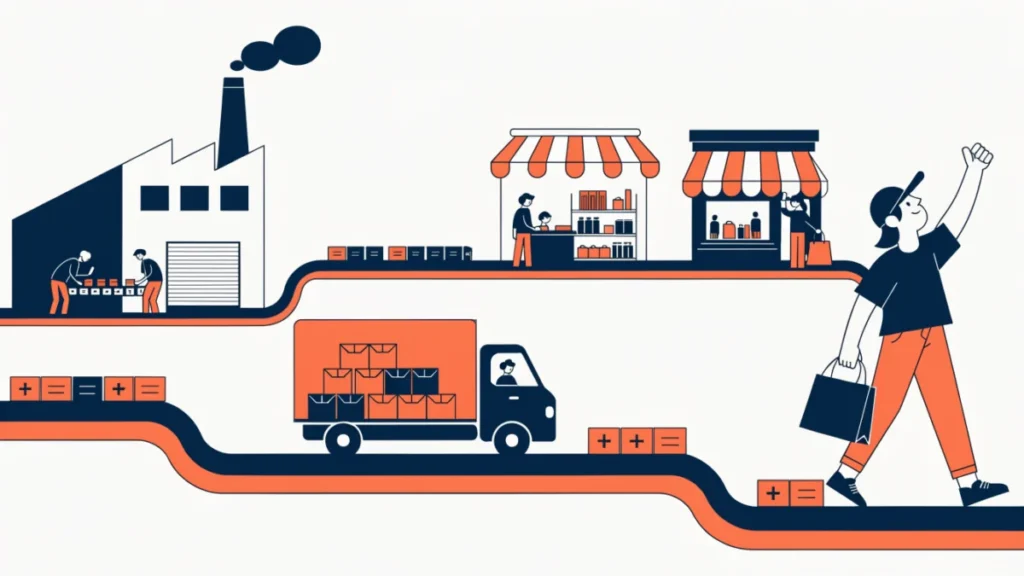
What a distribution channel is, the traits every channel shares, and the jobs intermediaries do to move goods from the maker to the end buyer.
Cost-plus, marginal cost and break-even pricing, plus pricing above, below or level with the market. How each method works and when to use it.
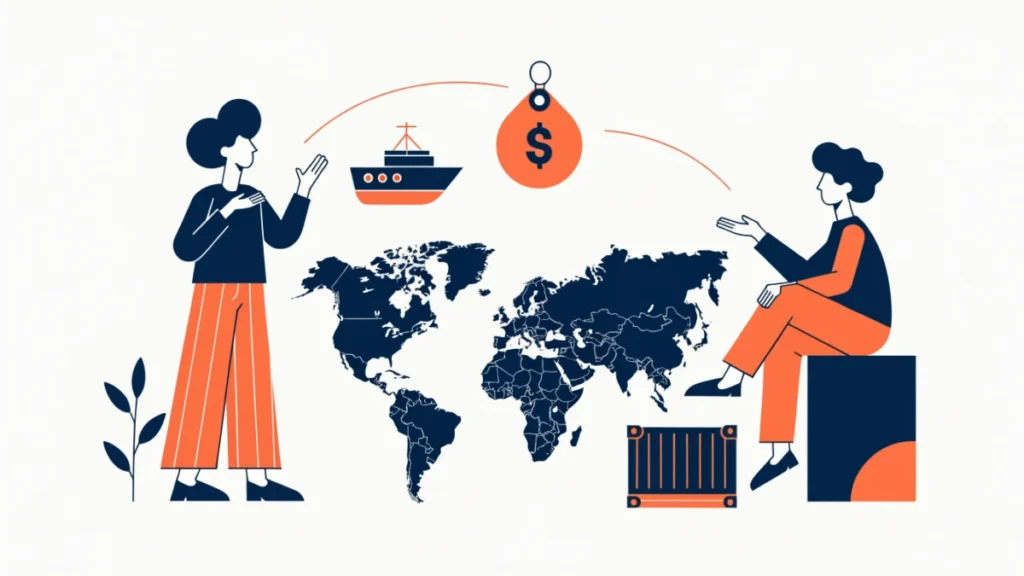
EXW, FCA, CPT, CIP, DAP, DPU, DDP, FAS, FOB, CFR and CIF: who pays freight and insurance and where risk passes, term by term (Incoterms 2020).
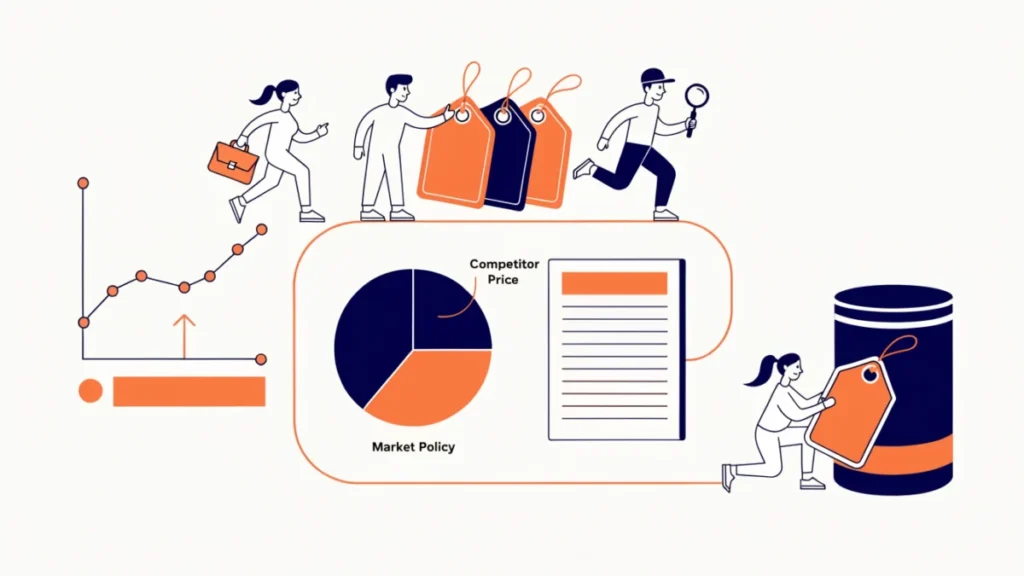
Estimate demand, anticipate rivals, gauge market share, check company policy, choose a pricing policy and set the final price. Each step explained.
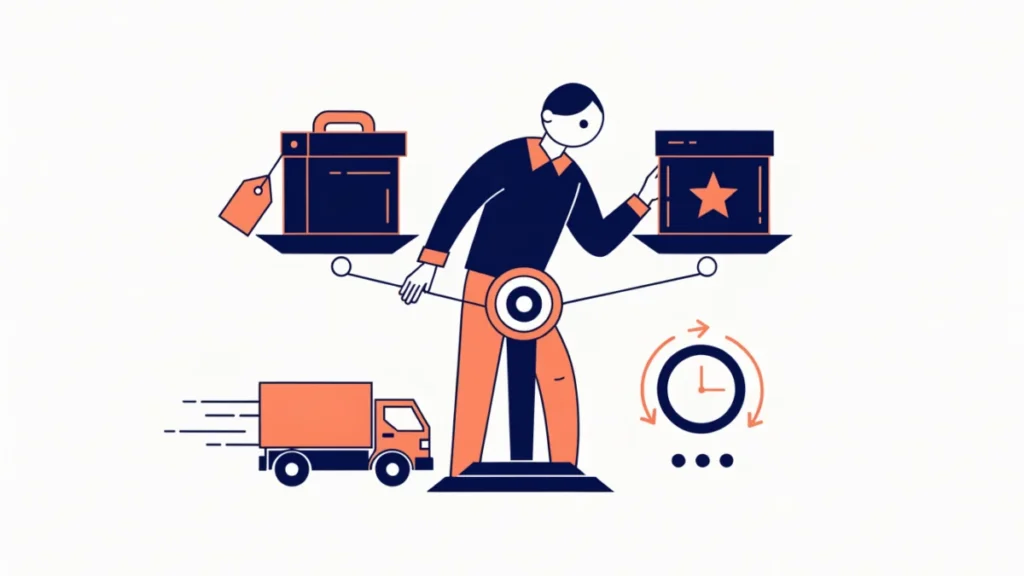
How price shapes buying, and the non-price factors that often matter more: country of origin, brand image, delivery speed, service and more.
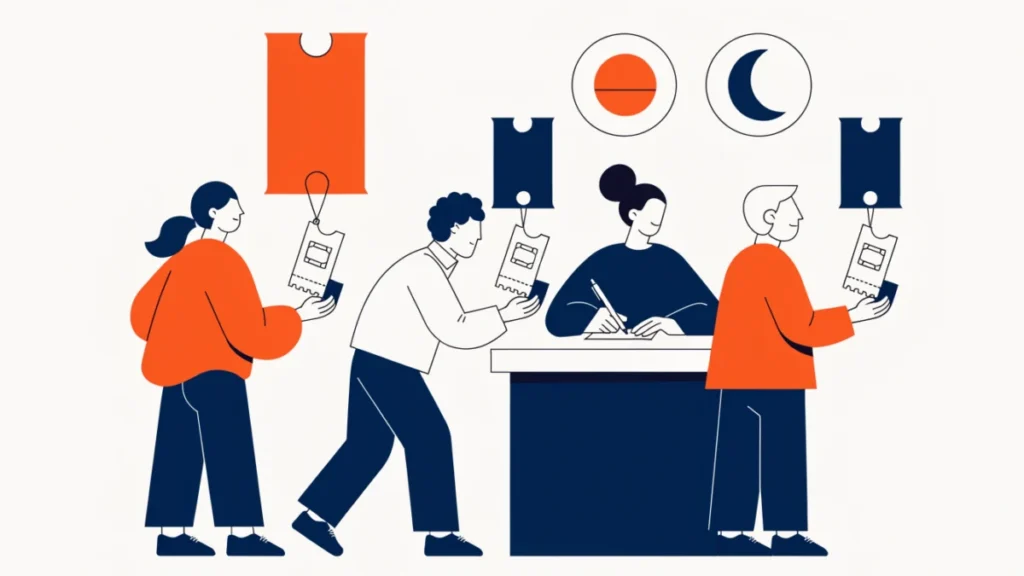
Charging different prices to different buyers: personal, geographic, class, time-based and other types of price discrimination, and why firms use it.
Monopoly power, agreements with rivals, made-to-order sales, buyer ignorance and different demand elasticities: when price discrimination is possible.
Costs, pricing goals, brand position, product life cycle, demand, competition and more: 14 internal and external factors that decide what you can charge.