
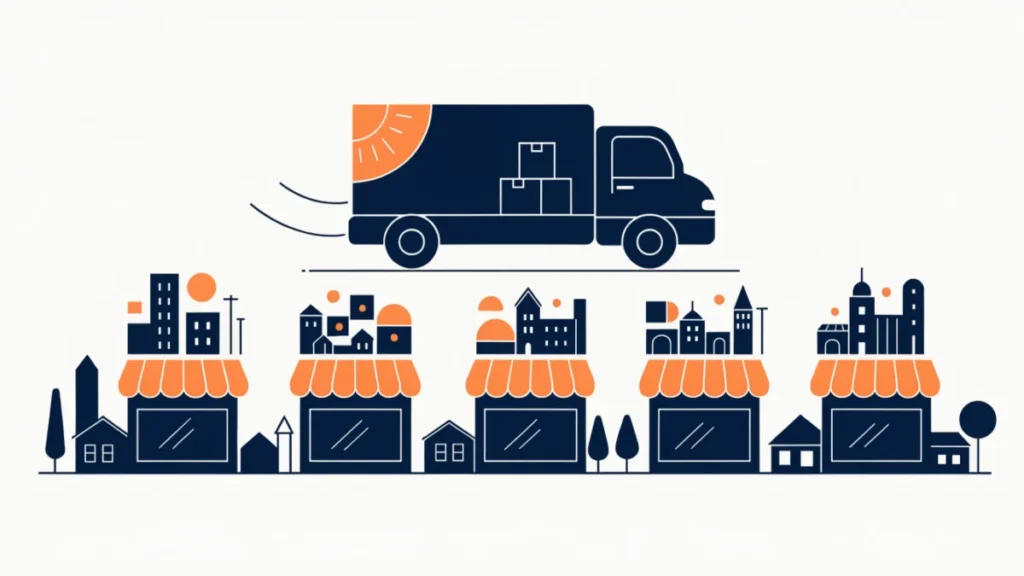
15 Advantages and Disadvantages of Chain Stores (Multiple Shops)
Bulk buying, lower prices, shared advertising, spread risk and fast stock turnover, set against the drawbacks of central control. Both sides explained.
Free, plain-English guides on entrepreneurship, marketing, accounting, economics, finance and management, with Indian examples and current data.
Bulk buying, lower prices, shared advertising, spread risk and fast stock turnover, set against the drawbacks of central control. Both sides explained.
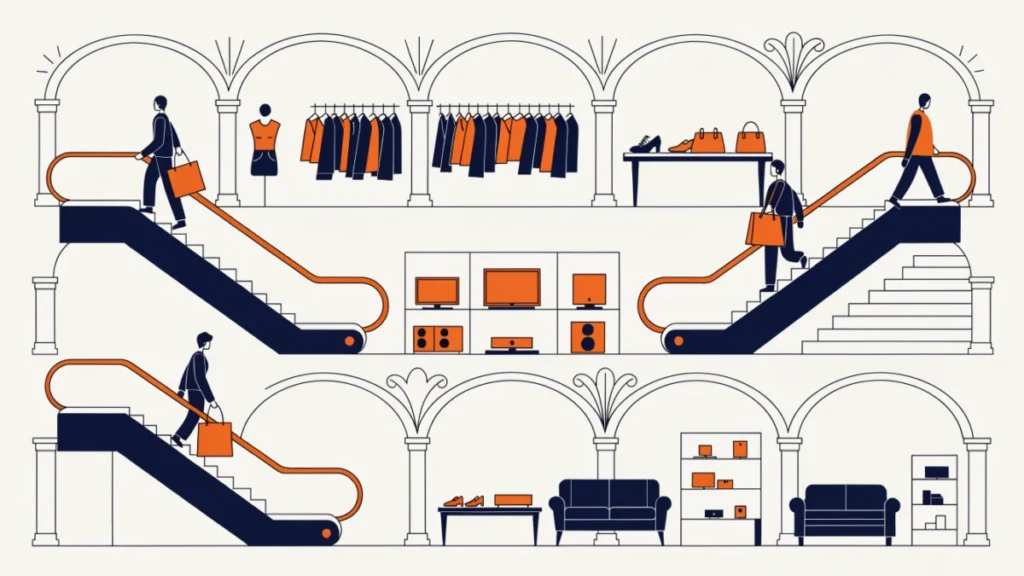
Bulk buying, shared advertising and overheads and many services under one roof, set against the costs and drawbacks. Both sides explained.
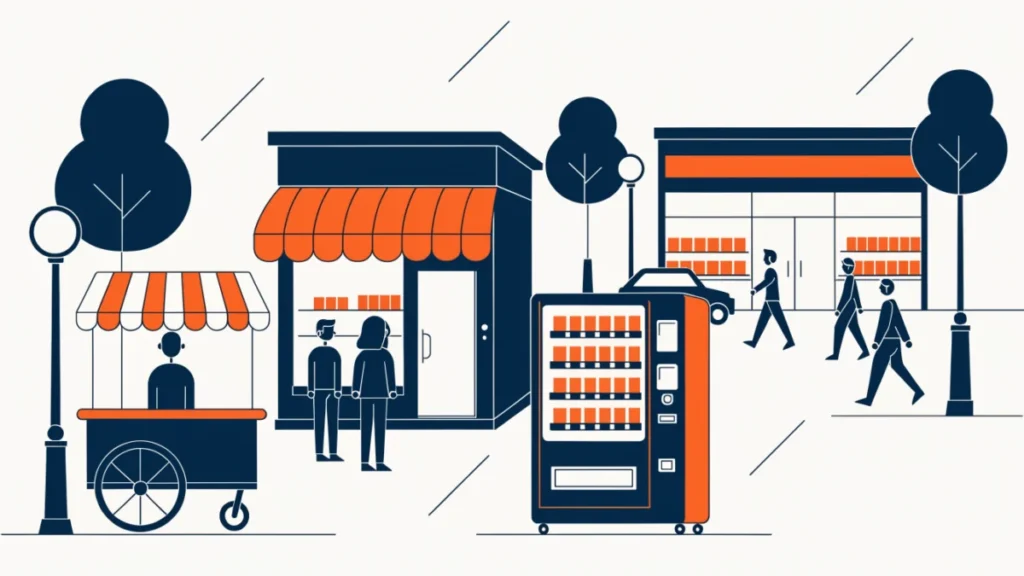
Street sellers, hawkers, periodic markets, stalls, second-hand dealers, specialty and general stores and more: how each kind of retailer works.
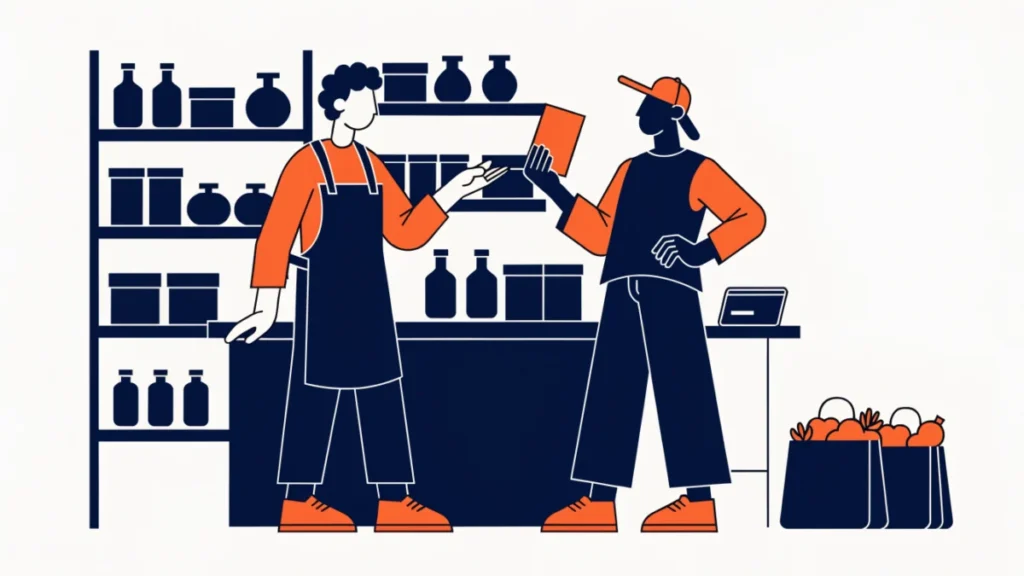
Retailers promote new products, sell in small lots, track buyer habits, take load off wholesalers and offer credit. 15 functions and services explained.
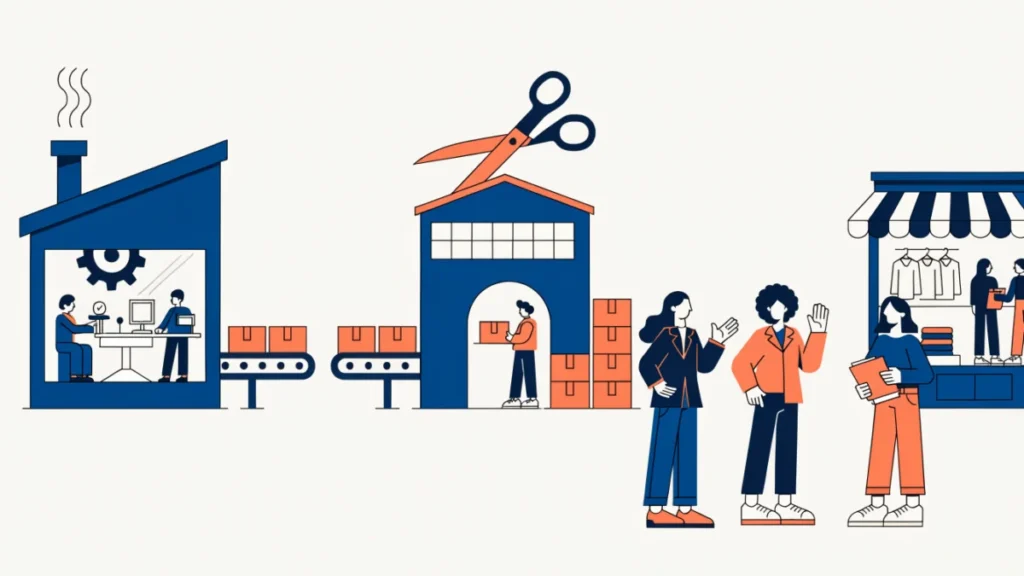
Wholesalers add to prices and producers can sell direct, but they also store, finance and carry risk. 14 arguments on both sides, weighed fairly.
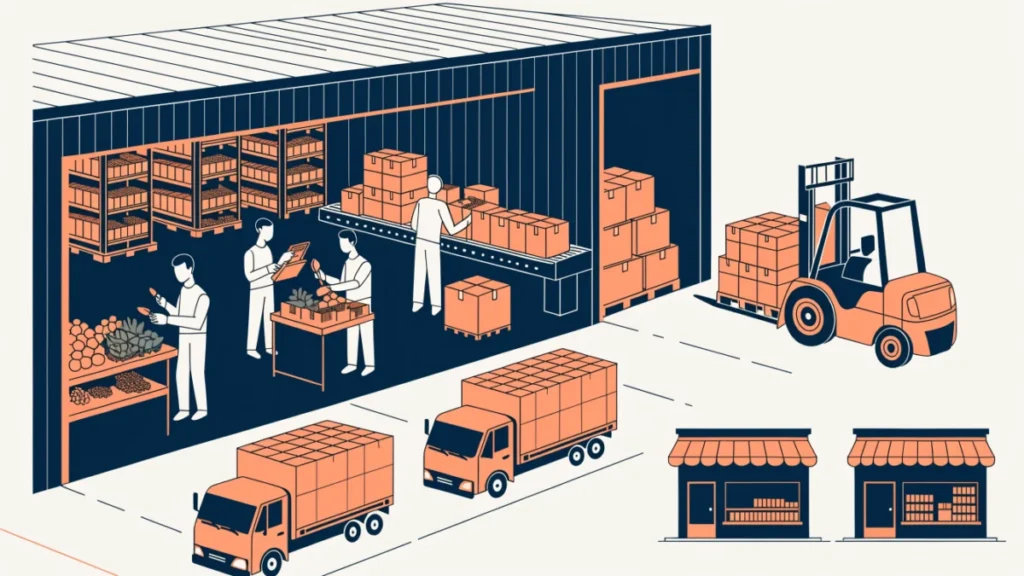
Assembling goods, breaking bulk, storage, transport, credit and risk bearing: the 11 jobs wholesalers do for makers and retailers, explained simply.
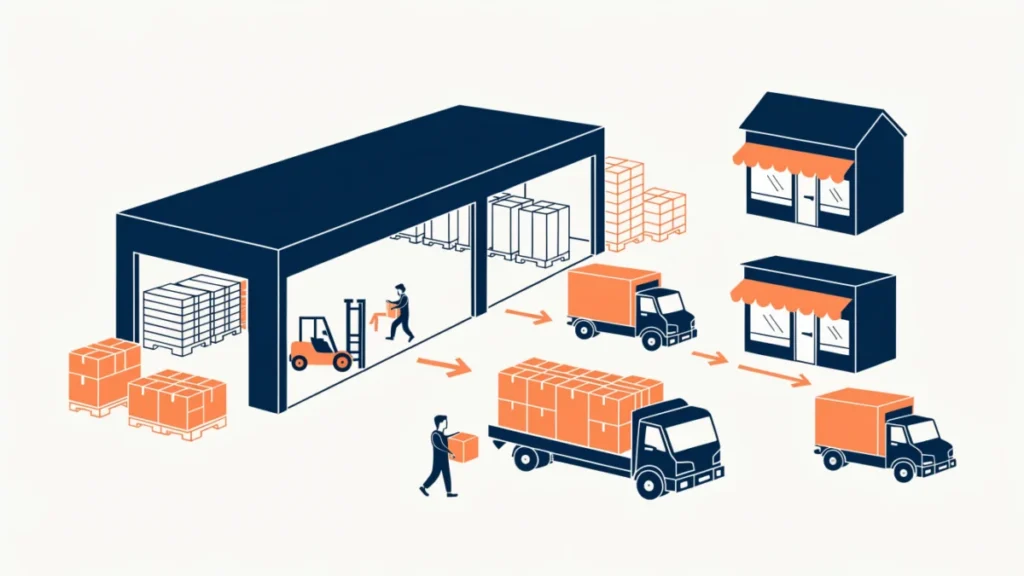
Manufacturer, retailer, mill supply, single-line, full-line, local wholesalers and more: how each type operates and which businesses they serve.
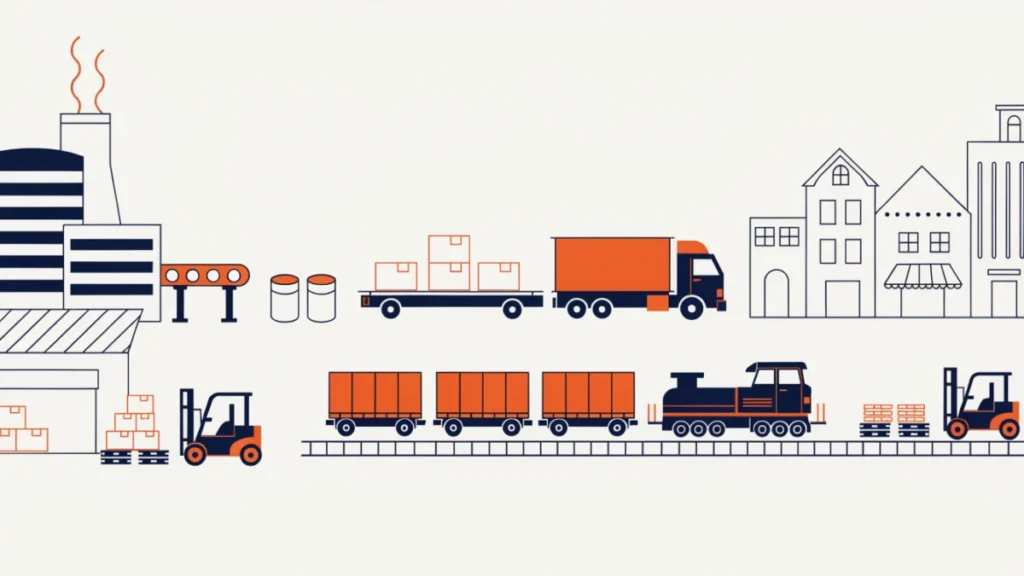
What logistics and physical distribution mean according to leading definitions, the features that define them and the objectives they serve.
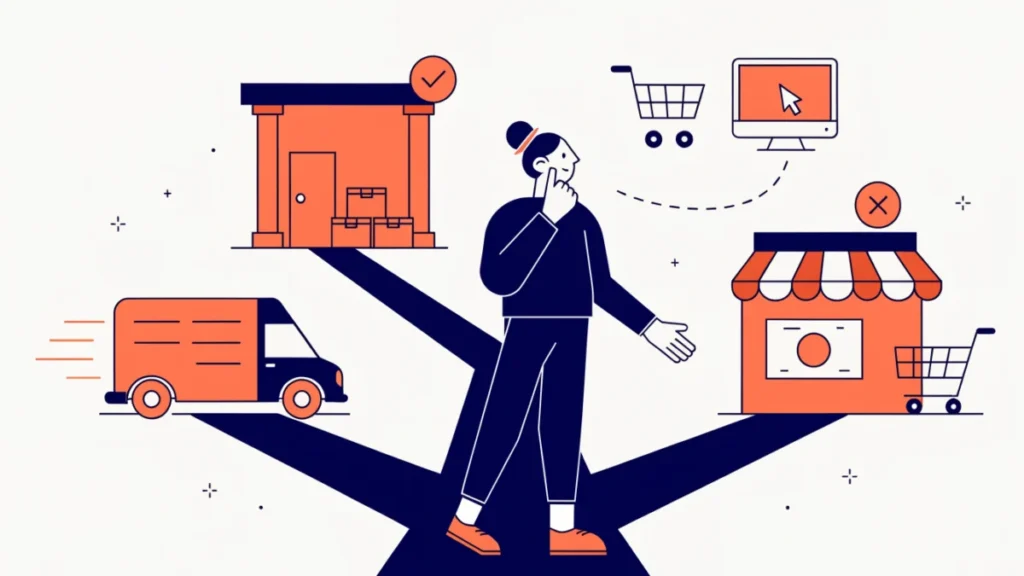
Product, company, market and customer, middlemen and environmental factors that decide your channel, plus a quick guide to choosing the right one.
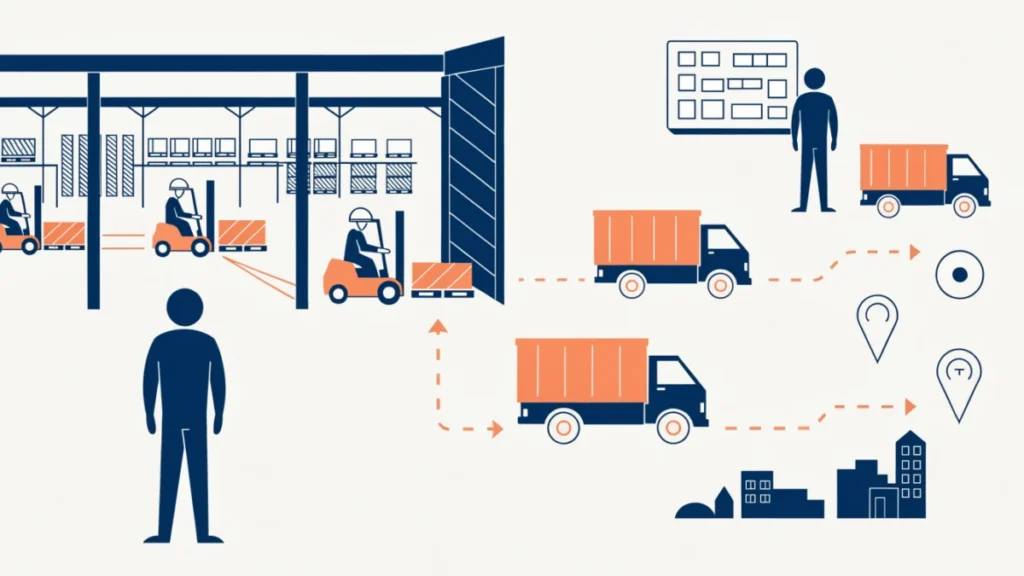
Where to put warehouses, how to control inventory, how to handle materials, how to process orders and how to plan transport: the core decisions.