

27 Common Barriers to Effective Business Communication (With Examples)
Personal and cultural barriers, poor listening, vague messages, information overload, tech hiccups and hierarchy: why messages get lost, with examples.
Free, plain-English guides on entrepreneurship, marketing, accounting, economics, finance and management, with Indian examples and current data.

Clear communication keeps work moving, aligns goals, speeds decisions, boosts teamwork and keeps customers happy. Why it matters, point by point.
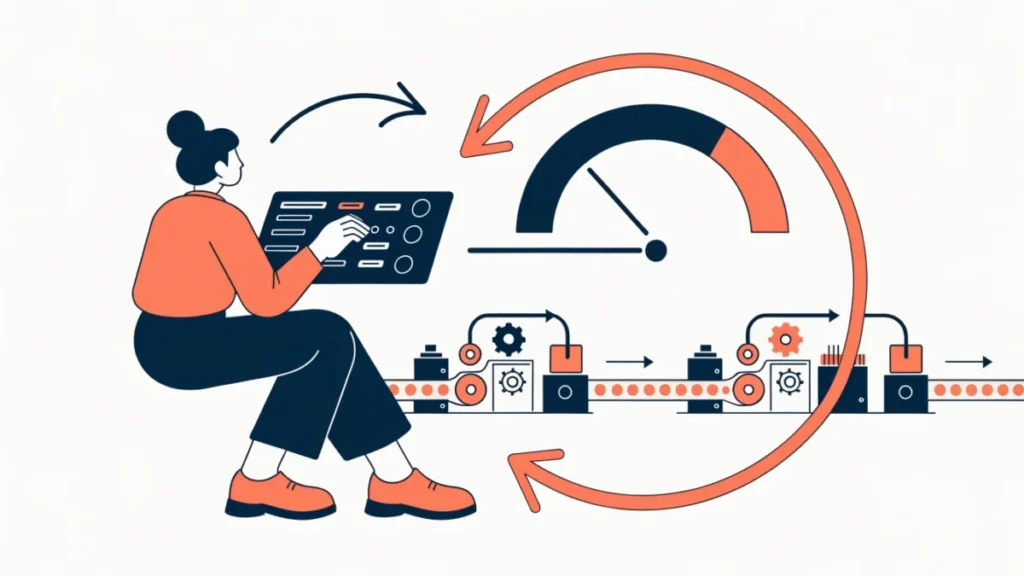
Set objectives, decide what matters, assign responsibility, build checks and standards: the elements that make management control work.

The manager’s ability, time for supervision, nature of the work, company plans, staff skills and control techniques: how many people one boss can lead.

Maslow, Herzberg, McGregor, Alderfer and McClelland, plus the process theories: how each explains what drives people at work, with examples.

Theory X assumes people avoid work and need control, Theory Y assumes they seek responsibility. What each means for managers and which to use when.

Hygiene factors stop dissatisfaction, motivators build real drive. How Herzberg’s theory works, how it compares with Maslow, and where it falls short.

Maslow’s levels of need from basic to self-actualisation, the key features of the theory and what it means for motivating people at work.
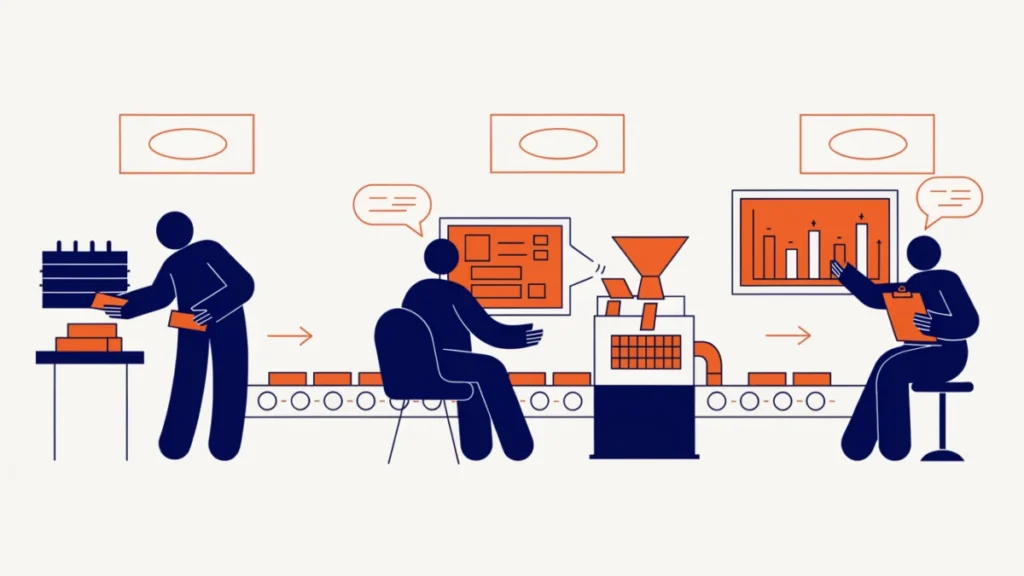
Feedforward control prevents problems, concurrent control catches them as work happens, feedback control learns from results. How each type works.

Set standards, measure results, compare, analyse the gap, correct it and feed it back into planning. The control process with a worked example.