
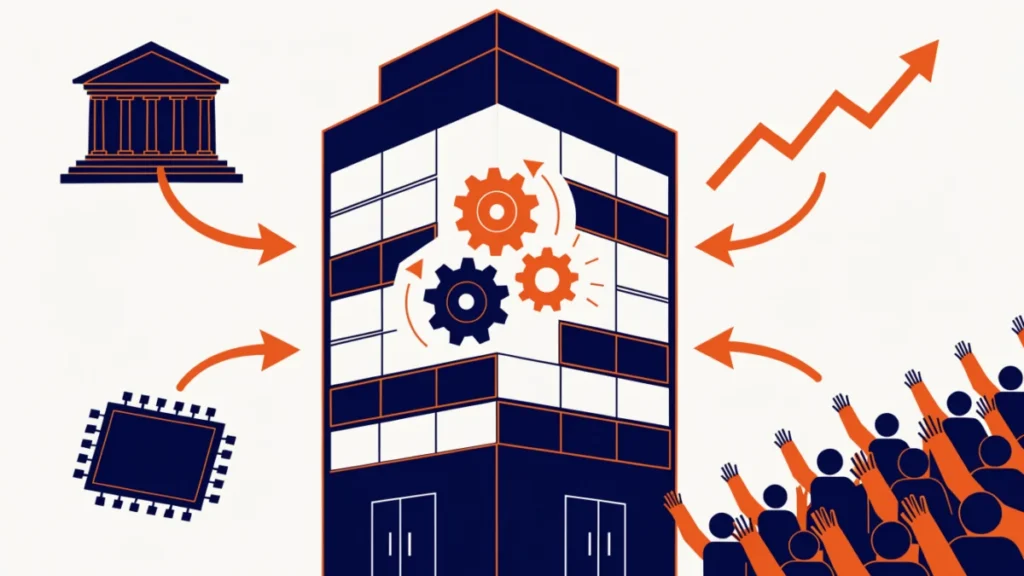
7 Major Internal and External Forces of Organizational Change
Changes in managers and staff and weak systems inside, political forces and market conditions outside: the 7 forces that push organisations to change.
Free, plain-English guides on entrepreneurship, marketing, accounting, economics, finance and management, with Indian examples and current data.
Changes in managers and staff and weak systems inside, political forces and market conditions outside: the 7 forces that push organisations to change.

What organisational change is, its key characteristics and how it shows up in structure, people and technology, explained in plain words.
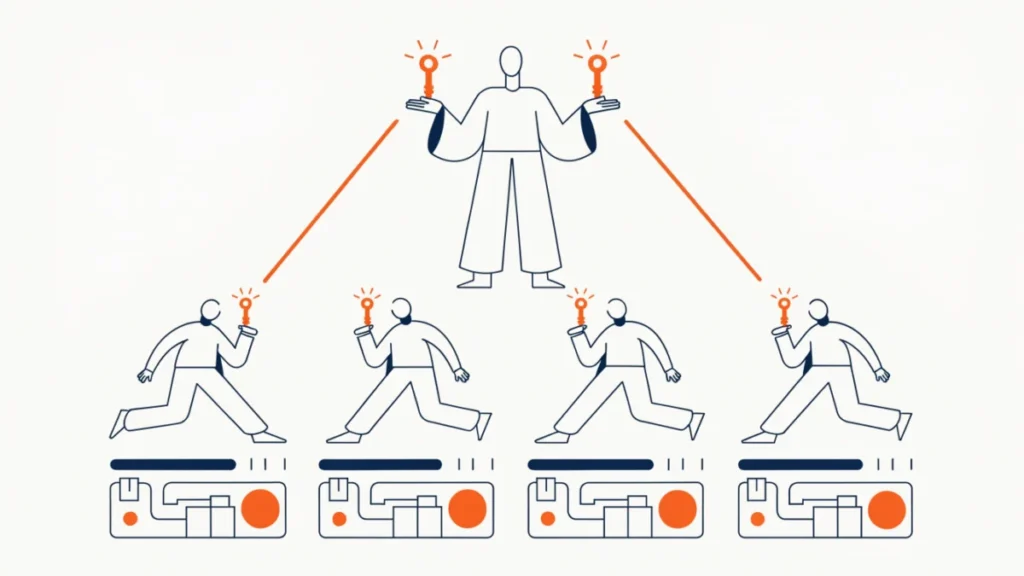
Decentralization motivates managers, speeds decisions and develops leaders, but it costs more and can weaken control. Merits and demerits explained.
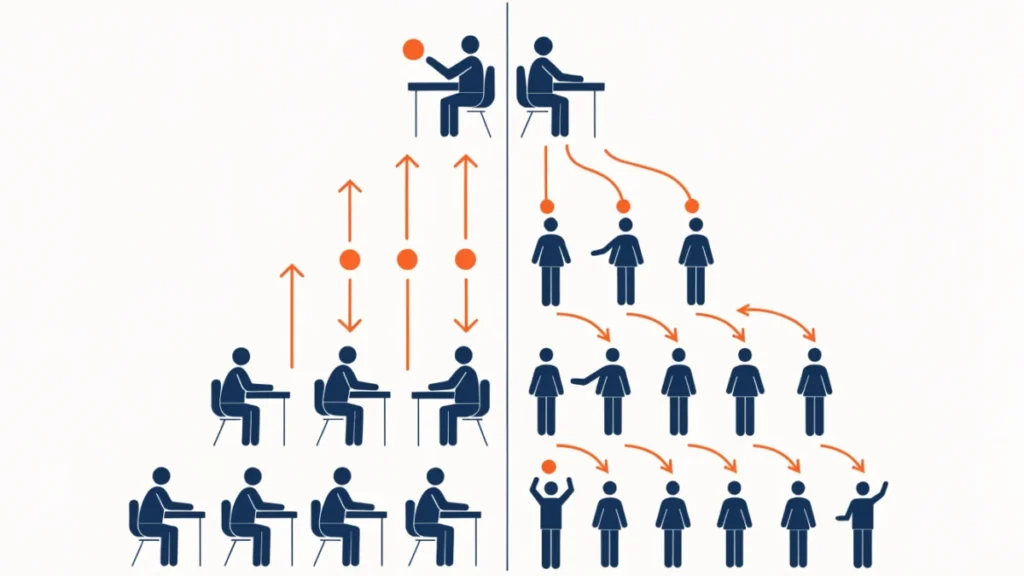
What centralization and decentralization mean, how they differ, when each works best, and how both relate to delegation of authority.

How each ledger system works, 7 key differences between self-balancing and sectional balancing, and which one suits your business.
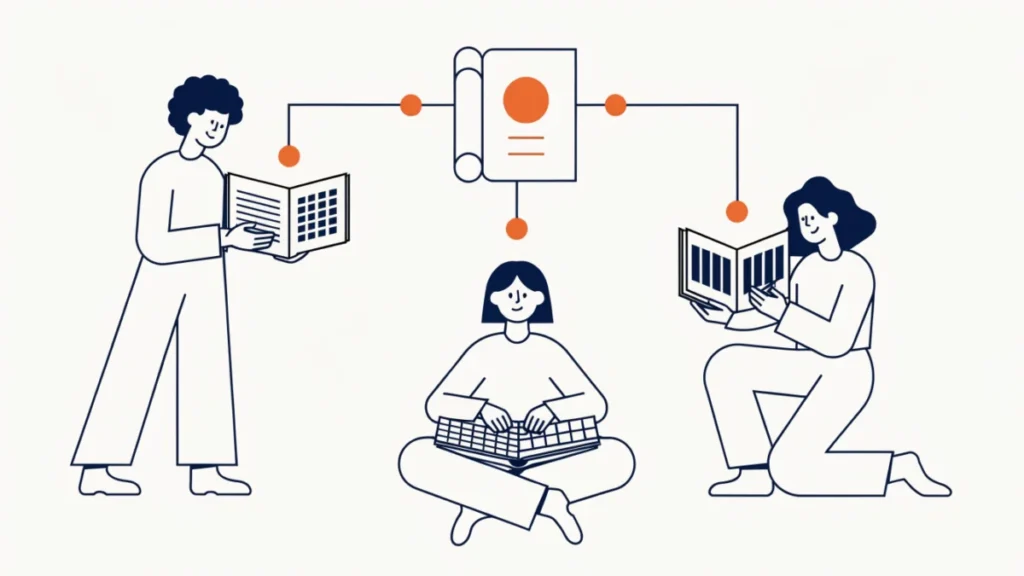
Division of work, less fraud, early error detection, proof of accuracy, quicker final accounts and confidential records: why these systems help.
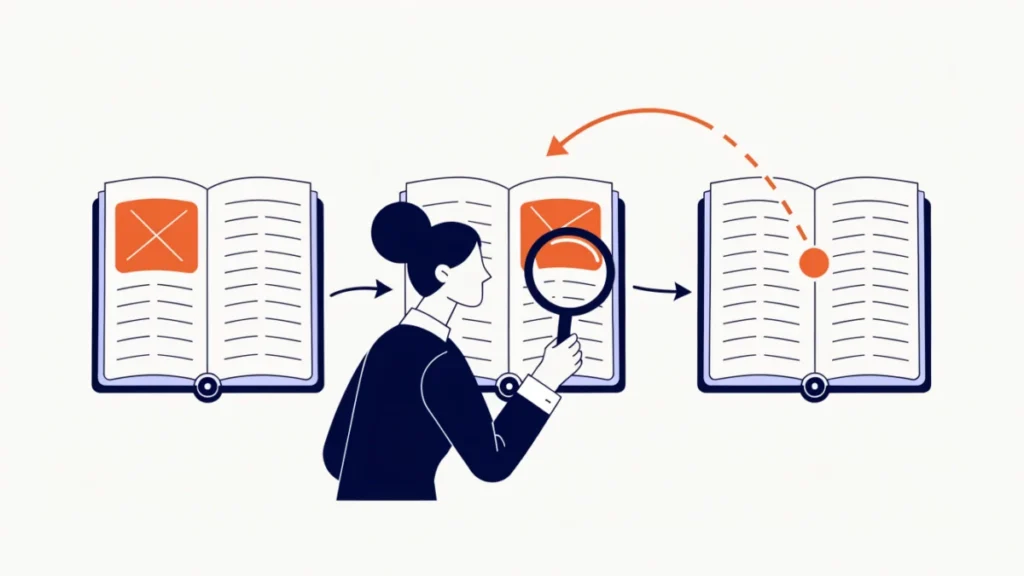
How to correct errors that affect totals, errors within one ledger and errors across ledgers in a self-balancing system, with worked examples.
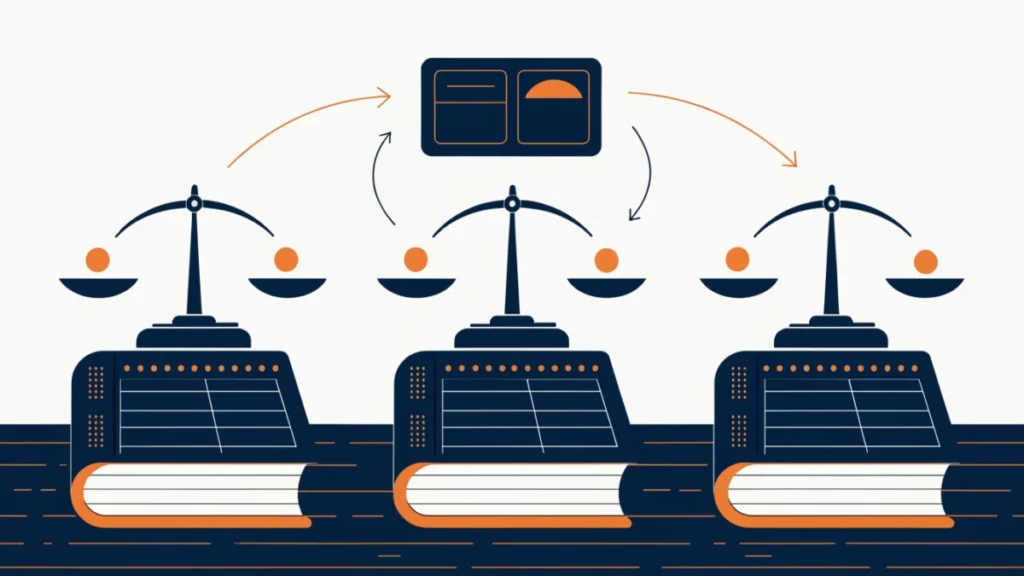
How the self-balancing ledger works, why each ledger gets its own control account, and worked illustrations showing the entries step by step.

When to move a balance from one ledger to another, a worked set-off example, the matching general ledger entry and quick rules to remember.
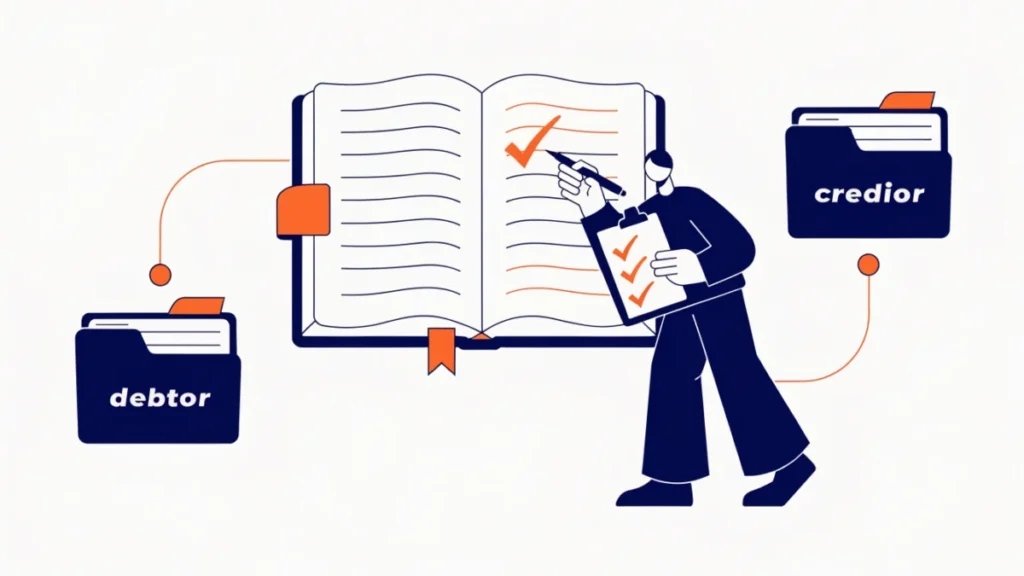
How the sectional balancing system works, how total debtors and total creditors accounts are kept, and how it helps check the accuracy of ledgers.