

What Must an Entrepreneur Do After Creating a Business Plan? (23 Steps)
Refine the plan, set goals, test the market, choose a legal structure, get permits and track KPIs: the steps that turn a plan into a running business.
Guides on marketing, advertising, sales management, distribution and retail, with Indian examples.
Refine the plan, set goals, test the market, choose a legal structure, get permits and track KPIs: the steps that turn a plan into a running business.

Benchmarking shows where you fall behind and sets realistic targets, but it has costs and blind spots too. 17 pros and cons, and how to avoid the traps.
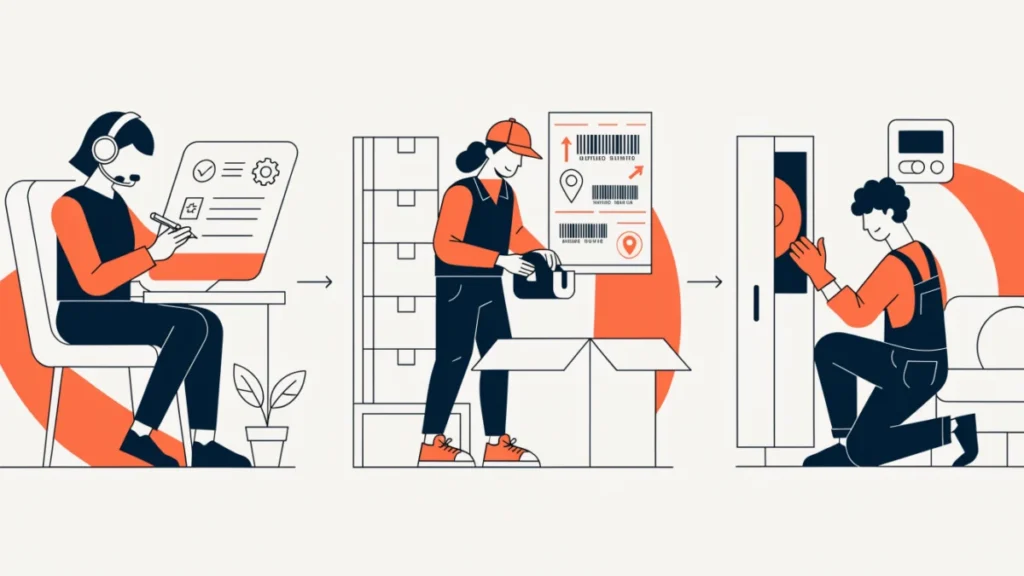
Customer service before, during and after the sale: written policies, flexible systems, order handling, delivery and follow-up, each explained.
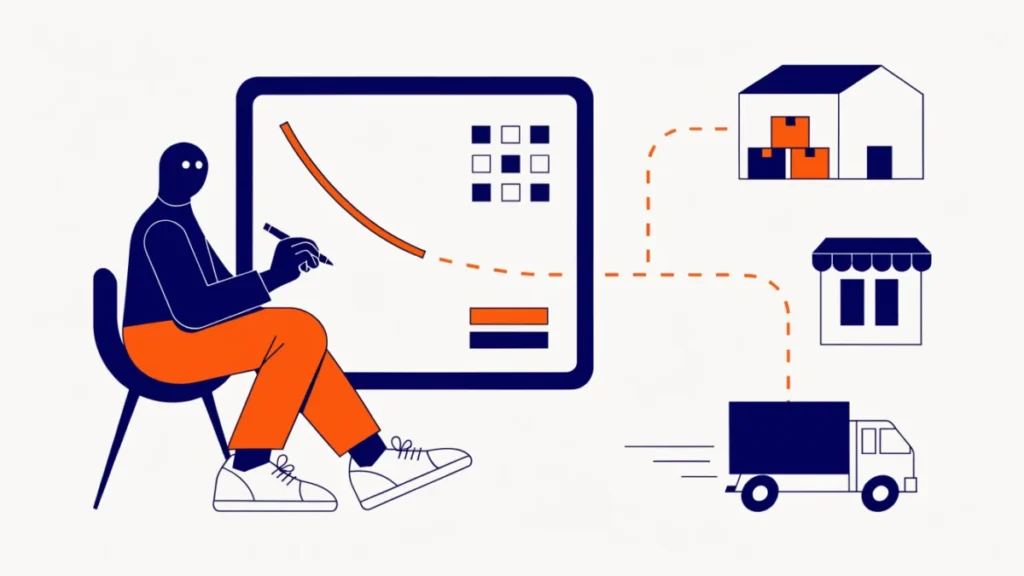
Set objectives, link demand planning, find what drives demand, segment customers, pick a forecasting method and track accuracy. Each step explained.
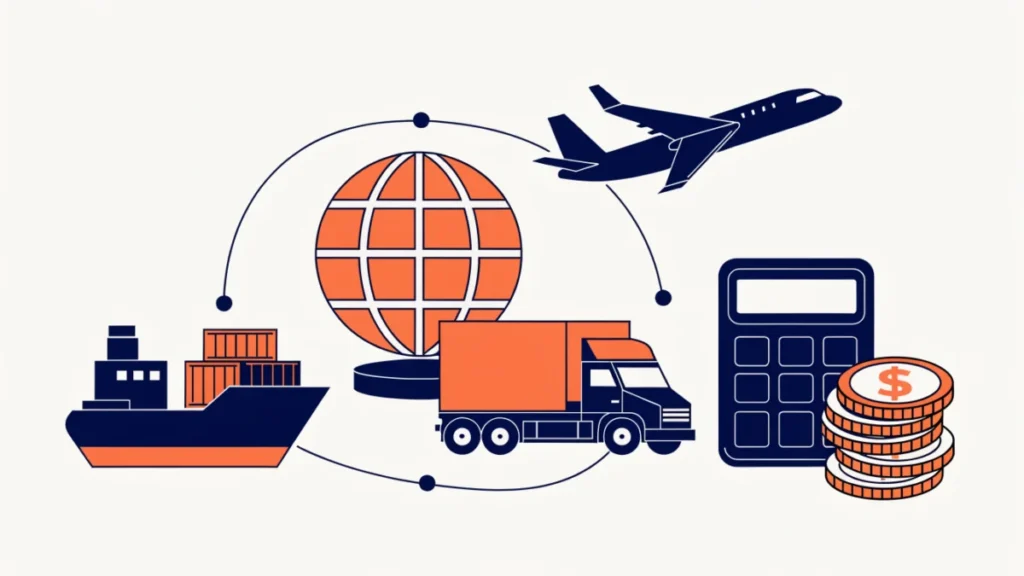
Deregulation, changing consumer behaviour, new technology, the growing power of retailers and global trade: what pushes logistics costs up or down.
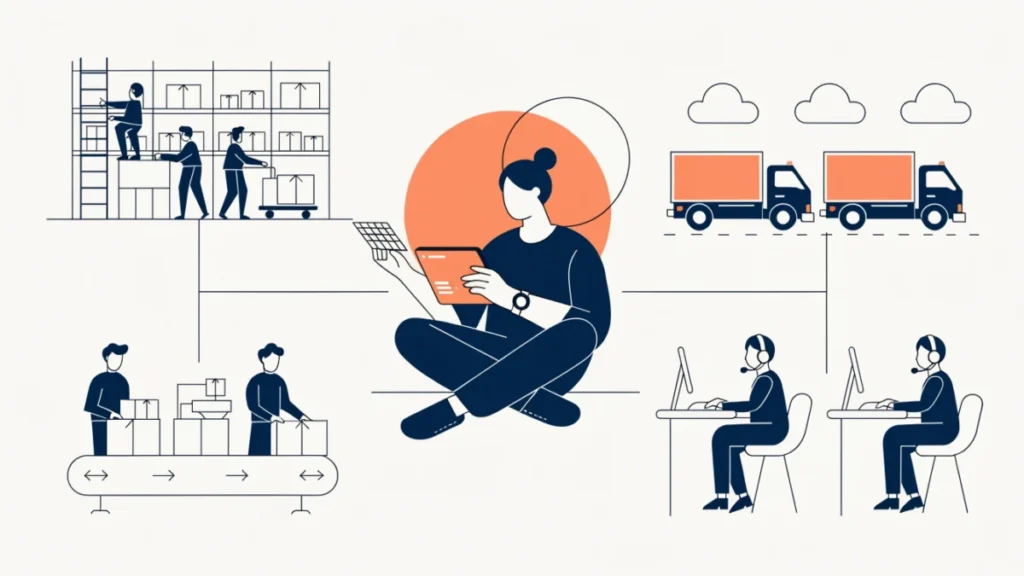
Transport, warehousing, packaging, material handling, inventory forecasting and production planning: what a logistics manager looks after every day.
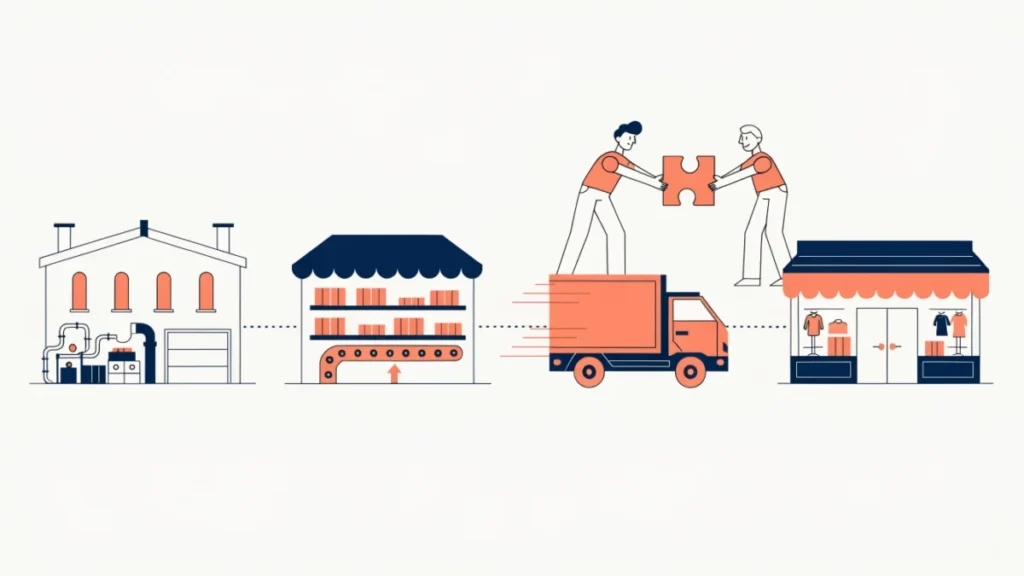
Higher manufacturing, inventory, transport and labour costs, longer lead times and empty shelves: what poor coordination does and how to fix it.
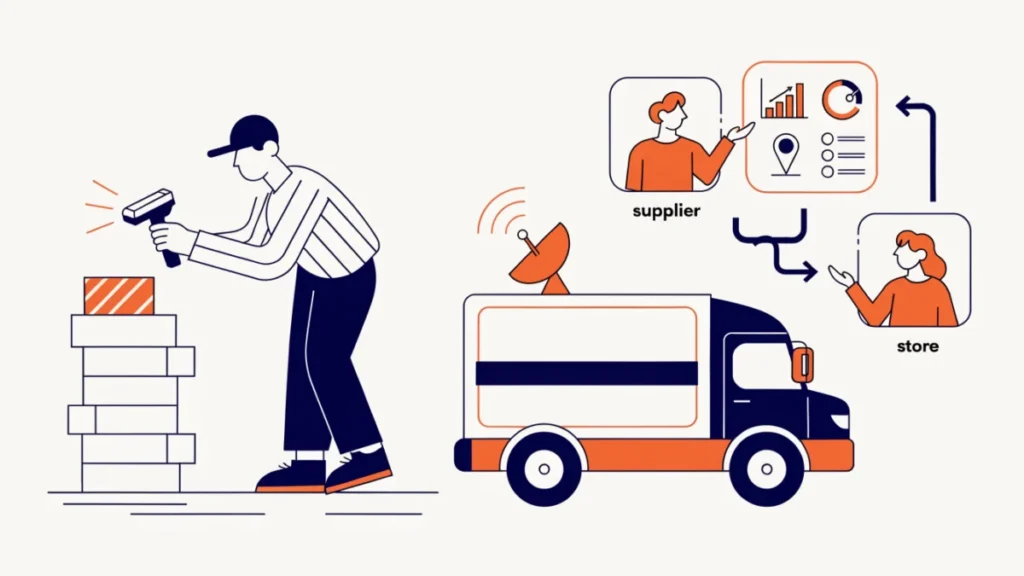
Barcodes, EDI, XML, data management, imaging, AI systems and more: the technologies that keep logistics and supply chains visible and fast.
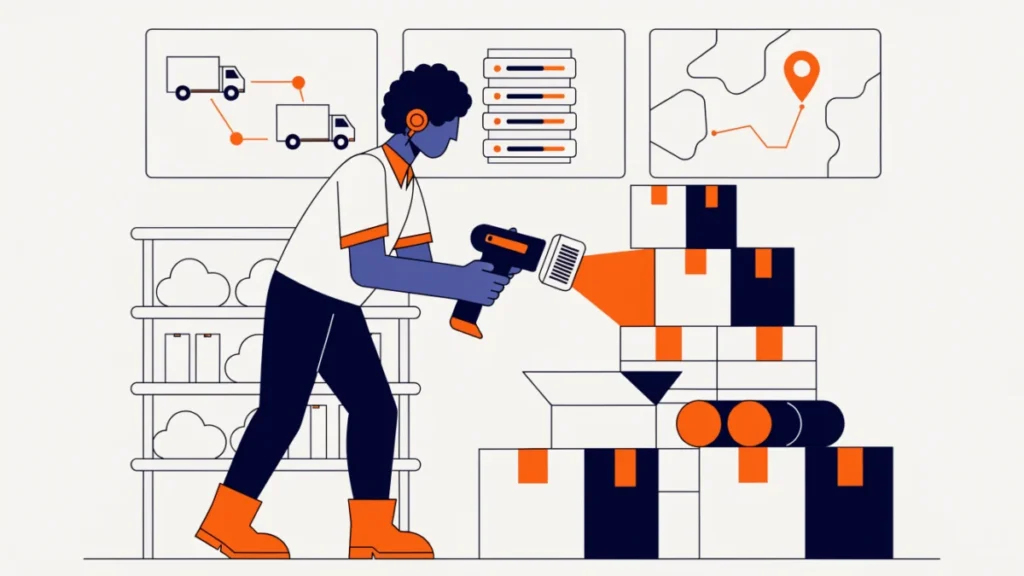
IT manages supply chain information, joins up software, supports decisions, digitises orders and gives firms an edge. 7 reasons it matters.
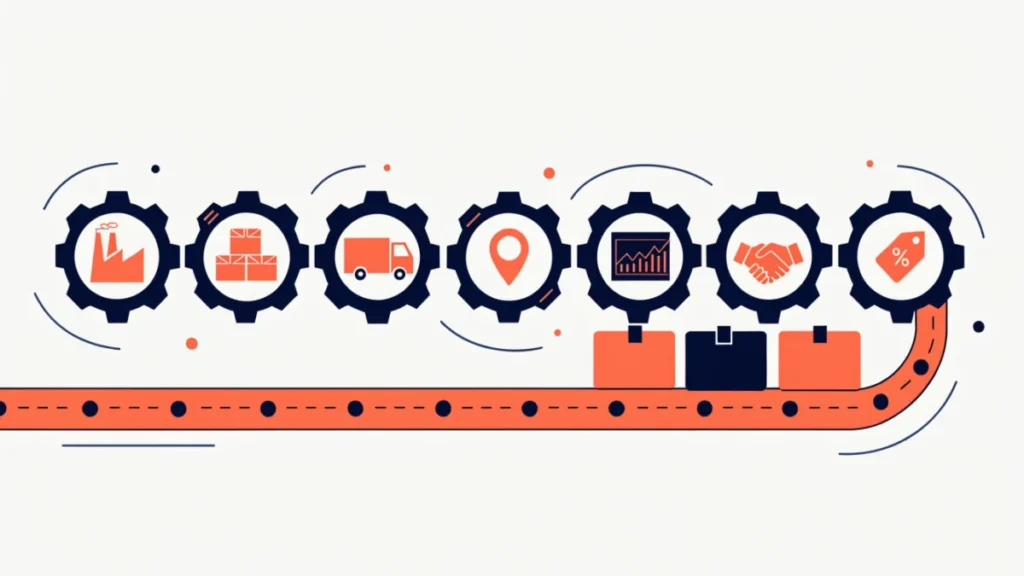
Facilities, production, inventory, transport, information, sourcing and pricing: how each driver shifts the balance between cost and responsiveness.