

Industrial Relations: Meaning, Types, Need and Importance
What industrial relations means, its main types, why firms need good relations with workers, and how they keep production running and disputes down.
Demand, costs, pricing, market structures and economic systems for better business decisions.
What industrial relations means, its main types, why firms need good relations with workers, and how they keep production running and disputes down.

How social injustice shows up in HDI, gender gaps, poverty and labour conditions, why it matters to business and what can be done about it.

Unclear goals, the wrong location or size, government policy, money troubles, weak structure, marketing and legal hurdles: 13 common business challenges.
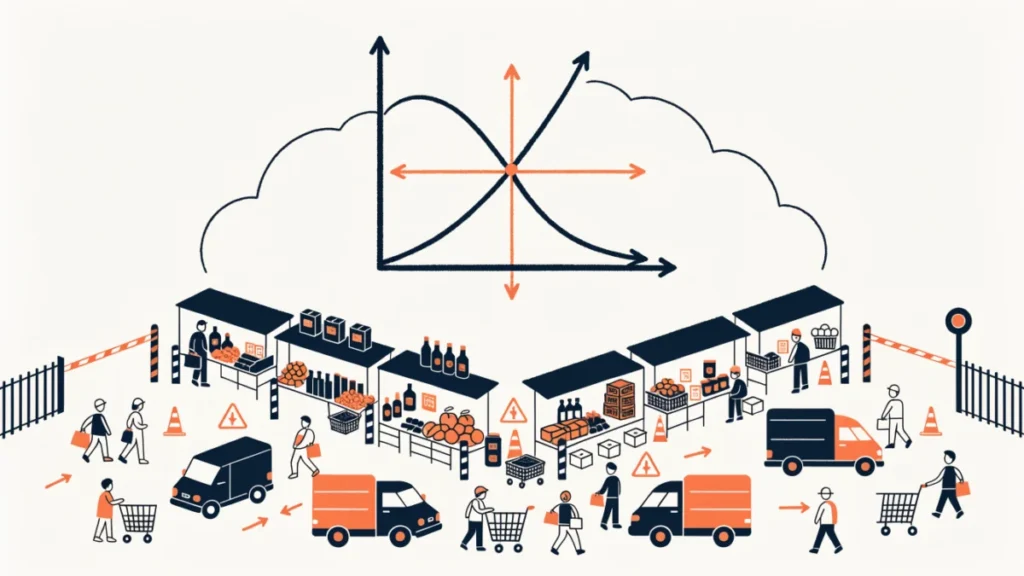
Too few sellers, entry barriers, artificial restrictions, products that differ, imperfect knowledge and immobile factors: why real markets fall short.

Private property, freedom of choice, the profit motive, the price mechanism, competition, consumer sovereignty and a small state, with examples.
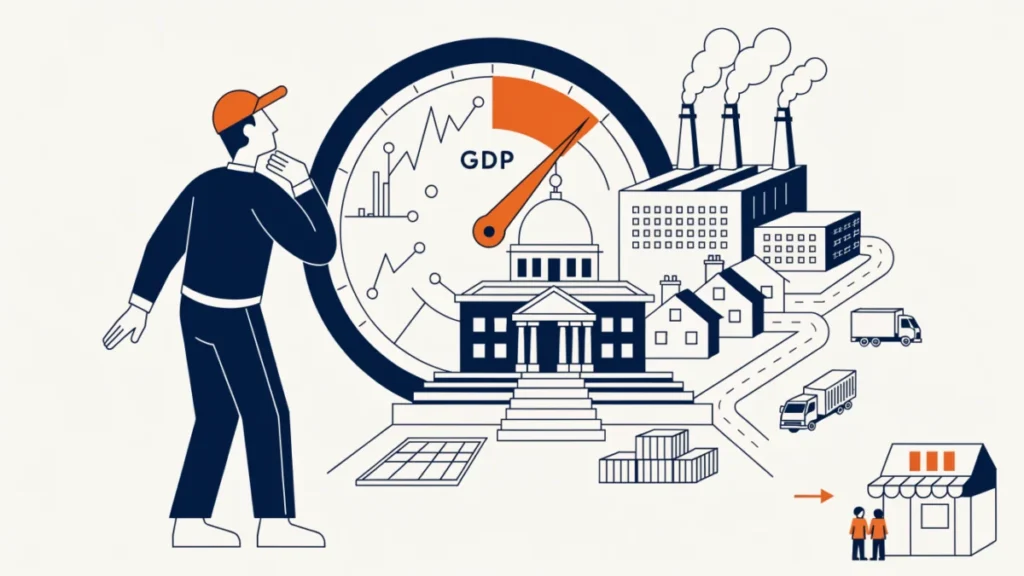
How macroeconomics studies the economy as a whole, its main types with diagrams, and where it falls short, from ignoring individuals to wrong forecasts.

Micro static, comparative static and dynamic analysis explained with diagrams, plus the scope of microeconomics from consumption to production.
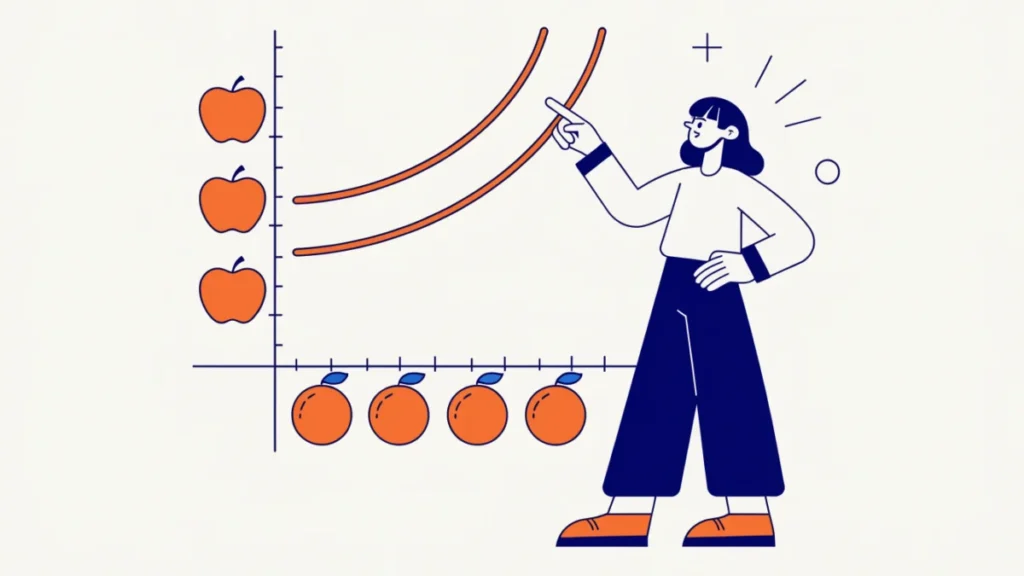
Why indifference curves slope down, never cross, sit higher for more satisfaction and bow towards the origin. All 8 properties with clear diagrams.

Test management against the marks of a true profession, from a body of knowledge and formal training to a code of ethics, and see where it falls short.

Management uses tested principles like a science and personal skill like an art. Both sides explained with examples, plus whether it counts as a profession.