

8 Major Reasons for Not Establishing Sales Territories (Explained)
Small or local businesses, sales built on personal relationships, high-tech selling and few specialists: when sales territories do more harm than good.
Guides on marketing, advertising, sales management, distribution and retail, with Indian examples.
Small or local businesses, sales built on personal relationships, high-tech selling and few specialists: when sales territories do more harm than good.
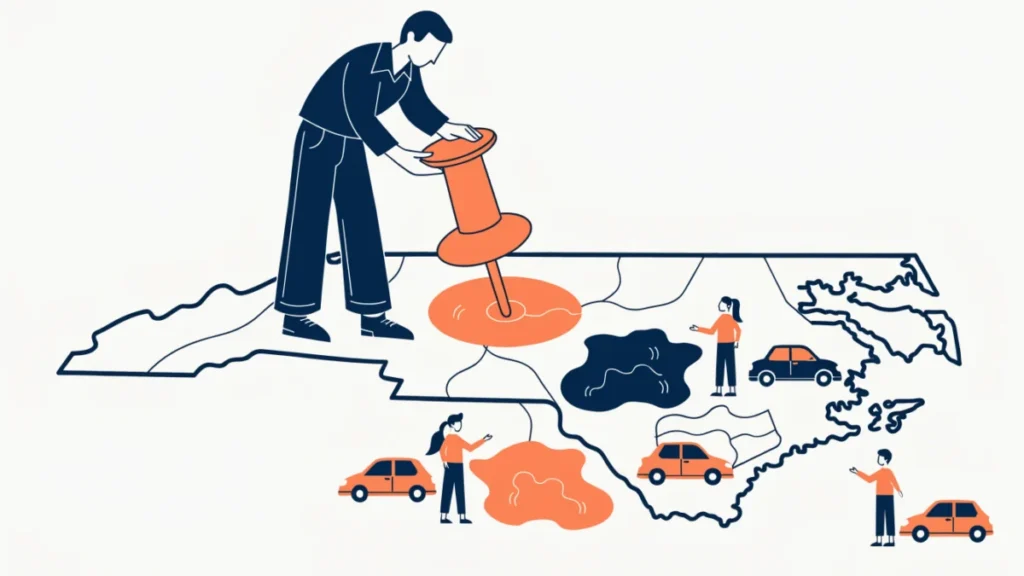
Territories lift sales, improve customer coverage, match effort to potential, make planning realistic and keep selling costs in check.

Shaky sales estimates, subjective judgement, time and cost, complex statistics and targets set too high or too low: the problems with sales quotas.

Accuracy, fairness, attainability, objectivity and simplicity: the principles that make sales quotas motivate rather than frustrate your team.

Forecasts and potentials, past experience, executive judgement, salespeople’s own estimates and pay-linked quotas: how to set targets that are fair.

Quotas set performance standards, control sales and costs, motivate the right effort, power sales contests and reflect the overall sales plan.

Survival, maximum profit, target margins, higher volume, market share, brand image and stable prices: the goals a business sets before it prices.
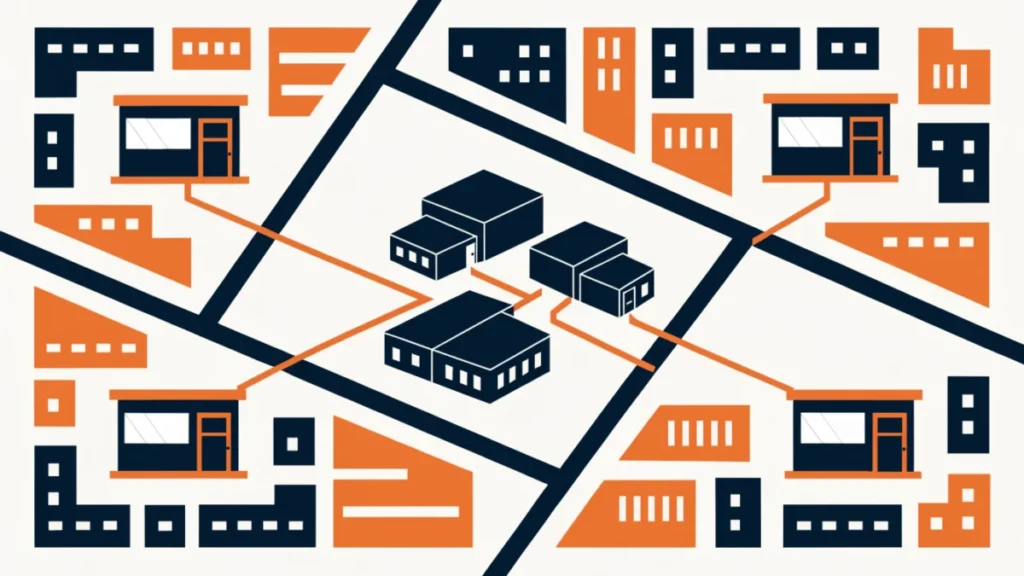
Large-scale retailing close to customers, the same product lines in every branch, convenience goods, specialisation and standard prices and layouts.

Self-service, a wide range under one roof, low prices on thin margins, fast stock turnover and fixed prices: how supermarkets work and why buyers like them.

Many departments under one roof, soft and hard goods, customer services, central control and a large size: what defines a departmental store.